
AsiaCulture

Tigers in Asian Folklore: Meaning, History and Cultural Significance

Tigers in Asian folklore appear across centuries of myths, legends and visual art as powerful symbols of strength, protection and ambivalence between fear and reverence. This article explores how tigers shaped religious beliefs, village rituals, royal iconography and modern cultural identities across China, Korea, Japan, India and Southeast Asia. Expect historical context, popular stories, and examples of tiger symbolism in art and religion.

AsiaCultureTravel

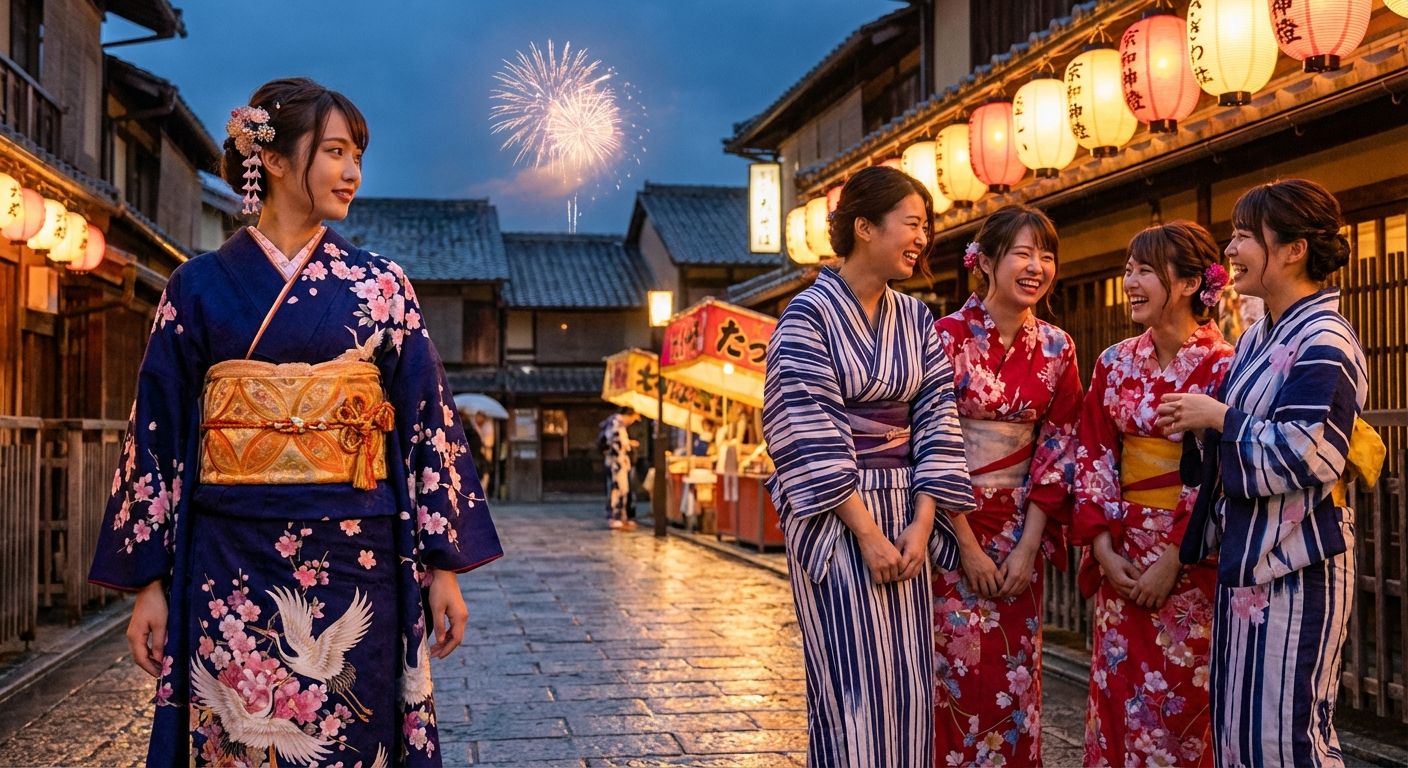
Kimono vs Yukata: Understanding Their Meaning in Japanese Culture

This article explores the roles of the kimono and yukata within Japanese culture, clarifying their historical origins, symbolic meanings, and social uses. Designed for students, travelers and enthusiasts, it highlights differences in materials, occasions, and etiquette to help readers appreciate these iconic garments.

Practical tips for wearing, caring and observing kimono and yukata traditions are included, along with links to trusted resources for deeper study.

AsiaCultureFood & DrinkZH-R

Thousand-year Egg (Pidan): History, Preparation, Tasting Notes and Traditional Recipes

The thousand-year egg (also called pidan or century egg) is a preserved Chinese delicacy with a rich history and unique sensory profile. This article explores its origins, traditional and modern preparation methods, tasting notes, cultural curiosities and several classic recipes to try at home. Ideal for culinary students, chefs and food enthusiasts seeking a reliable, in-depth guide on this exotic ingredient.