
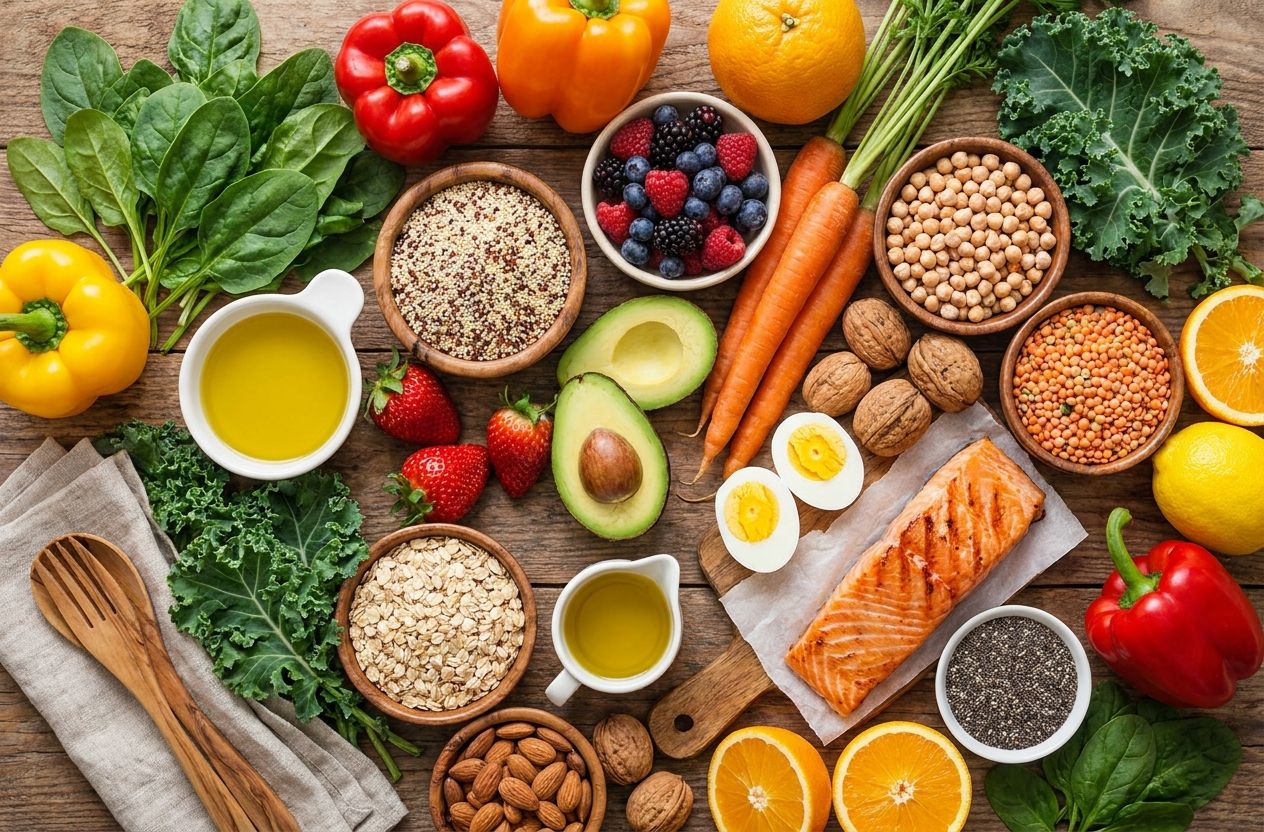
Healthy foods provide essential nutrients, support longevity, and improve daily performance. In the next sections you’ll find a carefully selected list of 100 nutrient-dense foods, each with its main nutrients, evidence-based benefits, and easy ways to consume them. This guide is designed for people seeking better nutrition, weight management, improved athletic performance, and overall wellbeing.
How to use this list
This list is organized by food groups to help you mix and match for balanced meals. Aim for variety: rotating foods increases micronutrient coverage and supports gut health. For reliable dietary recommendations, consult sources such as the Harvard T.H. Chan School of Public Health and the World Health Organization.
Vegetables (1–20)
- Spinach: High in vitamins A, C, K, folate, iron and nitrates. Benefits: supports eye health, blood pressure control. How to include: salads, smoothies, sautéed.
- Kale: Rich in vitamins A, C, K, calcium and antioxidants. Benefits: anti-inflammatory, bone support. How to include: salads, soups, chips.
- Broccoli: High in vitamin C, K, fiber, sulforaphane. Benefits: supports detox pathways and may reduce cancer risk. How to include: steamed, roasted, added to stir-fries.
- Brussels sprouts: Vitamin K, C, fiber, glucosinolates. Benefits: digestive health and antioxidant support. How to include: roasted, sautéed with garlic.
- Carrots: Beta-carotene (vitamin A), fiber. Benefits: eye health and immune support. How to include: raw sticks, roasted, pureed in soups.
- Sweet potatoes: Beta-carotene, vitamin C, potassium, fiber. Benefits: stable energy, antioxidant protection. How to include: baked, mashed, in stews.
- Bell peppers: Vitamin C, antioxidants, fiber. Benefits: immune support and skin health. How to include: raw in salads, roasted, stuffed.
- Tomatoes: Lycopene, vitamin C, potassium. Benefits: heart health and cancer risk reduction. How to include: sauces, salads, roasted.
- Asparagus: Folate, vitamins A, C, K. Benefits: supports digestion and pregnancy nutrition. How to include: grilled, steamed, in omelets.
- Cauliflower: Vitamin C, fiber, choline. Benefits: versatile low-carb base (rice, mash) and liver health support. How to include: roasted, riced, in soups.
- Beets: Nitrates, folate, fiber. Benefits: improved blood flow and exercise performance. How to include: roasted, in salads, as juice.
- Garlic: Allicin, sulfur compounds. Benefits: antimicrobial, heart health support. How to include: flavoring for almost any savory dish.
- Onions: Quercetin, sulfur compounds. Benefits: anti-inflammatory and antioxidant effects. How to include: raw, caramelized, in stocks.
- Swiss chard: Vitamins A, K, magnesium, potassium. Benefits: bone and muscle support. How to include: steamed, sautéed with olive oil.
- Collard greens: Vitamin K, calcium, fiber. Benefits: bone health and detox support. How to include: braised, in wraps.
- Arugula: Vitamin K, nitrates, antioxidants. Benefits: cardiovascular and cognitive benefits. How to include: salads, on pizza.
- Eggplant: Fiber, anthocyanins. Benefits: heart health and satiety. How to include: grilled, in stews, baked dishes.
- Zucchini: Low-calorie, vitamin C, fiber. Benefits: volume eating and digestion. How to include: grilled, spiralized, in soups.
- Mushrooms (e.g., shiitake, cremini): B-vitamins, selenium, ergothioneine. Benefits: immune modulation, antioxidant support. How to include: sautés, soups, as meat substitute.
- Seaweed (nori, wakame): Iodine, magnesium, fiber. Benefits: thyroid support and gut health. How to include: sushi, salads, miso soup.
Fruits (21–40)
- Berries (blueberries, strawberries, raspberries): Vitamin C, fiber, polyphenols. Benefits: cognitive protection and antioxidant effects. How to include: yogurt, smoothies, oatmeal.
- Apples: Fiber (pectin), vitamin C. Benefits: satiety and gut microbiome support. How to include: raw, baked, in salads.
- Bananas: Potassium, vitamin B6, carbohydrates. Benefits: energy and muscle function. How to include: snacks, smoothies, pre-workout fuel.
- Oranges: Vitamin C, fiber, folate. Benefits: immune and skin health. How to include: whole fruit, juice in moderation.
- Avocado: Healthy monounsaturated fats, potassium, fiber. Benefits: heart health, nutrient absorption. How to include: toast, salads, smoothies.
- Grapes: Resveratrol, vitamin C. Benefits: heart health and antioxidant protection. How to include: snacks, frozen as an ice treat.
- Cherries: Anthocyanins, melatonin precursors. Benefits: anti-inflammatory and sleep support. How to include: snacks, smoothies, compotes.
- Pineapple: Vitamin C, bromelain. Benefits: digestion and anti-inflammatory support. How to include: grilled, in salsas, smoothies.
- Mango: Vitamin A, vitamin C, fiber. Benefits: immune support and digestion. How to include: fresh slices, smoothies, salsas.
- Papaya: Papain, vitamin C. Benefits: digestion and skin health. How to include: fresh, in smoothies, as a side dish.
- Kiwifruit: Vitamin C, fiber, potassium. Benefits: digestive regularity and immune function. How to include: fresh, in fruit salads.
- Pomegranate: Punicalagins, vitamin C. Benefits: strong antioxidants and heart health. How to include: seeds on salads or yogurt.
- Plums and prunes: Fiber, vitamin K. Benefits: bowel regularity and bone health. How to include: snacks, stewed in compotes.
- Peaches and nectarines: Vitamins A/C, fiber. Benefits: hydration and antioxidant intake. How to include: fresh, grilled, in salads.
- Grapefruit: Vitamin C, naringenin. Benefits: may aid weight loss and metabolic health (check medication interactions). How to include: half fruit, in salads.
- Guava: Very high in vitamin C, fiber. Benefits: immune and digestive health. How to include: fresh, in smoothies.
- Dates: Fiber, potassium, natural sweetness. Benefits: energy, fiber support. How to include: snacks, natural sweetener in recipes.
- Cranberries: Proanthocyanidins. Benefits: urinary tract health. How to include: dried (in moderation), sauces, juices without added sugar.
- Blackberries: Fiber, vitamin C, anthocyanins. Benefits: antioxidant and gut health. How to include: in desserts, breakfasts.
- Lychee: Vitamin C and B6. Benefits: immune support and hydration. How to include: fresh fruit or in salads.
Whole Grains and Cereals (41–55)
- Oats: Beta-glucan fiber, magnesium. Benefits: cholesterol lowering and sustained energy. How to include: porridge, overnight oats, baking.
- Quinoa: Complete plant protein, fiber, magnesium. Benefits: supports muscle repair and blood sugar control. How to include: salads, bowls, as rice substitute.
- Brown rice: Fiber, manganese, selenium. Benefits: steady energy and digestion. How to include: bowls, stir-fries.
- Barley: Soluble fiber (beta-glucans). Benefits: cholesterol reduction and satiety. How to include: soups, salads, risottos.
- Bulgur: Whole wheat, fiber, B vitamins. Benefits: quick-cooking whole-grain option. How to include: tabbouleh, pilafs.
- Farro: Ancient grain, protein, fiber. Benefits: heart health and digestion. How to include: salads, soups, side dishes.
- Millet: Gluten-free grain, magnesium. Benefits: energy and mineral support. How to include: porridge, pilafs.
- Whole wheat pasta: Fiber, protein (compared to refined pasta). Benefits: satiety and better blood sugar control. How to include: pasta dishes with vegetables and lean protein.
- Amaranth: Protein, lysine, fiber. Benefits: plant-based amino acids and minerals. How to include: porridges, baking, as side dish.
- Rye: High-fiber bread option. Benefits: improved glycemic response and satiety. How to include: rye or multigrain bread slices.
- Teff: Iron, calcium, protein. Benefits: mineral-rich and great for gluten-free diets. How to include: porridge, injera alternatives.
- Corn (whole): Fiber, lutein. Benefits: eye health and energy. How to include: grilled corn, polenta, salads.
- Sorghum: Gluten-free grain, antioxidants. Benefits: whole-grain benefits for gut and heart. How to include: pilafs, porridges.
- Couscous (whole grain): Fiber and quick-cooking grain. Benefits: versatile base for bowls. How to include: salads and sides.
- Whole grain oats (steel-cut): Less processed oats. Benefits: lower glycemic impact. How to include: cooked porridge.
Legumes and Pulses (56–70)
- Lentils: Protein, fiber, folate, iron. Benefits: blood sugar control and muscle maintenance. How to include: soups, stews, salads.
- Chickpeas: Protein, fiber, manganese. Benefits: satiety and heart health. How to include: hummus, salads, roasted snacks.
- Black beans: Fiber, protein, antioxidants. Benefits: gut health and sustained energy. How to include: burritos, salads, soups.
- Kidney beans: Protein, fiber, iron. Benefits: heart health and blood sugar control. How to include: stews, chili.
- Peas: Protein, vitamin K, fiber. Benefits: muscle and bone support. How to include: soups, sides, purees.
- Pinto beans: Fiber and protein. Benefits: satiety and gut health. How to include: refried, salads, stews.
- Edamame: Young soybeans, complete protein, fiber. Benefits: muscle support and isoflavones. How to include: steamed snack, in salads.
- Split peas: High fiber and protein. Benefits: digestive health and prolonged fullness. How to include: soups and purees.
- Mung beans: Protein, folate. Benefits: traditional digestive and metabolic support. How to include: sprouts, curries.
- Black-eyed peas: Fiber, potassium. Benefits: immune and cardiovascular support. How to include: salads, stews.
- Fava beans: Protein, fiber, folate. Benefits: heart and brain health. How to include: purees, mixed dishes.
- Adzuki beans: Fiber, antioxidants. Benefits: digestive support and nutrient density. How to include: sweet and savory dishes.
- Lupin beans: High protein legume (in some regions). Benefits: great plant protein alternative. How to include: pickled, flours, snacks.
- Tempeh: Fermented soy, complete plant protein, probiotics. Benefits: gut health and muscle support. How to include: stir-fries, sandwiches.
- Tofu: Soy protein, calcium (if fortified). Benefits: lean protein and versatile cooking. How to include: grills, soups, scrambles.
Nuts, Seeds, and Healthy Fats (71–85)
- Almonds: Vitamin E, healthy fats, magnesium. Benefits: heart health and satiety. How to include: snacks, nut butters, salad toppings.
- Walnuts: Omega-3 (ALA), antioxidants. Benefits: brain health and anti-inflammatory effects. How to include: snacks, baking, salads.
- Chia seeds: Omega-3, fiber, calcium. Benefits: gut health and sustained fullness. How to include: puddings, smoothies, sprinkled on cereals.
- Flaxseeds: ALA omega-3, lignans, fiber. Benefits: heart health and hormone balance. How to include: ground in smoothies, baking.
- Pistachios: Protein, healthy fats, potassium. Benefits: weight management and heart health. How to include: snacks, salads.
- Cashews: Magnesium, iron. Benefits: energy metabolism and bone health. How to include: sauces, snacks, nut-based creams.
- Brazil nuts: Selenium (very high). Benefits: thyroid and antioxidant defense. How to include: eat 1–2 nuts daily for selenium needs.
- Hazelnuts: Healthy fats, vitamin E. Benefits: heart and skin health. How to include: snacks, spreads.
- Pumpkin seeds: Magnesium, zinc, healthy fats. Benefits: prostate health, sleep support. How to include: roasted snacks, salads.
- Sunflower seeds: Vitamin E, selenium. Benefits: antioxidant protection. How to include: sprinkled on salads, baking.
- Sesame seeds: Calcium, copper, healthy fats. Benefits: bone and skin health. How to include: tahini, dressings, sprinkled on bread.
- Hemp seeds: Complete protein, omega-3/6 ratio. Benefits: muscle repair and anti-inflammatory balance. How to include: smoothies, cereals, salads.
- Olive oil (extra virgin): Monounsaturated fats, polyphenols. Benefits: heart health and anti-inflammatory effects. How to include: dressings, finishing oil for cooked dishes.
- Avocado oil: Monounsaturated fats, high smoke point. Benefits: versatile cooking fat that supports heart health. How to include: cooking, dressings.
- Coconut oil (use sparingly): Medium-chain triglycerides. Benefits: quick energy source; use in moderation. How to include: baking, sautéing at medium heat.
Fish, Poultry, and Lean Proteins (86–95)
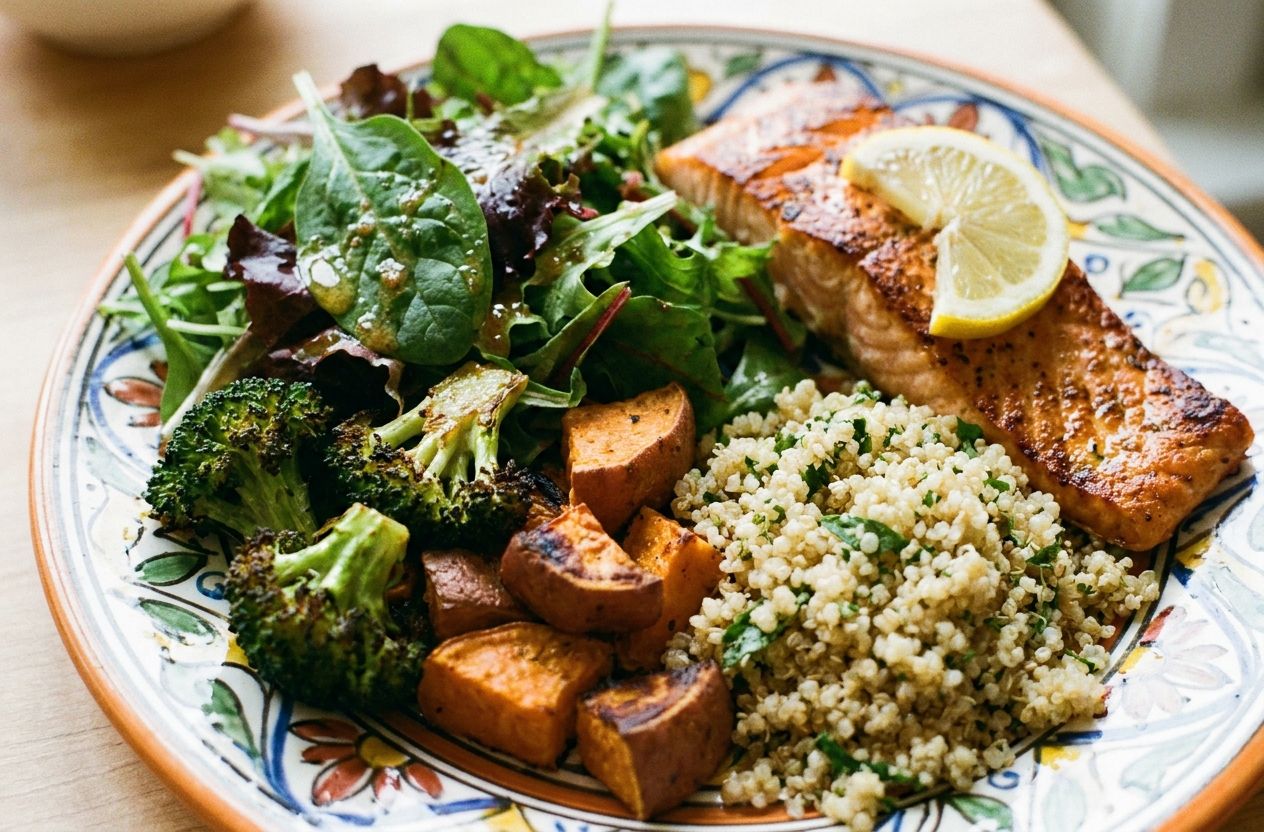
- Salmon: Omega-3 EPA/DHA, high-quality protein, vitamin D. Benefits: heart and brain health. How to include: grilled, baked, in salads.
- Sardines: Omega-3, calcium (with bones), vitamin D. Benefits: affordable nutrient-dense seafood. How to include: on toast, in salads.
- Mackerel: High in omega-3s and protein. Benefits: cardiovascular and anti-inflammatory effects. How to include: grilled or canned in salads.
- Tuna (preferably skipjack or light): Lean protein, omega-3. Benefits: muscle maintenance and heart support. How to include: salads, sandwiches (monitor mercury in large species).
- Trout: Omega-3s, protein, B vitamins. Benefits: heart and brain support. How to include: baked, grilled.
- Chicken breast: Lean protein, B vitamins. Benefits: muscle repair and low-fat protein option. How to include: grilled, baked, in salads.
- Turkey: Lean protein, tryptophan. Benefits: satiety and muscle support. How to include: roasted, lean mince in recipes.
- Lean beef (in moderation): Iron, B12, high-quality protein. Benefits: anemia prevention and muscle support. How to include: lean cuts, portion control, grass-fed when possible.
- Eggs: Complete protein, choline, B vitamins. Benefits: muscle repair, brain health and versatile cooking. How to include: boiled, scrambled, poached.
- Greek yogurt: Protein, probiotics (if live cultures), calcium. Benefits: gut health and satiety. How to include: breakfasts, dressings, as a snack.
Herbs, Spices and Functional Foods (96–100)
- Turmeric: Curcumin with anti-inflammatory properties. Benefits: joint and metabolic health support. How to include: golden milk, curries, smoothies (with black pepper to increase absorption).
- Ginger: Gingerols with digestive and anti-inflammatory effects. Benefits: nausea relief and digestion. How to include: tea, stir-fries, marinades.
- Cinnamon: Polyphenols with potential blood sugar benefits. Benefits: flavoring and metabolic support. How to include: sprinkled on oats, in baking.
- Green tea: Catechins (EGCG), mild caffeine. Benefits: fat oxidation, antioxidant protection. How to include: brewed tea, matcha in smoothies.
- Dark chocolate (70% cacao or higher): Flavonoids, magnesium. Benefits: heart health and mood (in moderation). How to include: small portions as a treat.
Practical tips to include more healthy foods
- Plan variety: rotate vegetables, fruits, proteins and whole grains weekly.
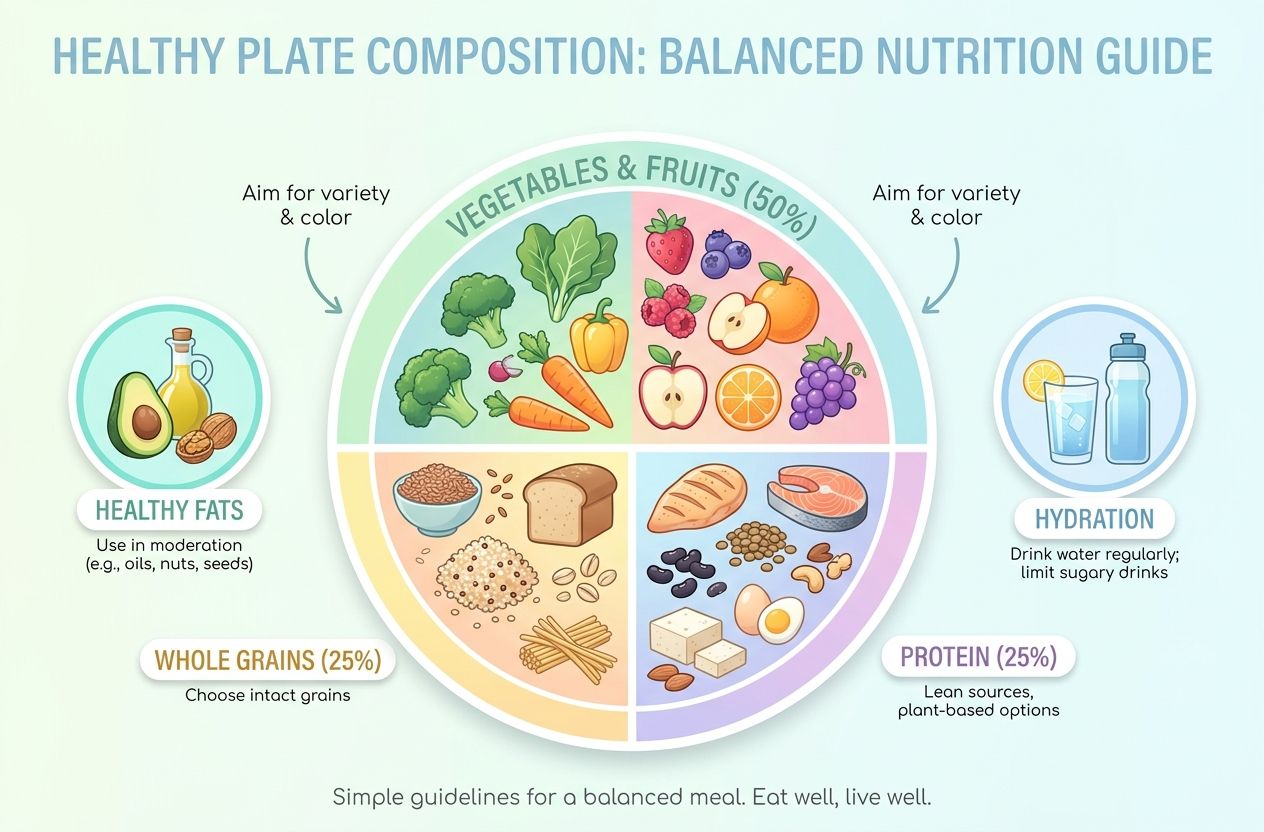
- Plate composition: aim for half vegetables and fruits, one quarter lean protein, one quarter whole grains or starchy vegetables.
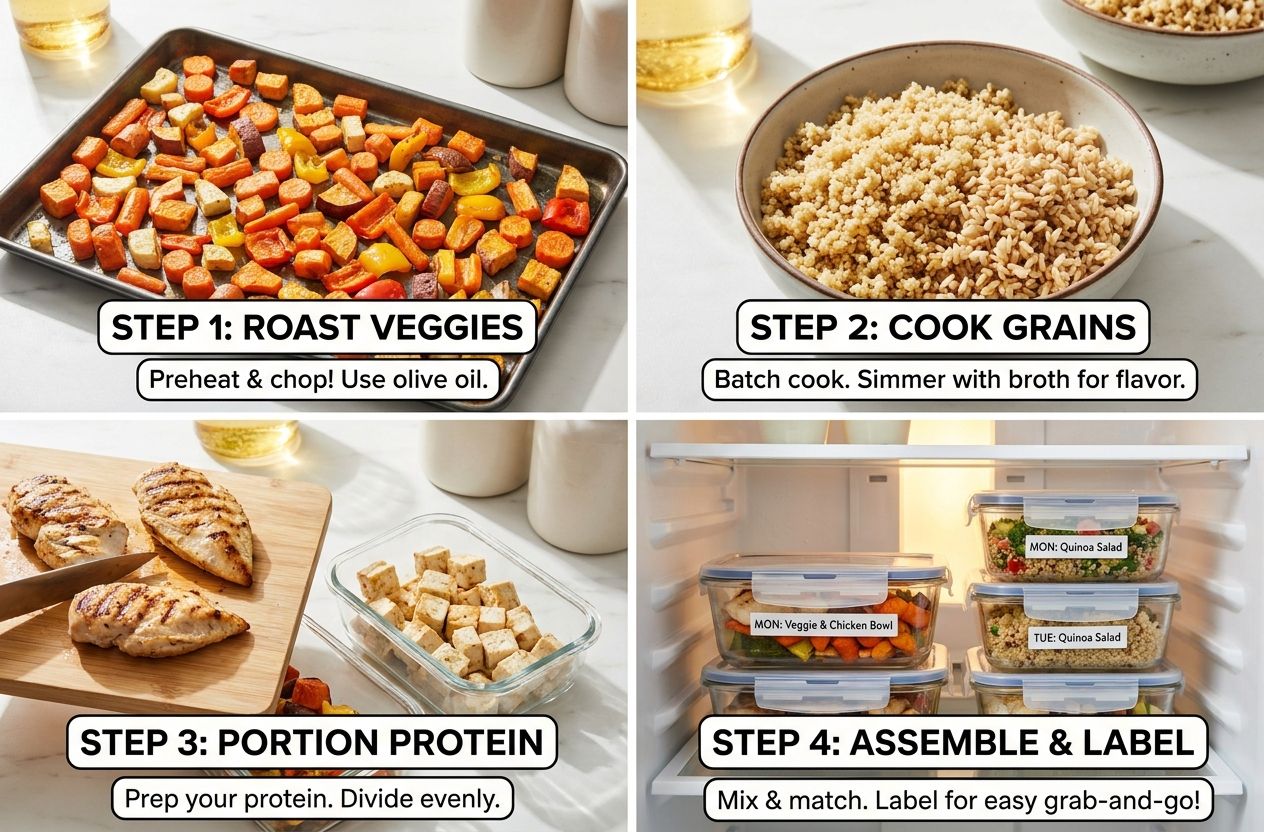
- Meal prep: cook grains, roast vegetables, and store legumes for quick use.
- Snack smarter: combine protein and fiber (e.g., yogurt + berries, apple + almond butter).
- Flavor without excess salt: use herbs, spices, lemon and vinegars.
- Hydration: prioritize water and unsweetened beverages (green tea, infused water).
Evidence and sources
Many entries above are supported by peer-reviewed nutrition science. For general dietary patterns and disease prevention see resources from Harvard Healthy Eating Plate, the WHO on diet and health, and the British Nutrition Foundation. For specific food-nutrient data consult the USDA FoodData Central.
Frequently asked questions
1. Are all these foods suitable for weight loss?
Many healthy foods listed are high in fiber, protein or volume (low energy density) which supports satiety and weight loss when used in a calorie-controlled plan. Focus on portion control and overall dietary pattern.
2. How often should I eat fish?
Most guidelines recommend at least two servings of fatty fish per week for omega-3 benefits, adjusting for local advisories on mercury.
3. Can I get all nutrients from plant-based foods?
With planning, a plant-based diet can provide most nutrients. Pay attention to vitamin B12, vitamin D, omega-3 (EPA/DHA) and iron — supplements or fortified foods may be necessary.
Final thoughts
This Top 100 list presents a wide range of healthy foods to help you design varied, nutrient-dense meals. Prioritize whole foods, minimize ultra-processed items, and tailor choices to personal preferences and health needs. Use this guide as a reference for creating balanced meals that support long-term wellbeing.
Author’s note: If you have specific medical conditions or dietary restrictions, consult a registered dietitian or healthcare provider before making major changes.