
AsiaCultureHistory

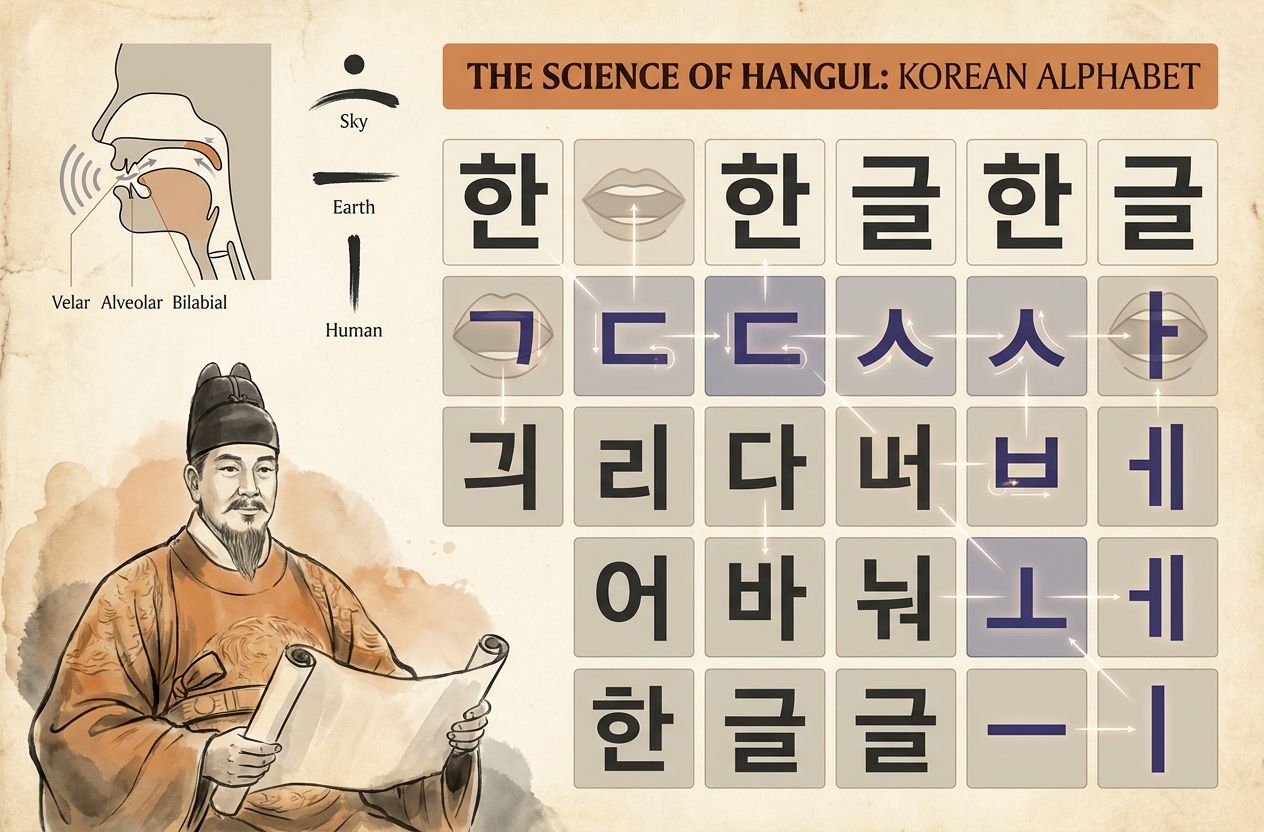
Korean Alphabet (Hangul): The Script That Revolutionized Communication

The Korean alphabet, known as Hangul, was deliberately created to make literacy accessible to all Koreans. This article explains its origin, unique structure, and profound social impact, showing how Hangul simplified reading and writing and transformed communication across centuries.

Readers will gain historical context, a breakdown of letters and syllable blocks, practical learning tips, and resources for further study.

AsiaCultureZH-L

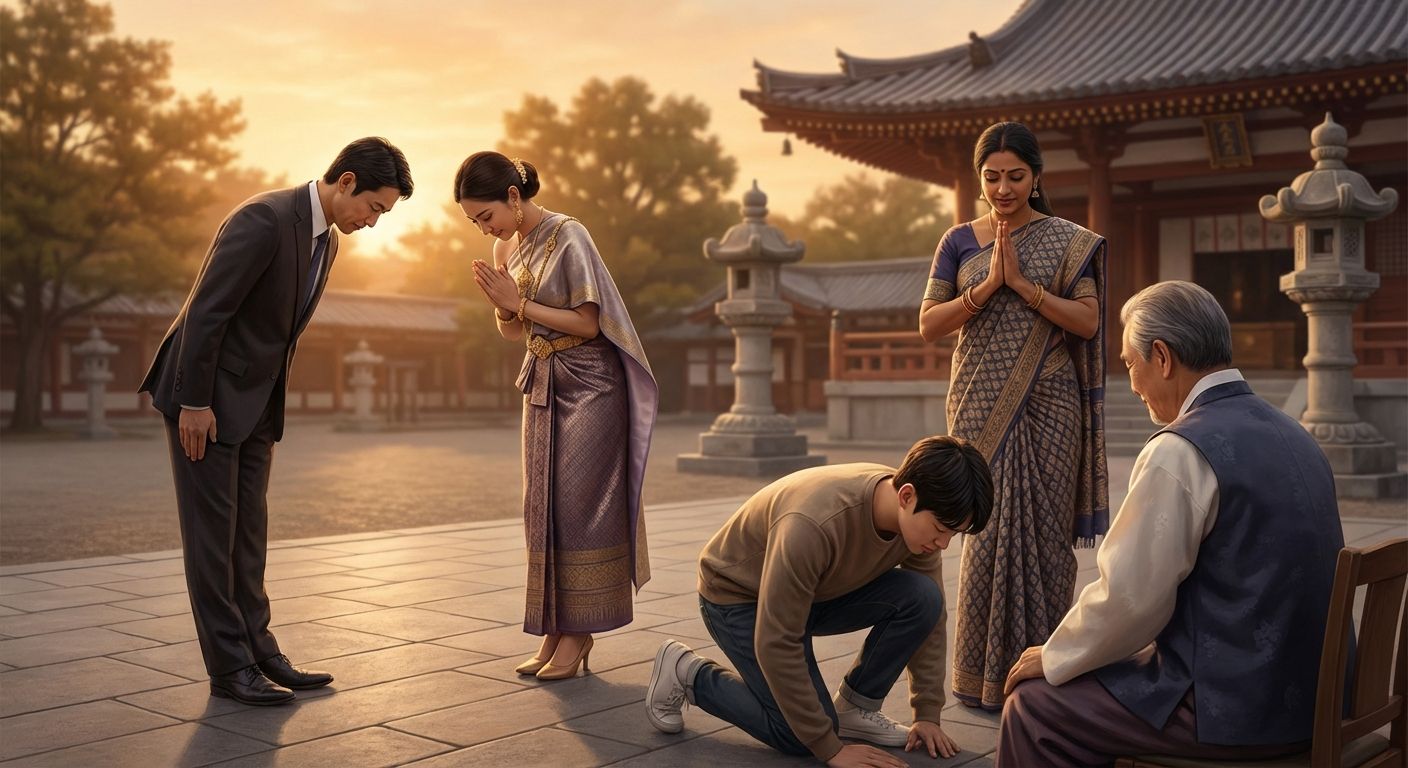
The Meaning of Namaste: Cultural and Spiritual Significance in India

This article explores the meaning of Namaste, tracing its etymology, cultural origins, and spiritual dimensions in India. It clarifies how the greeting functions in everyday life, religious practice and modern yoga culture, and addresses common misconceptions. Read on for historical context, practical etiquette, and the deeper philosophical resonance of this simple but profound salutation.

AsiaCultureHistorySport

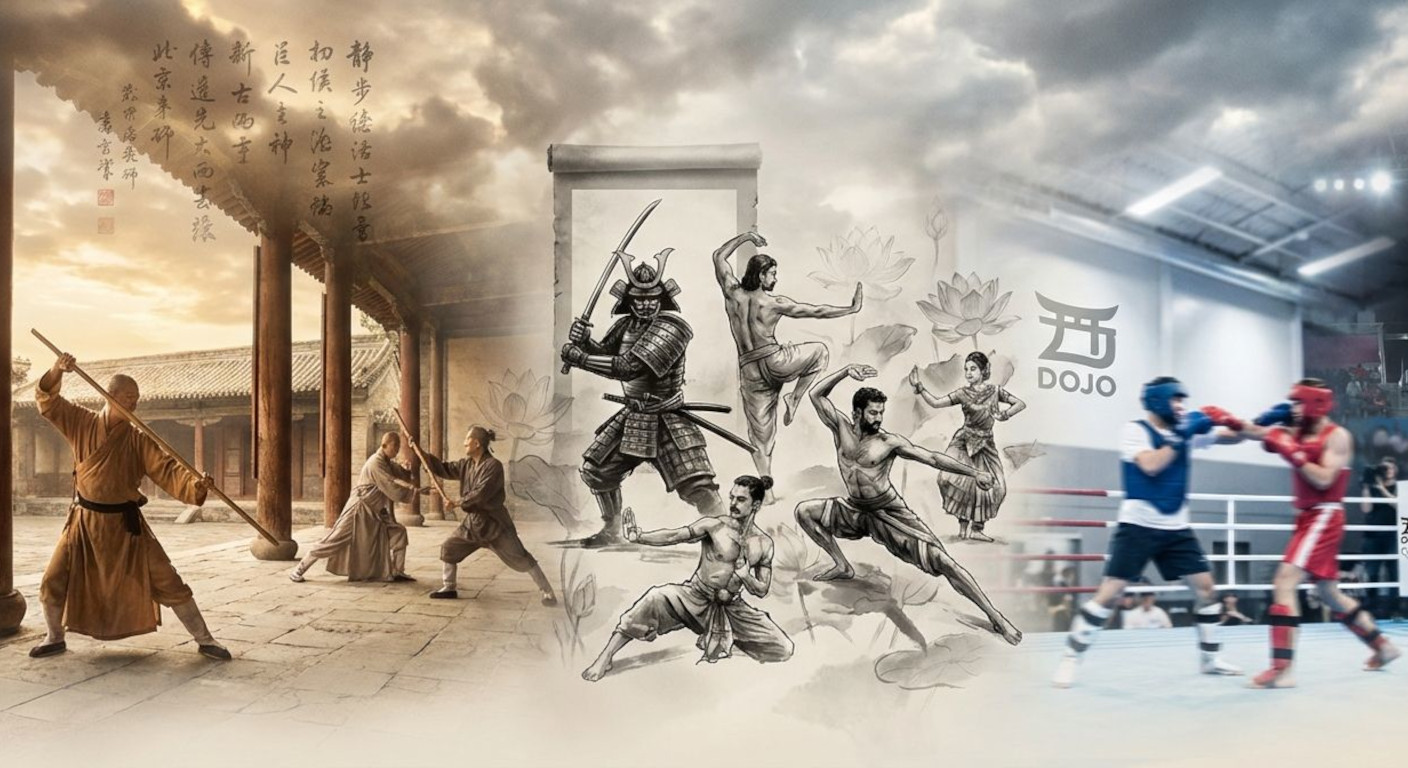
The Evolution of Martial Arts in Asia: From Ancient Origins to Modern Practice

This article traces the long and dynamic journey of martial arts across Asia, from ritualized combat and regional warrior traditions to contemporary competitive sports and cultural practices. It highlights key systems such as kung fu, taekwondo, kalaripayattu, judo, and karate, and explains how history, philosophy, and globalization reshaped their techniques and meanings.

Readers will gain a clear, concise overview designed for both historical context and practical insight into training, modern adaptation, and cultural relevance.

AsiaCultureHistory

History of the Samurai: Beyond Warriors — Cultural, Social & Philosophical Roles

The history of the samurai traces a complex evolution from provincial warriors to cultural icons who shaped Japan’s social structures and moral imagination. This article explores how samurai values, the bushidō code, and philosophical influences like Zen Buddhism moved them beyond mere fighters into architects of Japanese identity. Read on for an in-depth overview, key figures, and lasting legacies that still resonate in modern Japan.

AsiaCulture

Tigers in Asian Folklore: Meaning, History and Cultural Significance

Tigers in Asian folklore appear across centuries of myths, legends and visual art as powerful symbols of strength, protection and ambivalence between fear and reverence. This article explores how tigers shaped religious beliefs, village rituals, royal iconography and modern cultural identities across China, Korea, Japan, India and Southeast Asia. Expect historical context, popular stories, and examples of tiger symbolism in art and religion.