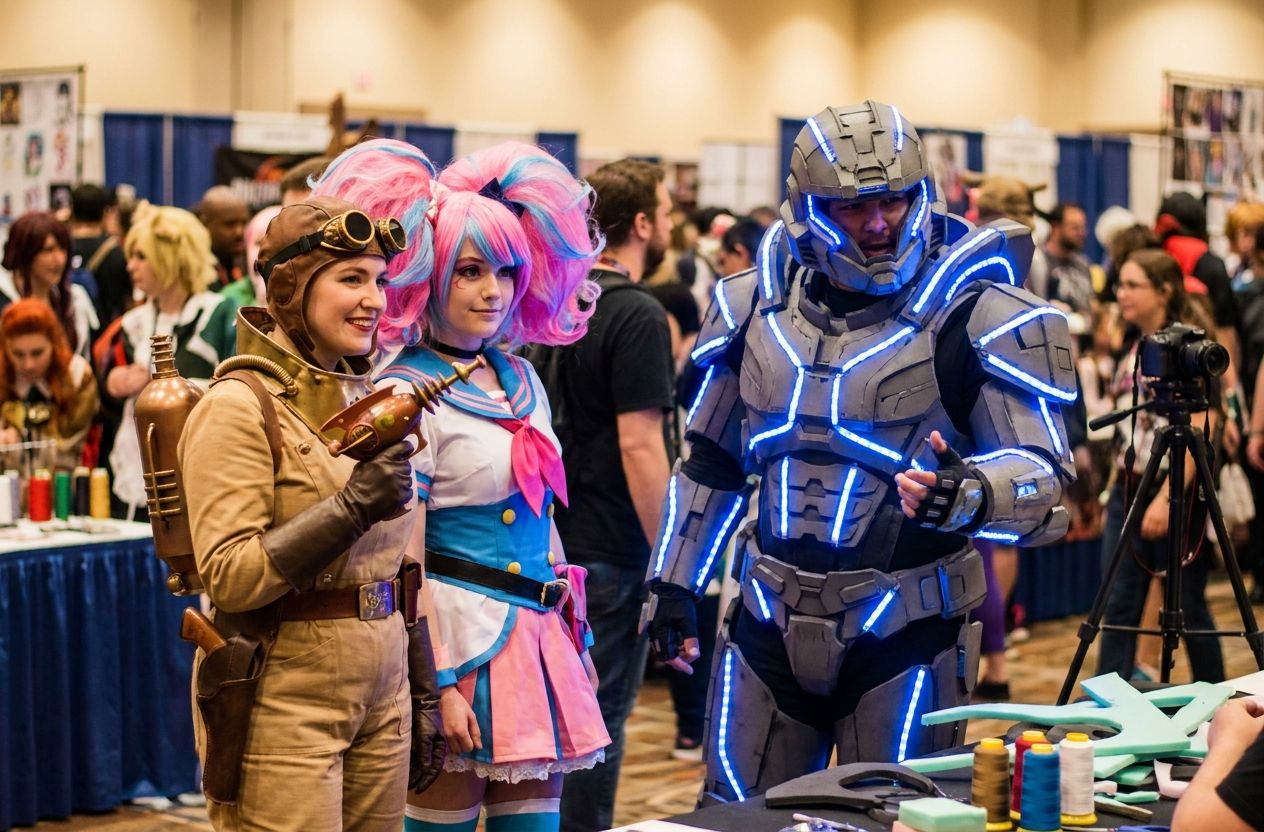
History and evolution of cosplay begins with early costumed fans and grows into an international creative culture that blends craftsmanship, performance and community. In this guide you’ll find a concise historical overview, actionable tips for creating characters and costumes, event etiquette, and insights into cosplay’s cultural significance.
Why the history matters?
Understanding the history and evolution of cosplay helps cosplayers—beginners and veterans alike—appreciate traditions, adapt techniques and innovate responsibly. From the first masked attendees at early science‑fiction gatherings to the rise of anime conventions in Japan and the worldwide cosplay scene, the movement reflects shifting trends in fandom, technology and identity.
Origins and early milestones
Costumed fandom predates the modern term “cosplay.” Notable milestones include:
- 1939–1940: Early examples of fans wearing costumes to conventions—Forrest J. Ackerman and Myrtle R. Douglas (“Morojo”) are often cited among the first public convention costumers in the United States.
- 1970s (Japan): Japanese fans began dressing as popular manga and anime characters at hobbyist events and gatherings, building a distinct style of fan costuming.
- 1984: The term “cosplay” was coined by Nobuyuki Takahashi after attending the 1984 World Science Fiction Convention (Worldcon). He combined “costume” and “play” to describe the hobby, and Japanese fans adopted and popularized the term.
For an accessible overview, see the Cosplay entry on Wikipedia and historical notes on early sci‑fi fandom such as those in the Britannica.
How cosplay evolved into a global movement
Several forces fueled cosplay’s global growth:
- Media spread: The international rise of anime, manga and video games created widely recognized characters and templates for costumes.
- Conventions and contests: Gatherings like Comiket, Anime Expo and Comic‑Con provided stages and communities for cosplayers to meet, trade tips and compete.
- Internet and social media: Photo sharing, tutorials and forums made techniques and patterns widely accessible and accelerated trends.
- Materials and tools: New materials (EVA foam, thermoplastics, Worbla), affordable wigs, and accessible sewing resources empowered makers to push technical boundaries.
Key periods in the development of cosplay
Pre‑1980s: Roots in masquerade culture and fan costuming
Costuming has theatrical roots—masquerades, pageants and fan masquerade contests at sci‑fi conventions set social precedents. Early costumers often sewed bespoke garments or repurposed clothing from theatrical suppliers.
1980s–1990s: Term adoption and community growth in Japan
After the adoption of the term “cosplay,” Japanese hobbyist magazines, doujin events and school clubs helped consolidate techniques. Cosplayers began specializing in characterization—portraying not just the look but the persona of characters.
2000s–present: Globalization and professionalization
Social platforms like Flickr, YouTube and later Instagram and TikTok transformed cosplay into both a visual art and a performance practice. Professional cosplayers, commissions, and cosplay-focused businesses emerged, alongside discussions about accessibility, inclusivity and commercialization.
Practical tips for beginners
Starting a cosplay can be exciting and overwhelming. Follow these practical steps:
- Choose a character: Pick someone you love and can commit time to. Consider complexity, recognizable features, and the amount of sewing or prop work required.
- Research references: Gather multiple reference images (front, back, close‑ups). Use in‑game models, animation stills, official art and cosplay galleries.
- Plan a timeline: Allocate time for patterning, trial fittings, wig styling and props. Start at least 6–8 weeks before a big event for medium complexity projects.
- Budget realistically: List materials (fabric, foam, adhesives, electronics) and expected tools; always add a contingency of 10–20%.
- Skill layering: Learn one technique at a time—basic sewing, pattern alteration, foam armor forming—then combine them in future builds.
Advanced techniques and materials
As cosplay evolved, makers adopted specialized materials and methods. Consider these modern techniques:
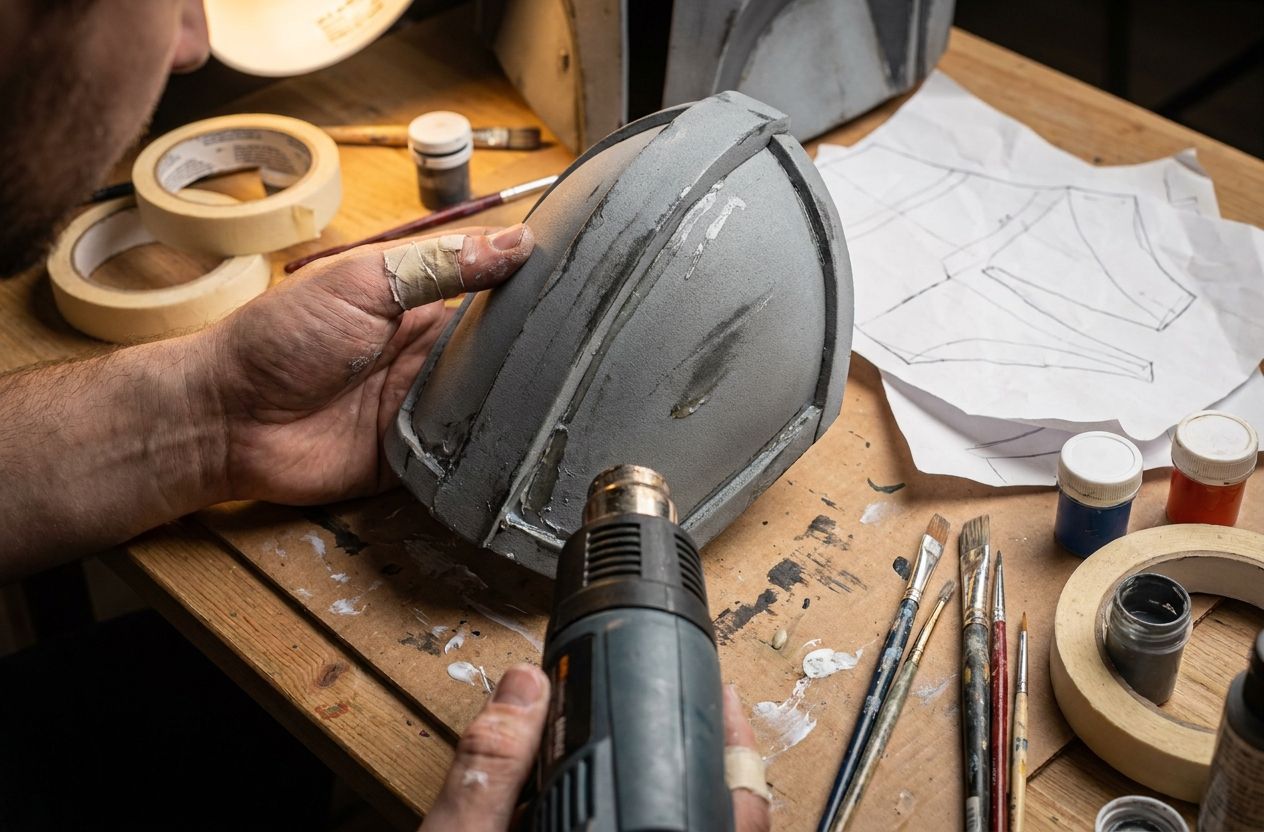
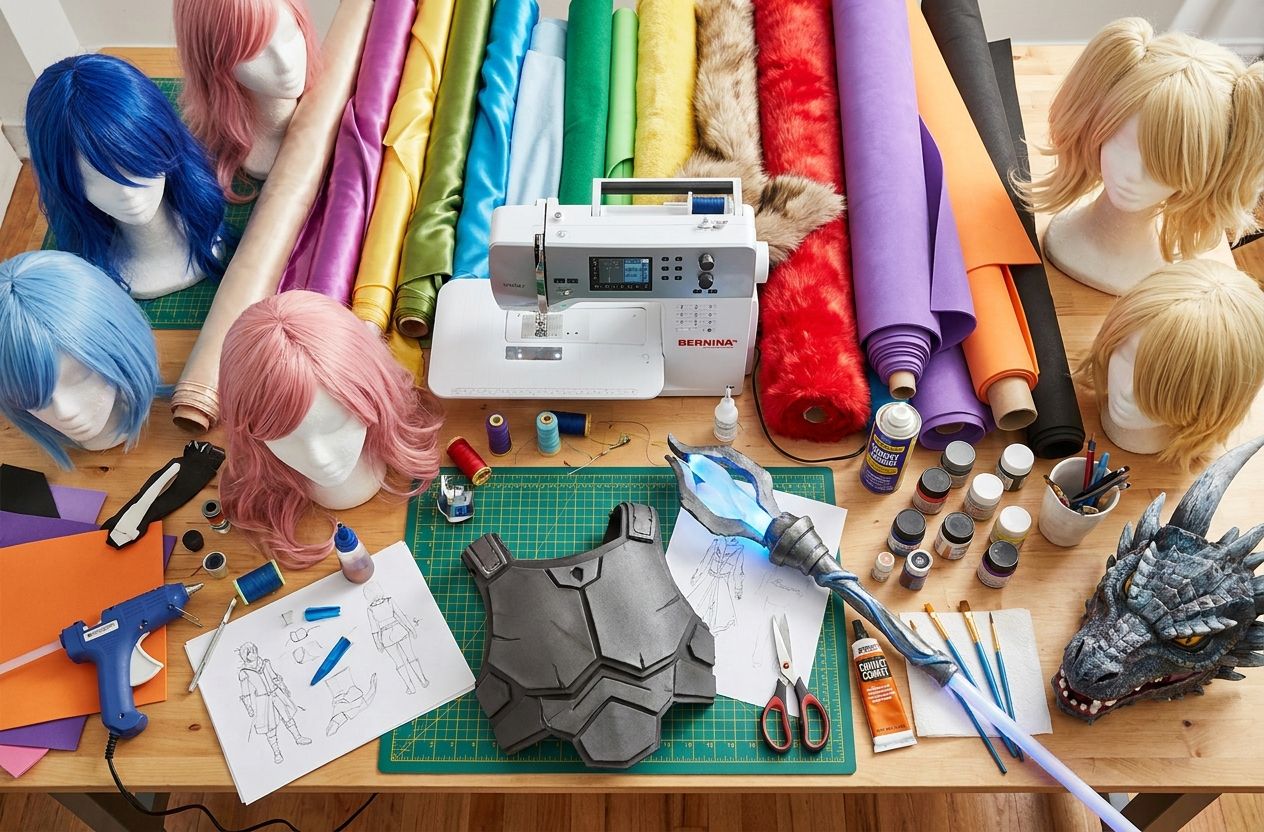
- EVA foam and Worbla for lightweight armor and sculpted details. Use heat guns, contact cement and sealing (Plasti Dip or PVA) before painting.
- 3D printing for complex props and elements with consistent repeatability.
- LEDs and wearable electronics to add effects—control brightness with small microcontrollers like Arduino Nano or Adafruit Trinket.
- Wig styling: Invest in a quality heat‑resistant wig, use a wig head, pins and appropriate products for spikes and shape retention.
- Makeup and prosthetics to match facial features and character traits, using skin‑safe adhesives and cosmetic prosthetic materials when needed.
Costume construction workflow (step‑by‑step)
- Reference and breakdown: Deconstruct the design—separating clothing, armor, accessories and props.
- Patterns and fittings: Draft or adapt patterns; make a muslin or test fit to refine sizing.
- Core sewing: Construct base garments—linings, hems and closures come first for comfort and durability.
- Armor/prop fabrication: Shape foam or thermoplastic components, prime and paint in stages for a durable finish.
- Detailing and weathering: Add trims, decals, stitches, and weathering to convey realism.
- Final assembly and test: Wear full costume, check movement, ventilation, and repair pressure points.
Participating in events and contests
Events vary from casual meetups to formal masquerade contests. Best practices:
- Read event rules: Safety rules for props, weapon replicas, and fire effects are strict—always comply.
- Respect others’ boundaries: Ask before photographing intimate or vulnerable cosplays and sanitize shared props.
- Stage presence: If entering a contest, craft a short routine that showcases your costume’s strengths—choreography, quick‑change elements and storytelling score points.
- Networking: Use conventions to learn—join panels, workshops and maker spaces to improve your craft.
Photography and posing
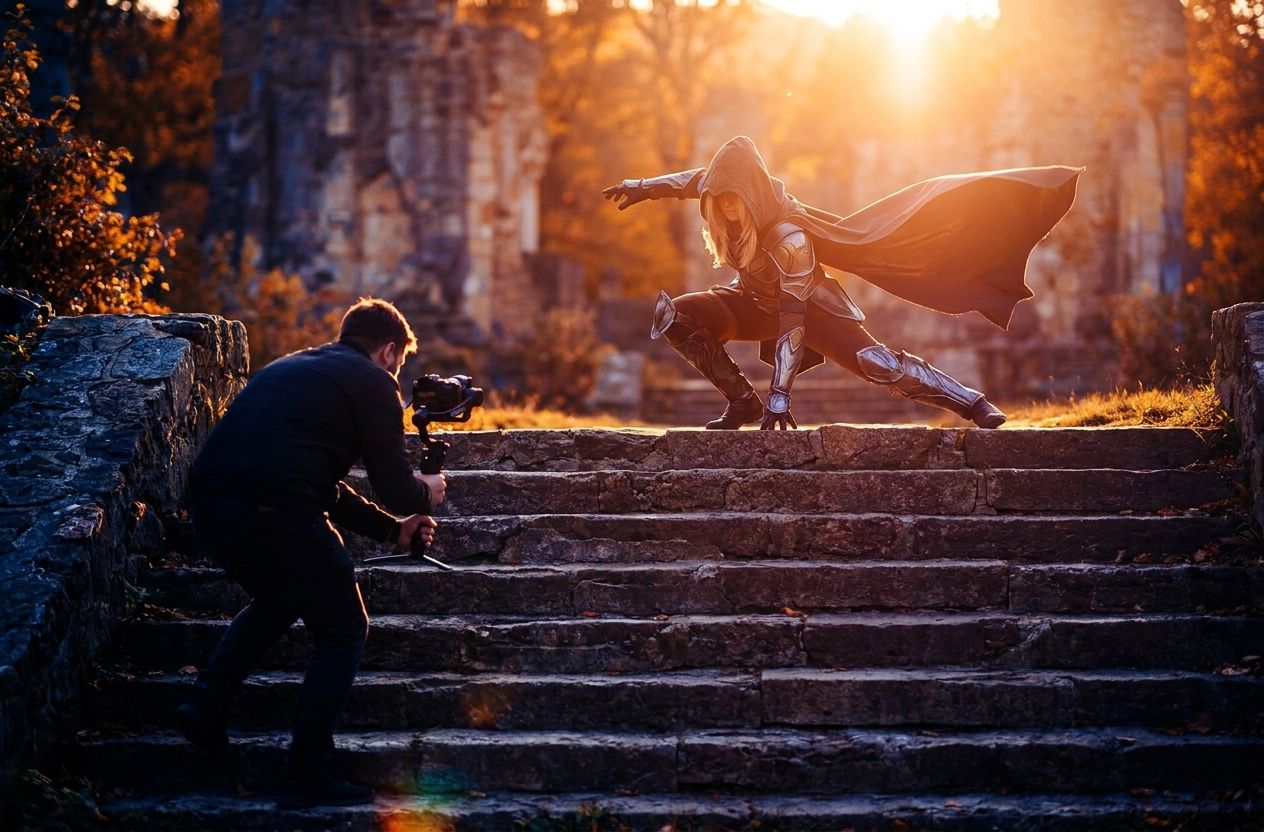
Cosplay photography has become an art. Tips for compelling images:
- Work with photographers: Share references and desired mood. Choose locations that complement the character.
- Practice poses: Study character expressions and body language—dynamic poses read well in photos.
- Lighting and post‑processing: Soft natural light is flattering; subtle color grading can enhance a scene without overediting.
Cultural impact and community values
Cosplay’s evolution reflects broader cultural trends. Important themes include:
- Self‑expression and identity: Cosplay can be a way to explore gender, performance and creativity.
- Community and mentorship: Local groups, online tutorials and maker spaces transmit skills across generations.
- Inclusivity and accessibility: Modern conversations push for safer, more welcoming spaces for cosplayers of all sizes, abilities and backgrounds.
For further reading on cosplay’s cultural role, see articles from established outlets such as the Smithsonian Magazine and coverage from major conventions like Comic‑Con International.
Ethics, copyright and commissions
Cosplayers should be mindful of intellectual property and fair use, especially when selling prints or taking commissioned work. If you accept commissions:
- Be transparent: Provide timelines, terms and clear pricing.
- Respect IP: Selling fan art and costumes is common, but commercial use of copyrighted characters without permission may carry legal risks depending on the rights holder and jurisdiction.
Sustainability and smart practices
Consider eco‑friendly options:
- Repurpose and upcycle: Reuse old fabrics, thrifted pieces, or modify existing garments.
- Durable materials: Quality construction reduces waste from single‑use costumes.
- Responsible disposal: Donate or recycle materials you no longer need.
Checklist: What to prepare before a con
- Repair kit (glue, thread, safety pins)
- Comfort items (band‑aids, blister pads, cooling packs)
- Transport solutions (garment bags, protective cases for props)
- Identification and emergency contact info
- Backup costume pieces and adhesives
Final thoughts: The future of cosplay
The history and evolution of cosplay shows a vibrant cultural practice that keeps adapting—driven by technology, creativity and community values. Whether you’re a beginner making your first wig or an experienced maker pushing effects with 3D printing and electronics, cosplay offers endless learning opportunities and ways to connect with fellow fans.
If you’re ready to start: pick a character, make a plan, and join local or online communities to learn faster. Remember that cosplay is as much about the journey—learning, sharing and performing—as it is about the final costume.
Resources and further reading
- Cosplay — Wikipedia
- Cosplay — Britannica
- Comic‑Con International
- AnimeCons.com (convention directory)
Ready to cosplay? Use this article as a roadmap: study the history, learn core techniques, plan your builds, and contribute positively to the global cosplay community.