AsiaCultureZH-L

The Meaning of Namaste: Cultural and Spiritual Significance in India

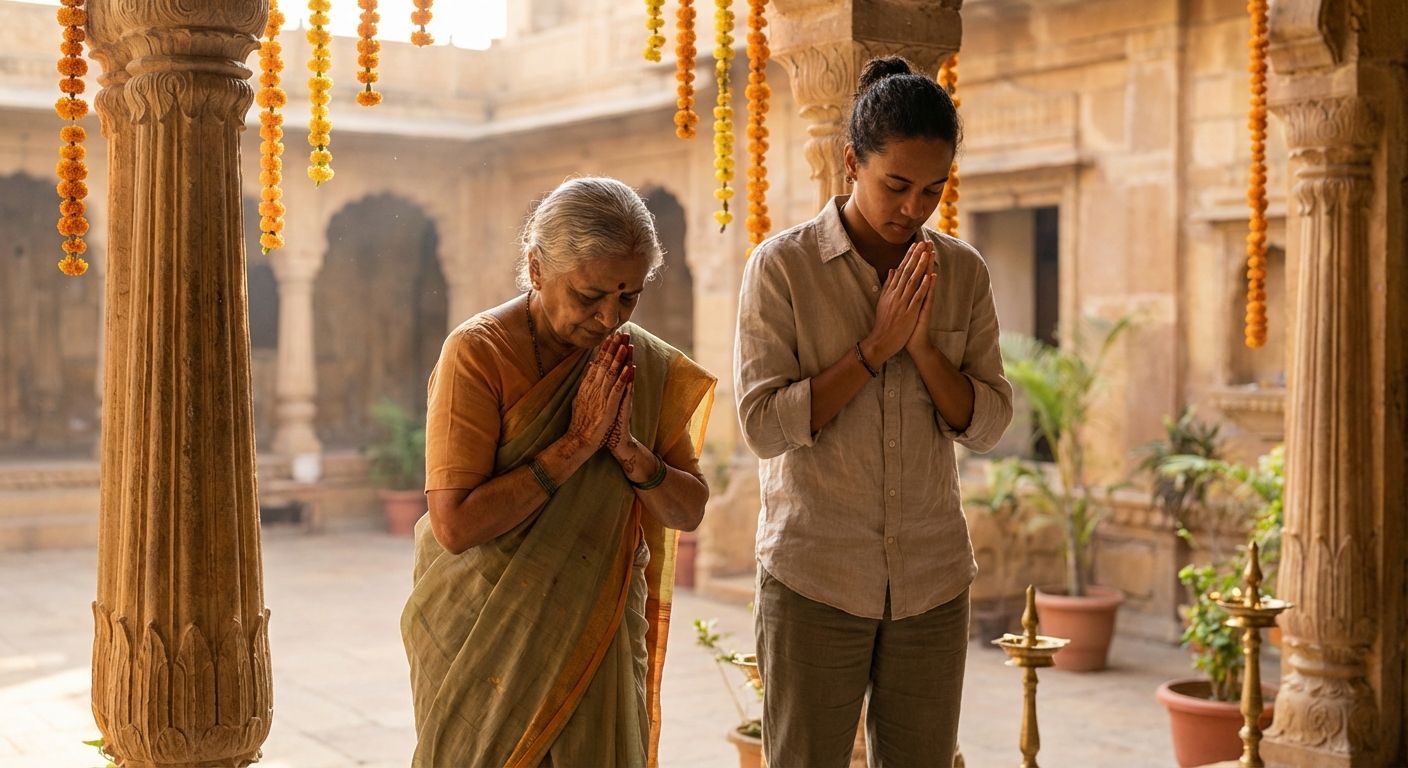
This article explores the meaning of Namaste, tracing its etymology, cultural origins, and spiritual dimensions in India. It clarifies how the greeting functions in everyday life, religious practice and modern yoga culture, and addresses common misconceptions. Read on for historical context, practical etiquette, and the deeper philosophical resonance of this simple but profound salutation.
AsiaCulture

How Tibetan Monks Preserve Tibet’s Cultural Identity: Religion, Manuscripts, and Monasteries

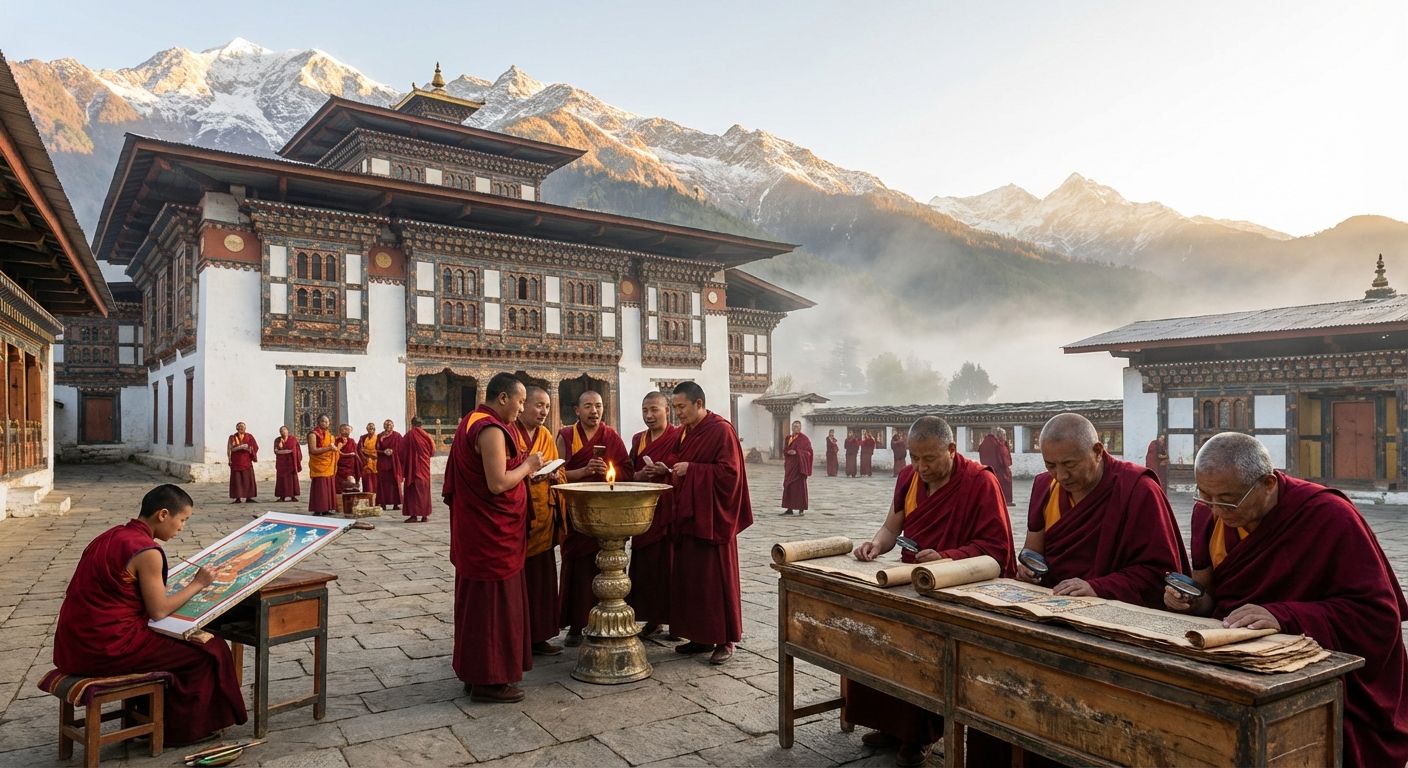
Tibetan monks play a central role in safeguarding Tibet’s cultural, religious, and historical identity through ritual practice, oral transmission, manuscript conservation, and monastery stewardship. This article examines their traditions, educational roles, and the modern challenges they face, offering concrete examples of preservation efforts and ways readers can support them.

AsiaCultureNatureTravel

Nara Park: Where Ancient Temples, Serene Landscapes and Friendly Deer Connect

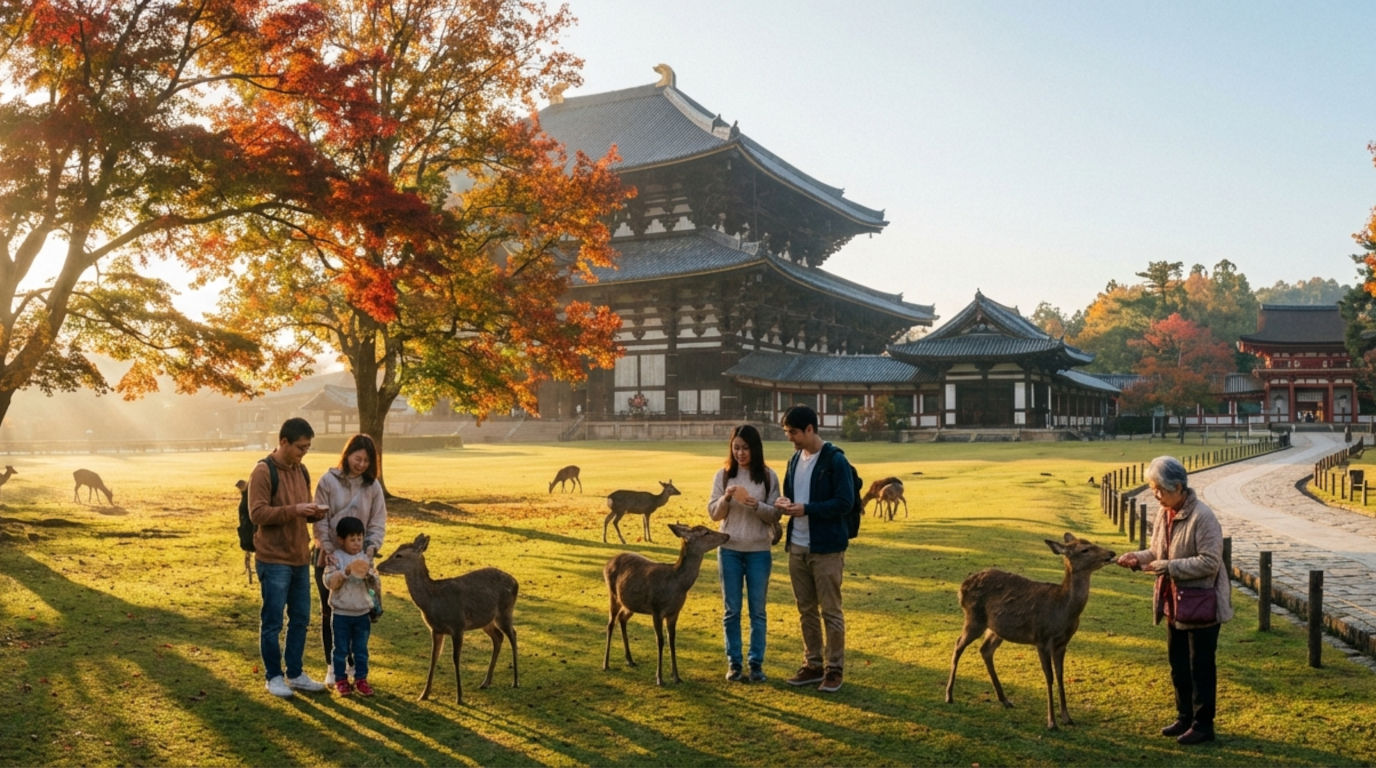
Nara Park is a singular blend of rolling landscapes, sacred temples and free-roaming deer, offering an immersive taste of Japan’s cultural and natural heritage. This guide highlights the park’s top attractions, the historical importance of its temples like Todai-ji and Kasuga Taisha, and practical tips for a respectful and memorable visit.

Perfect for culture-minded travelers and nature lovers, the article outlines how to experience Nara Park responsibly and suggests must-see spots and an efficient itinerary.