Religious tourism offers travelers an opportunity to connect with faith, history and culture through visits to sacred sites, pilgrimages and retreats. Whether you are a devoted pilgrim, a curious traveler or someone seeking meaningful experiences, this guide provides in-depth information on top destinations, practical planning tips and guidance for respectful travel.
Why choose religious tourism?
Religious tourism—also called faith-based travel or spiritual travel—blends cultural discovery with introspection. People embark on these journeys for diverse reasons: to fulfill vows, seek healing, deepen spiritual practice or simply to witness traditions. Beyond the personal benefits, visiting sacred places offers insights into local history, art and community life.
Top destinations for religious tourism
Below are some of the world’s most significant sites for pilgrims and spiritually-minded travelers. Each entry includes what to expect and tips to plan your visit.
Vatican City, Rome (Catholicism)
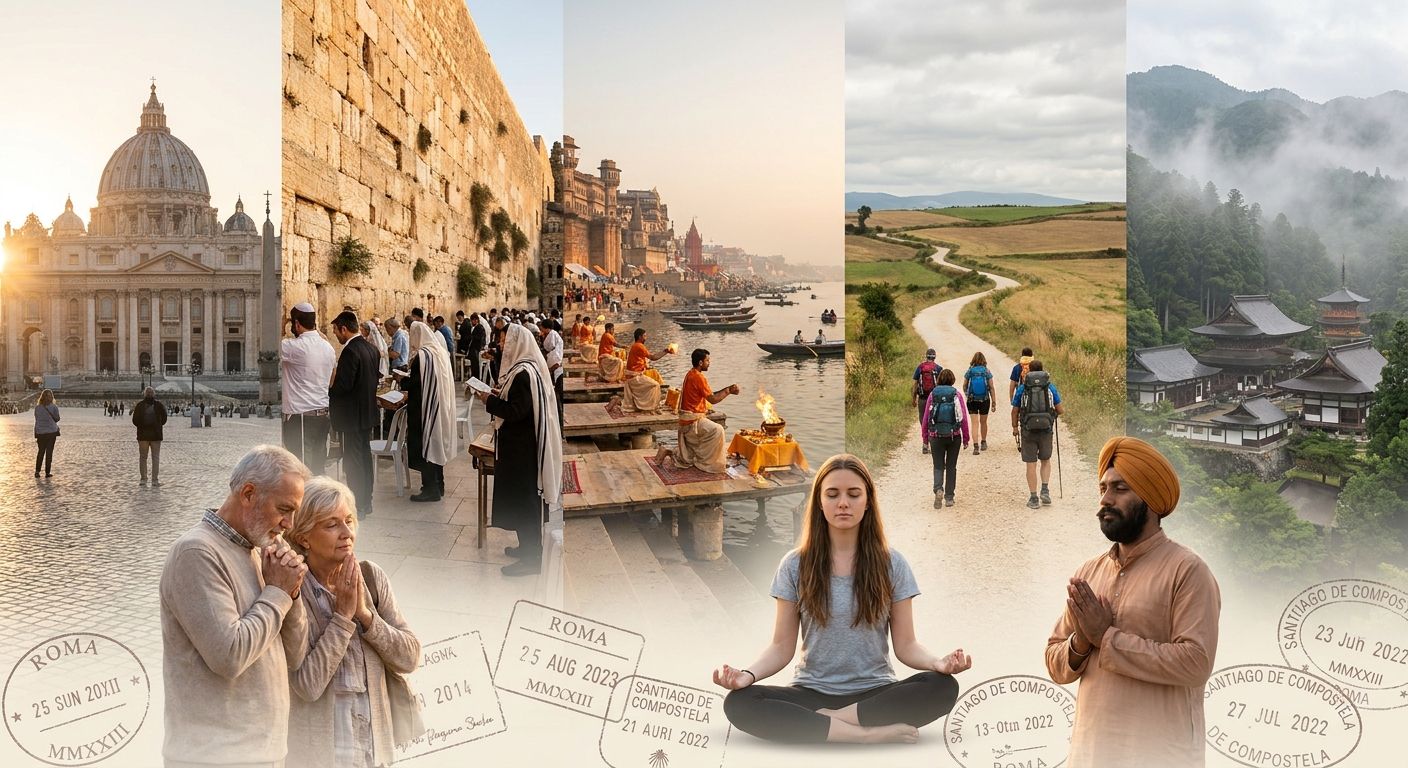
As the spiritual center for millions of Catholics, Vatican City features St. Peter’s Basilica, the Sistine Chapel and Vatican Museums. Expect large crowds, especially during religious holidays and papal audiences. Book guided tours and reserve timed-entry tickets to avoid long queues. (Official site: Vatican.va.)
Jerusalem (Judaism, Christianity, Islam)
Jerusalem is a multilayered spiritual landscape—Western Wall, Church of the Holy Sepulchre and Al-Aqsa Mosque are core sites. Plan visits with sensitivity to prayer times and local customs. Guided walks through the Old City help contextualize historical and religious significance. Reliable reading: UNESCO World Heritage (Old City of Jerusalem).
Varanasi, India (Hinduism)
On the banks of the Ganges, Varanasi is a living, breathing center of Hindu rituals, especially at dawn and dusk. Witness Ganga Aarti, cremation ghats and ancient temples. Respect local rituals, refrain from intrusive photography at sensitive moments, and consider hiring a local guide to navigate customs.
Mecca, Saudi Arabia (Islam)
Mecca hosts the Hajj, one of the world’s largest annual pilgrimages. Access is limited to Muslims and requires permits for Hajj or Umrah. If you’re not eligible, learn about the rites from reliable sources and explore other Islamic sites open to visitors, like the Al-Masjid an-Nabawi in Medina for those eligible.
Santiago de Compostela, Spain (Christian pilgrimage)
The Camino de Santiago culminates at the Cathedral of Santiago de Compostela. Walks vary from multi-day treks to shorter stages. Many pilgrims carry a credencial (pilgrim passport) to collect stamps and earn the Compostela certificate. Visit the official pilgrimage site and plan according to season and route difficulty.
Kyoto and Koya-san, Japan (Buddhism, Shinto)
From historic shrines in Kyoto to the monastic mountaintop of Koya-san, Japan offers serene temple stays and ritual participation. Try a temple lodging (shukubo) to experience Buddhist meals and morning chants—an immersive way to practice mindfulness.
Pilgrimage routes and large gatherings
Pilgrimage routes transform travel into a spiritual discipline. Major experiences include:
- Camino de Santiago (Spain & Europe): well-marked trails and pilgrim infrastructure.
- Hajj and Umrah (Saudi Arabia): religious obligation and intense communal worship; requires planning and permits.
- Kumbh Mela (India): periodic mass bathing festivals drawing millions; plan months ahead for logistics.
- Shikoku Pilgrimage (Japan): 88-temple circuit offering solitude and cultural immersion.
Practical planning for religious tourism
Thoughtful preparation makes religious journeys safer and more meaningful. Key considerations:
Permissions, visas and seasonal timing
Confirm visa requirements and special permits (e.g., Hajj or restricted religious events). Avoid peak crowds when possible—unless you intend to participate in a festival—and always check local calendars for major religious holidays.
Dress codes and etiquette
Many sacred sites require modest clothing or head coverings. Learn basic etiquette—remove shoes where required, maintain quiet in prayer areas, and ask before photographing people or rituals. Respect restrictions and signage.
Health and safety
Large gatherings can pose health risks. Carry essentials (medication, water, sun protection), secure travel insurance, and follow local health advisories. For remote pilgrimages, prepare physically and ensure reliable communication methods.
Experiences that deepen the journey
Beyond visiting landmarks, consider these immersive experiences:
- Participate in rituals: join a communal prayer, a chanting session, or a guided aarti with local permission.
- Stay with hosts: monasteries, ashrams, convents and guesthouses offer structured retreats and deeper cultural exchange.
- Volunteer: meaningful service projects can complement spiritual aims and foster community ties.
- Reflective practices: schedule time for journaling, meditation or guided silence to integrate experiences.
Responsible and respectful religious tourism
Ethical travel in sacred places protects both cultural heritage and local communities. Follow these principles:
- Learn before you go: read about the site’s history and significance from reputable sources like UNESCO or academic publications.
- Support local economies: hire local guides, purchase from artisans and choose community-based accommodations.
- Minimize impact: follow waste-reduction practices and stick to designated paths at heritage sites.
- Honor boundaries: some rituals or areas are closed to outsiders—respect those limits.
Suggested itineraries
Short, medium and extended trip ideas that combine major sites and quieter experiences.
- 7-day spiritual sampler: Rome (Vatican) – Assisi (St. Francis) – Siena: art, liturgy and medieval spirituality.
- 14-day pilgrimage and retreat: Camino de Santiago stages – final days in Santiago de Compostela for liturgy and reflection.
- 3-week immersive: Varanasi (Ganges rituals) – Rishikesh (yoga and ashram stay) – Varanasi for deeper local rites.
Resources and further reading
For planning and context, consult authoritative sources:
- UNESCO World Heritage Centre – site histories and protection status.
- Vatican Official Website – liturgical calendar and visitor information.
- Lonely Planet – practical travel guides and tips.
- National Geographic Travel – cultural context and features.
Conclusion
Religious tourism can transform a simple trip into a journey of meaning. By choosing destinations with intention, preparing respectfully and engaging in immersive experiences, travelers can return home with renewed perspective and deeper cultural understanding. Begin planning with available resources, respect local practices and allow space for reflection—your next spiritually purposeful trip awaits.