How to find potable water in nature is one of the most important survival skills for outdoor enthusiasts. Whether you’re hiking, camping, or unexpectedly displaced in the wilderness, knowing where to look, how to collect, and how to treat water can be lifesaving. This guide provides practical methods, safety checks, and tools to help you locate and secure safe drinking water.
Why water matters: priorities and safety
Before diving into techniques, remember the basic survival priorities: shelter, water, fire, and signaling. Dehydration can become dangerous within 24–72 hours, depending on conditions. While many natural sources exist, not all water is safe. Pathogens (bacteria, viruses, protozoa), chemical contaminants, and toxins from algae or runoff can make water unsafe. Always assume unknown water is contaminated until properly treated.
Understanding water sources in the wilderness
Natural water sources vary by environment. Knowing which sources tend to be safer will improve your odds of finding potable water:
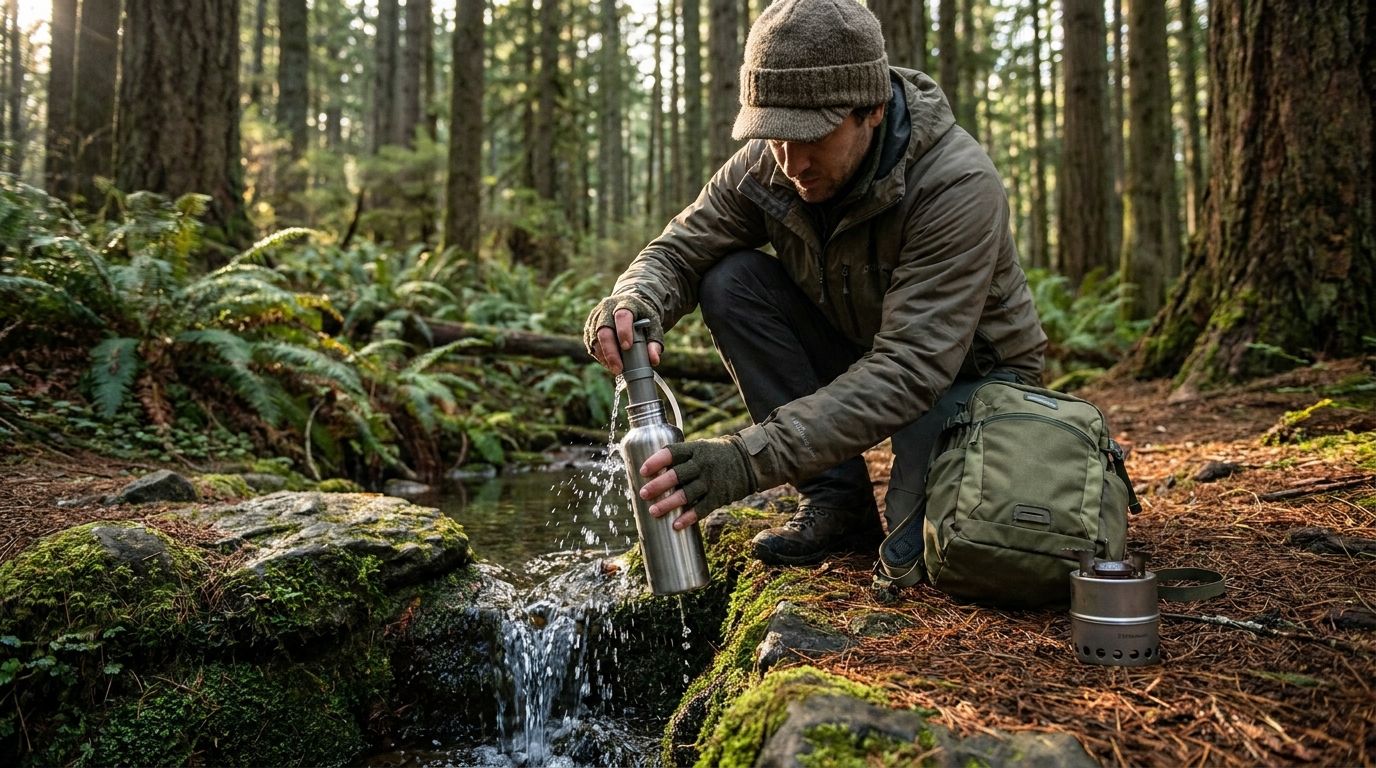
- Running water: Streams and rivers are usually safer than still water because flow reduces some contaminants. Look for clear, fast-moving sections, upstream from camps and towns.
- Springs: Often the safest natural source. Water emerging from a spring has been filtered through soil and rock.
- Groundwater and wells: Dug wells, seepages, or water collected in rock depressions can be good if not contaminated by surface runoff.
- Rainwater: When collected properly, rain is usually safe, but avoid collecting from roofs or surfaces that may have chemical residues.
- Still water (ponds, lakes): Higher risk of pathogens and algal toxins; requires careful treatment.
- Snow and ice: Generally safe if freshly fallen. Melt and treat if possible to avoid hypothermia and to remove pollutants.
Signs and indicators of water presence
To find water in the wild, learn to read the landscape and natural clues:
Vegetation and animal behavior
- Lush vegetation: Green, dense plant growth often indicates groundwater or a nearby stream.
- Animal tracks and trails: Wildlife and livestock follow routes to water; animal tracks, droppings, and game trails can lead you to a source.
- Bird activity: Early morning or late afternoon flights toward low areas can indicate water. Swallows and other birds hunting insects often fly over water.
Topography and geology
- Valleys and depressions: Water moves downhill; check the lowest points in the terrain.
- Rock formations: Look for cracks, crevices, or natural basins in rocks where water may collect.
- Soil type: Damp, dark soil or mud often signals shallow groundwater.
Techniques to locate water
Combine observational clues with practical techniques to improve success:
Follow the terrain downhill
Move toward valleys and streambeds. In arid zones, ancient dry stream channels (arroyos) or seasonal washes may hold subsurface water close to the surface.
Search for springs and seepages
Inspect areas where rock layers change, where groundwater can emerge. Even a slight wet patch along a hillside can indicate a spring.
Collect condensation and dew
In moist environments, you can gather dew from plants early morning using cloth or by shaking foliage into a container. Solar stills (see below) also exploit evaporation/condensation cycles.
Use simple digging for subsurface water
In sandy riverbeds or dry creek beds, dig 30–60 cm into the sand near the lowest point—water may seep into the hole. This can yield drinkable water after treatment.
Practical collection methods
Direct collection from flowing sources
- Upstream collection: Collect from upstream of camps, trails, or human activity to avoid contamination.
- Use a container and cloth: If you lack filtration gear, pour water through a clean cloth to remove sediment before treatment.
Rain capture
Set out waterproof tarps, ponchos, or containers to collect rain. Use wide surfaces and channel water into storage. Place containers under clean catchment areas—avoid gutters, vehicle roofs, or chemically treated areas.
Solar still
A solar still can extract water from soil, vegetation, or even urine when nothing else is available. Dig a pit, place a container at the center, fill the pit with green vegetation or damp soil, cover with plastic sheet, and place a stone in the center to create a low point where condensation will drip into the container. This method is slow but useful in emergencies.
Making water safe: treatment options
Never assume natural water is safe. Use one or more treatment methods depending on available gear.
Boiling
Boiling is the most reliable method to kill pathogens. Bring water to a rolling boil for at least 1 minute; at higher elevations (above 2,000 meters / 6,562 feet) boil for 3 minutes. Boiling does not remove chemical pollutants or particulates.
Filtration
Portable water filters remove bacteria and protozoa; many remove particulates and some reduce viruses depending on pore size and technology. Use filters from reputable outdoor brands and follow maintenance instructions. For improved protection against viruses, pair filtration with chemical treatment or UV treatment.
Chemical disinfection
Household chlorine (unscented bleach) or iodine tablets can disinfect water. Follow manufacturer instructions. Chlorine is less effective against certain protozoa (e.g., Cryptosporidium). When water is cloudy, pre-filter before chemical treatment.
UV treatment
Portable UV pens (e.g., SteriPEN) can inactivate bacteria, viruses, and protozoa quickly. Water must be relatively clear for UV to be effective; pre-filter turbid water.
Combination methods
For maximum safety in uncertain conditions, use a filter followed by chemical or UV treatment. This layered approach addresses particulates and a broad range of pathogens.
Field hygiene and contamination prevention
- Camp away from water sources: Set camp at least 60 meters (200 feet) away from streams and lakes to avoid contaminating drinking water.
- Dispose of waste properly: Bury human waste 15–20 cm deep and at least 60 meters from water sources and trails.
- Avoid washing directly in water: Use a container and scatter wastewater away from the source.
Special considerations by environment
Forested and temperate regions
Look for small streams, springs, and seepages near mossy or dark green vegetation. Fallen logs can create backpools that hold clearer water; collect upstream from human campsites.
Desert and arid zones
Search for dry riverbeds, shaded rock overhangs, and vegetation clusters. Digging in sandy streambeds can reveal subsurface water. Vegetation like cattails or tamarisk sometimes signals water near the surface.
Mountain terrain
Glacial melt, snowmelt streams, and alpine springs are common. Melted snow and ice are usually safe once melted; treat when possible to remove particulates. Beware of glacial runoff carrying silt—let settle or pre-filter.
Quick reference checklist
- Scan downhill and follow animal/bird movement
- Prioritize springs and flowing water
- Collect rain when possible
- Pre-filter turbid water (cloth or settling)
- Boil, filter, or chemically treat all water
- Camp and dispose of waste at least 60 meters from sources
Recommended gear
- Lightweight pump or gravity filter (0.1–0.2 micron for protozoa and bacteria)
- UV disinfection pen for viral protection
- Water purification tablets (chlorine dioxide or iodine)
- Collapsible water container or bottles for storage
- Small pot and stove for boiling
Reliable resources and further reading
For in-depth, authoritative guidance, consult:
Final tips and mindset
Learning how to find potable water in nature is both a practical skill and a mindset: stay observant, plan ahead, and carry redundant treatment options. Practice using your gear before you need it, and always prioritize safety. Securing a reliable water source increases your comfort and your chance of staying safe in the outdoors.