
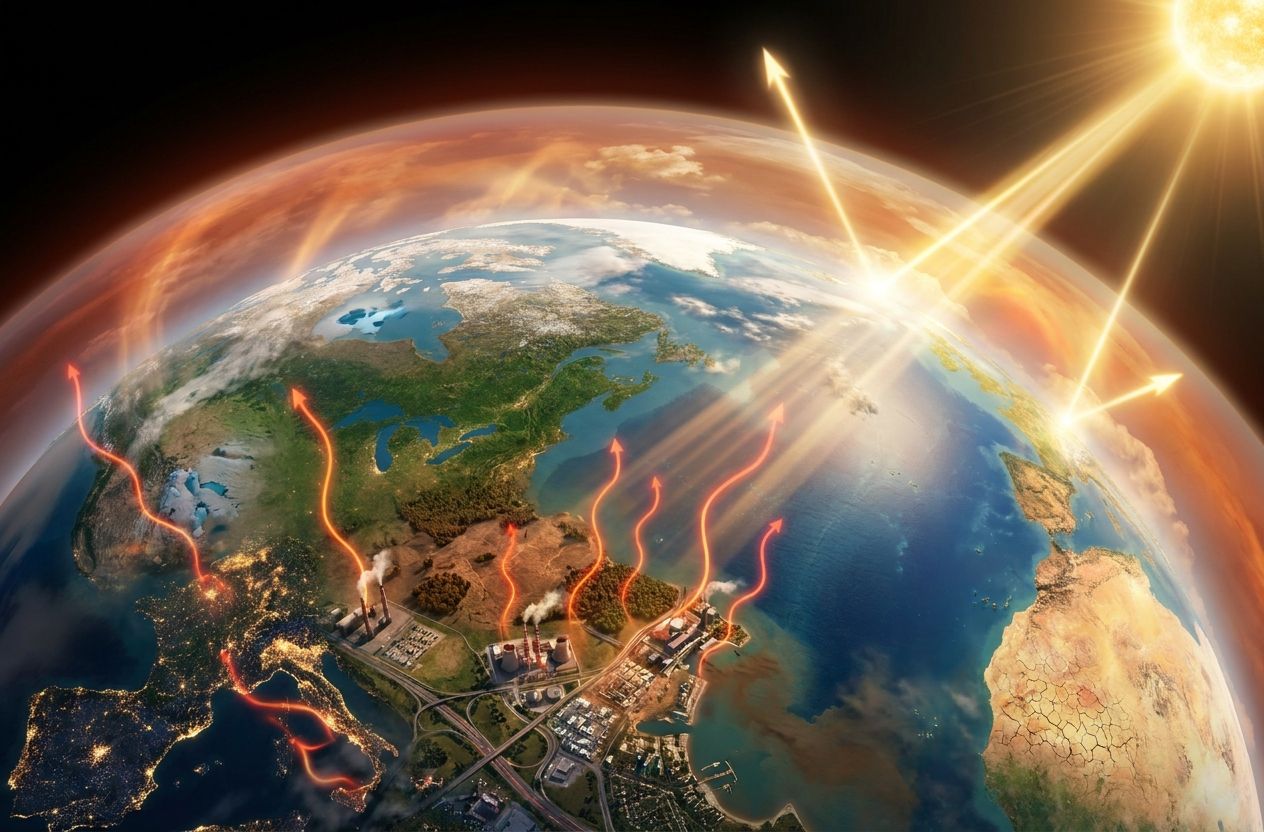
Greenhouse effect and global warming are linked processes shaping Earth’s climate and the quality of life for billions of people. In this article we unpack the science, the human drivers, the cascading environmental and societal impacts, and pragmatic solutions to reduce harm and build resilience.
What is the natural greenhouse effect?
The natural greenhouse effect is a vital process that keeps Earth’s average surface temperature within a range that supports life. Incoming shortwave solar radiation reaches the planet, is absorbed by land and oceans, and is re-emitted as longwave infrared radiation. Certain atmospheric gases—known as greenhouse gases (GHGs)—absorb and re-radiate some of that heat, slowing its escape to space and maintaining a habitable climate.
Major greenhouse gases
- Water vapor (H2O) — the most abundant natural greenhouse gas and a strong amplifier of warming through feedback loops.
- Carbon dioxide (CO2) — long-lived and central to anthropogenic warming; emitted by fossil fuel combustion, land-use change and cement production.
- Methane (CH4) — more potent per unit mass than CO2 over short timescales; sources include agriculture, wetlands, and fossil fuel extraction.
- Nitrous oxide (N2O) — emitted by agriculture (fertilizers), industry and combustion processes.
- Fluorinated gases — industrial gases with strong warming potential, though present in smaller concentrations.
How does human activity intensify the greenhouse effect?
Since the Industrial Revolution, human activities have increased atmospheric concentrations of CO2, CH4 and other GHGs, enhancing the natural greenhouse effect and causing a net energy imbalance at the top of the atmosphere. Key human drivers include:
- Fossil fuel combustion — power generation, transportation and industry release vast amounts of CO2.
- Deforestation and land-use change — reduce carbon sinks and increase emissions from biomass burning and soil disturbance.
- Agriculture and livestock — produce methane (enteric fermentation) and nitrous oxide from soils and manure management.
- Industrial processes — cement production, chemical manufacturing and use of fluorinated gases contribute significant emissions.
These anthropogenic emissions accumulate because CO2 and many other gases persist in the atmosphere for decades to centuries, driving long-term warming.
The physics: radiative forcing and feedbacks
Radiative forcing quantifies how a factor (e.g., GHG concentration) changes the energy balance of the Earth. Positive forcing warms the planet; negative forcing cools it. Human additions of CO2 and other GHGs increase positive forcing.
Feedback mechanisms amplify or dampen warming. Important feedbacks include:
- Water vapor feedback — warmer air holds more moisture, increasing greenhouse trapping.
- Ice-albedo feedback — melting ice reduces surface reflectivity, absorbing more solar energy and causing further warming.
- Permafrost carbon feedback — thawing permafrost releases CO2 and CH4, reinforcing warming.
Observed changes and evidence of global warming
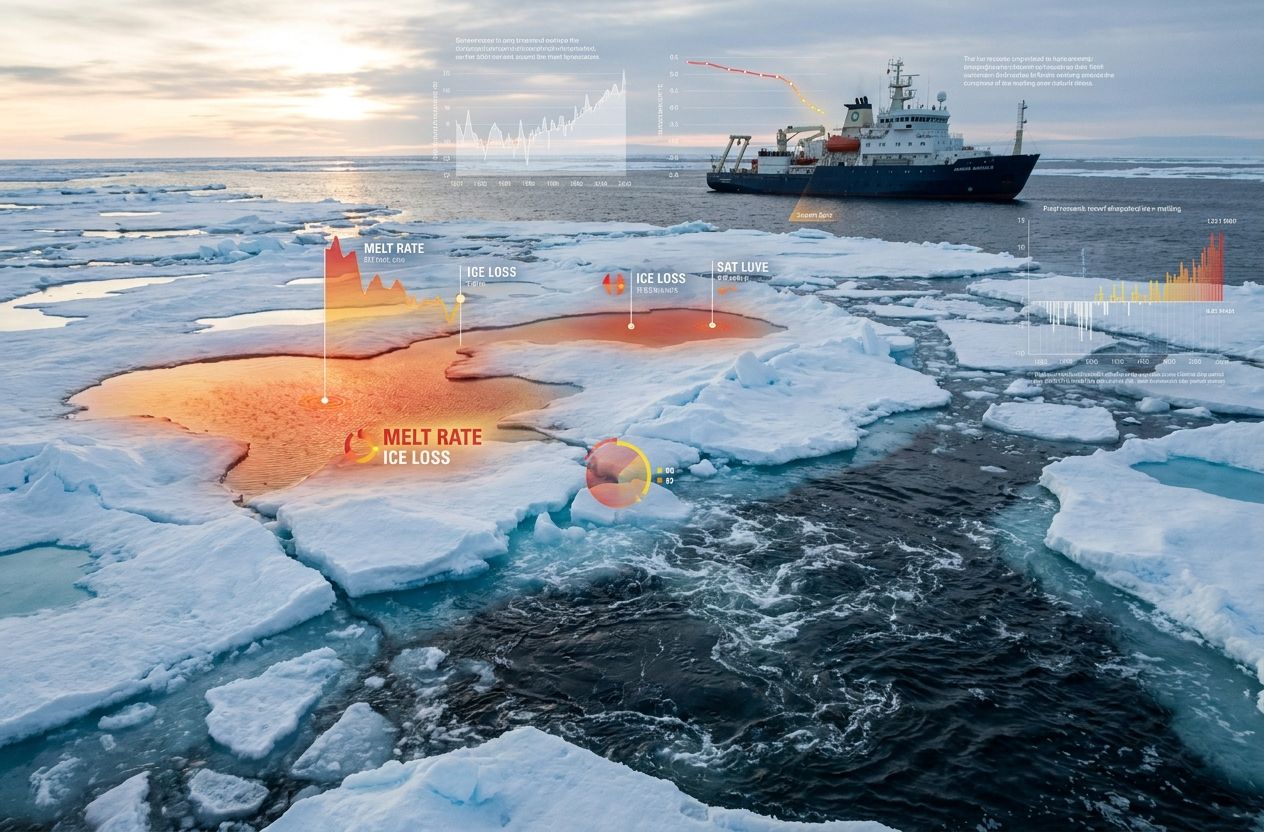
Multiple lines of evidence document warming trends and climate system changes:
- Rising global average surface temperatures (e.g., NASA and NOAA records).
- Melting glaciers and Arctic sea ice decline.
- Sea level rise from thermal expansion and ice melt.
- Increased frequency and intensity of heatwaves, heavy precipitation, and some storms.
For comprehensive assessments and data, consult the IPCC, NASA Climate, and NOAA.
Environmental impacts
The environmental consequences of intensified greenhouse effect and global warming include:
- Ecosystem shifts: Species migrate toward poles or higher elevations; mismatches in phenology affect pollinators and food webs.
- Biodiversity loss: Warming, habitat loss and ocean acidification put species at risk, raising extinction threats.
- Ocean changes: Warming and acidification alter marine ecosystems, threaten coral reefs and reduce fisheries productivity.
- Hydrological impacts: Changes in precipitation patterns increase droughts in some regions and floods in others.
Social and economic impacts
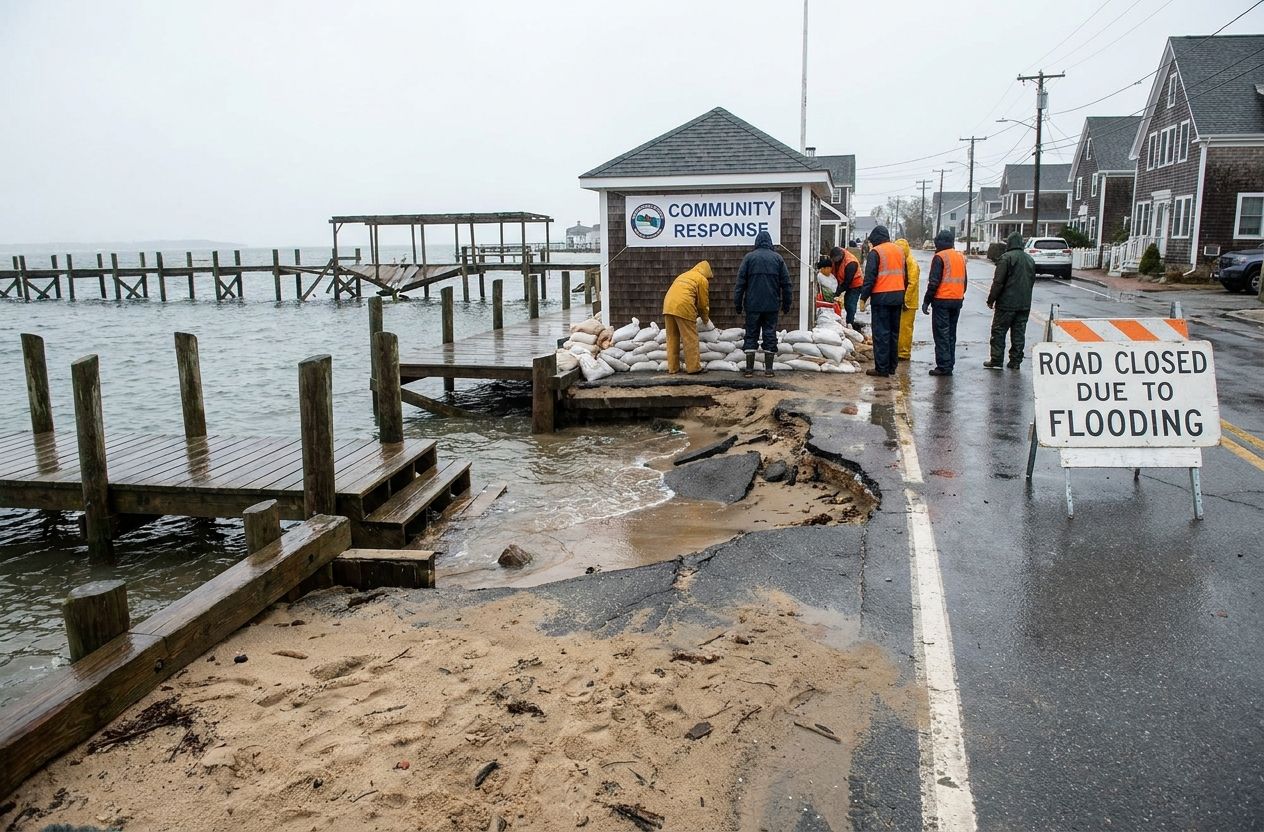
Climate change poses wide-ranging risks to society and economies:
- Human health: Heat-related illnesses, vector-borne diseases, and respiratory problems from wildfire smoke increase.
- Food security: Crop yield variability, pests and extreme weather challenge agriculture and supply chains.
- Water resources: Altered precipitation and glacier retreat affect freshwater availability for billions.
- Infrastructure and economy: Coastal flooding, damage from storms, and supply disruptions impose escalating costs.
- Social inequality and displacement: Vulnerable populations face higher risks, potentially increasing climate migration and social tensions.
Regional examples of impacts
Polar regions
Arctic amplification causes rapid warming, sea ice loss, permafrost thaw and threats to indigenous livelihoods.
Small island developing states
Sea level rise and extreme weather threaten freshwater, infrastructure and the very habitability of low-lying islands.
Tropical and subtropical regions
Higher temperatures, changing rainfall and stronger heatwaves affect agriculture, water security and urban populations.
Mitigation strategies to reduce greenhouse gas emissions
Mitigation aims to reduce emissions and enhance sinks. Key approaches include:
- Decarbonizing energy systems — shift to renewables (solar, wind, hydro), increase energy efficiency, and phase out coal.
- Electrifying transport — electric vehicles, public transit and modal shifts reduce oil dependence.
- Industrial innovation — low-carbon manufacturing, material efficiency and carbon capture and storage (CCS).
- Land and ocean carbon management — afforestation, reforestation, soil carbon practices and protection of blue carbon ecosystems (mangroves, seagrasses).
- Agricultural practices — precision agriculture, improved livestock management, and reduced food loss.
- Policy instruments — carbon pricing, emissions trading, regulatory standards and targeted subsidies.
Adaptation: increasing resilience to unavoidable changes
Even with mitigation, some warming is locked in, requiring adaptation measures such as:
- Climate-resilient infrastructure and land-use planning.
- Early warning systems for extreme weather.
- Water resource management and drought-resilient crops.
- Health system strengthening for heat and vector-borne disease responses.
Role of science, education and policy
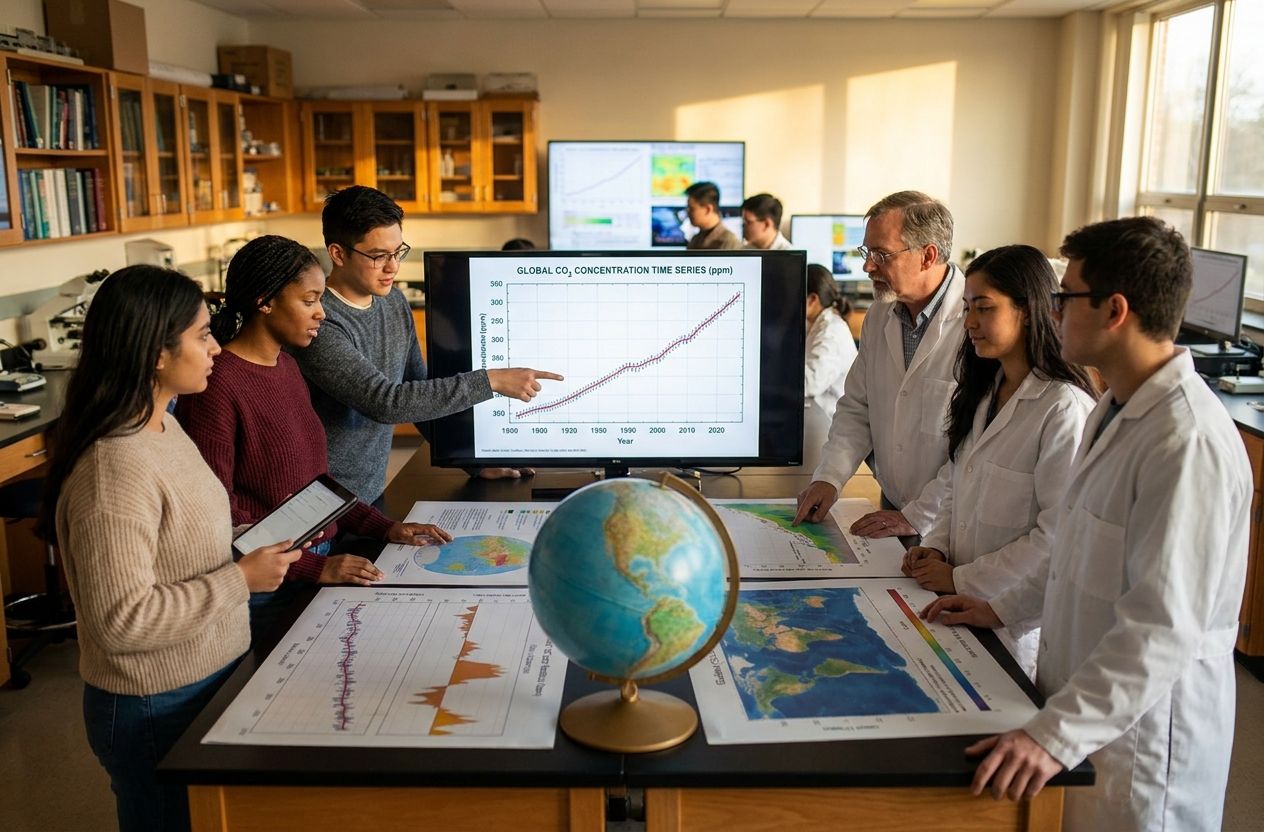
Robust climate science, transparent data and accessible education are essential. Students and early-career researchers can contribute through monitoring, modeling and community engagement. Effective policy requires integrating scientific evidence into economic planning and international cooperation under frameworks like the UNFCCC.
Practical actions for individuals and organizations
- Reduce energy use: insulation, efficient appliances, and smart thermostats.
- Choose low-carbon transport: walking, cycling, public transit and electric vehicles.
- Adopt sustainable diets: reduce food waste and emissions-intensive foods.
- Support nature-based solutions: urban trees, community reforestation and wetland restoration.
- Advocate and educate: engage with policymakers and community groups to scale action.
Measuring progress and reporting
Tracking emissions, monitoring climate indicators and transparent reporting are critical. National inventories, remote sensing, and scientific assessments (e.g., IPCC reports) guide policy and measure progress toward targets such as those in the Paris Agreement.
Conclusion
The greenhouse effect and global warming describe a fundamental planetary process and the human-driven changes that threaten ecosystems, economies and societies. Addressing the challenge requires integrated mitigation and adaptation, strong science-policy links, and broad societal engagement. For students, educators and environmental professionals, understanding the mechanisms, impacts and solutions is the first step toward meaningful action.
Further reading and data: IPCC Assessment Reports (ipcc.ch/reports), NASA Climate (climate.nasa.gov), NOAA Climate Data (climate.gov).