Types of onigiri are more than a list of shapes and fillings: they represent centuries of culinary adaptation and everyday practicality. In this article you will find a full exploration of the history, principal types and common fillings, practical preparation tips, storage advice, and the cultural importance of onigiri in Japan and beyond.
Introduction
Types of onigiri appear in Japanese texts and art across eras, evolving from simple portable staples to beloved comfort food and street snacks. Whether you call them onigiri or omusubi, these rice balls are defined by cooked rice shaped and often wrapped with nori (seaweed) and stuffed or seasoned with a variety of ingredients. This guide will help beginners and enthusiasts understand and make the most common varieties, while appreciating the cultural context behind them.
1. A Brief History of Onigiri
The history of onigiri goes back over a thousand years. Early forms of packed rice appear in classical Japanese literature and were used as portable food for hunters, soldiers and travelers. During the Heian period (794–1185) there are records of rice wrapped in bamboo leaves or cloth. By the Edo period (1603–1868), shaping rice into compact forms for travel and convenience was widespread.
In the 20th century, onigiri became commercially available in convenience stores (konbini) and railway stations (ekiben), cementing their place as a staple of modern Japanese daily life. For more on Japanese culinary history, see sources such as Japan Guide and the Onigiri entry on Wikipedia.
2. What Defines an Onigiri?
- Rice: Short-grain Japanese rice (sushi rice) or other sticky varieties.
- Shape: Triangular, round, cylindrical or pressed shapes.
- Filling (optional): Pickled plums, grilled salmon, tuna mayo, kombu, etc.
- Wrap or seasoning: Nori sheets, furikake (seasoning), salt or grilled exterior.
3. Main Types of Onigiri
Below are the most recognized types of onigiri, organized by preparation and presentation. Understanding these types helps both in selection and in home preparation.
3.1 Traditional and Classic Types
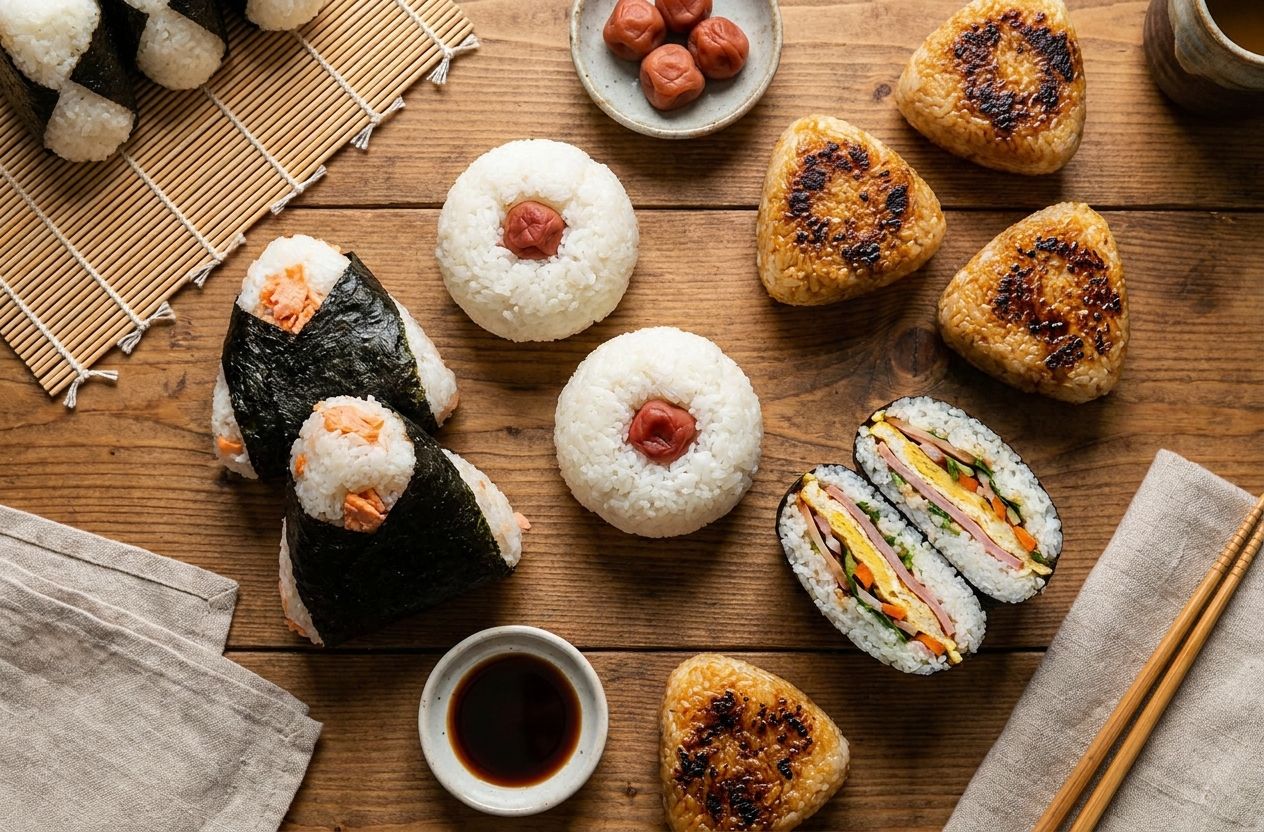
- Umeboshi Onigiri: Filled with a salted pickled plum (umeboshi). The sour and salty center acts as a natural preservative.
- Sake (Salmon) Onigiri: Grilled or salted salmon flakes used as filling—simple and popular.
- Okaka: Dried, seasoned bonito flakes mixed with soy sauce.
- Kombu: Simmered kelp (kombu) seasoned with soy and sugar, a classic vegetarian-friendly filling.
3.2 Convenience and Modern Varieties
- Tuna Mayo: Canned tuna mixed with Japanese mayonnaise—ubiquitous and beloved.
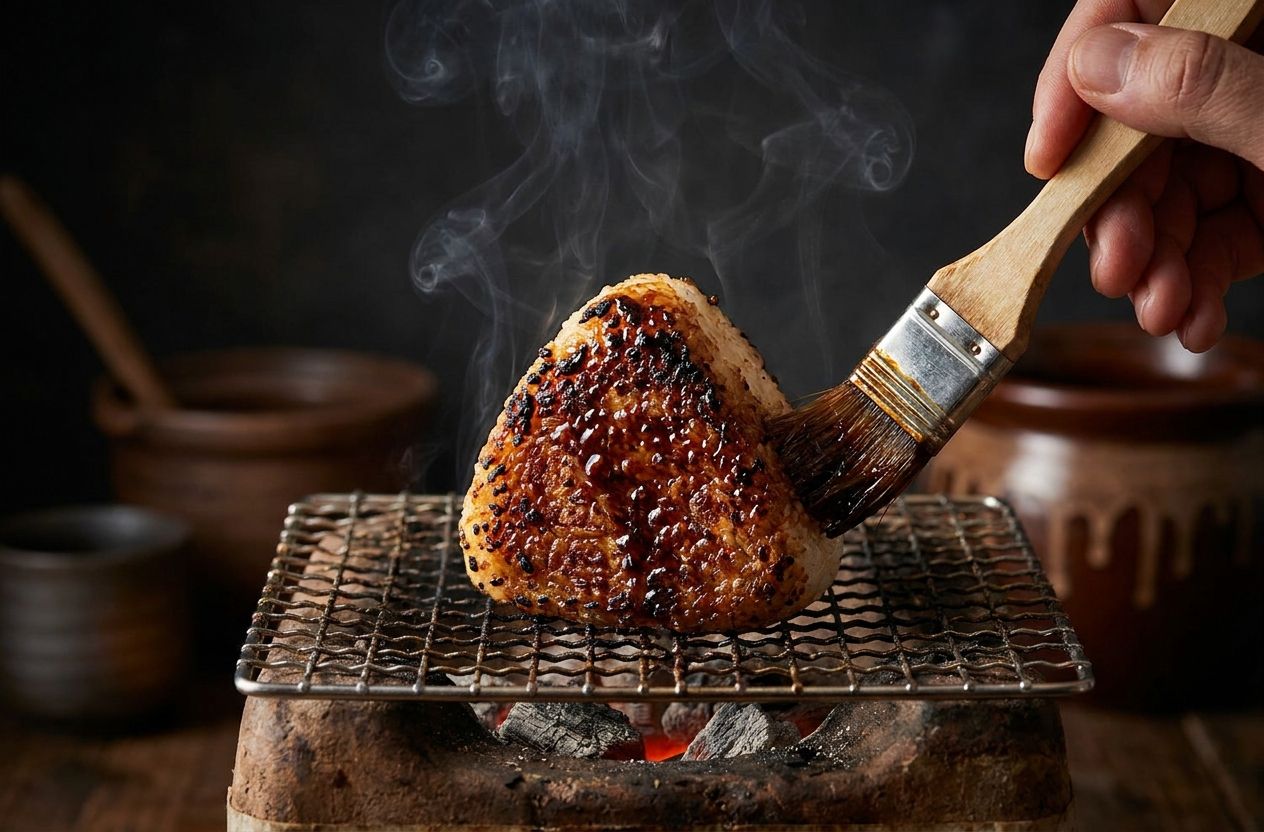
- Yaki Onigiri: Grilled rice balls brushed with soy sauce or miso until crisp and caramelized on the outside.
- Furikake Onigiri: Rice mixed with seasoning flakes (furikake) and sometimes shaped without filling.
- Onigirazu: A sandwich-like rice wrap where fillings are layered and the rice is pressed into a flat rectangle, then folded in nori; easier to make large and varied.
3.3 Regional and Specialty Types
- Ekiben Variations: Railway station boxed onigiri with regional specialties—octopus, eel, or local pickles.
- Decorative Onigiri: Shaped and colored for bento art (kyaraben), often used for children’s lunches and special occasions.
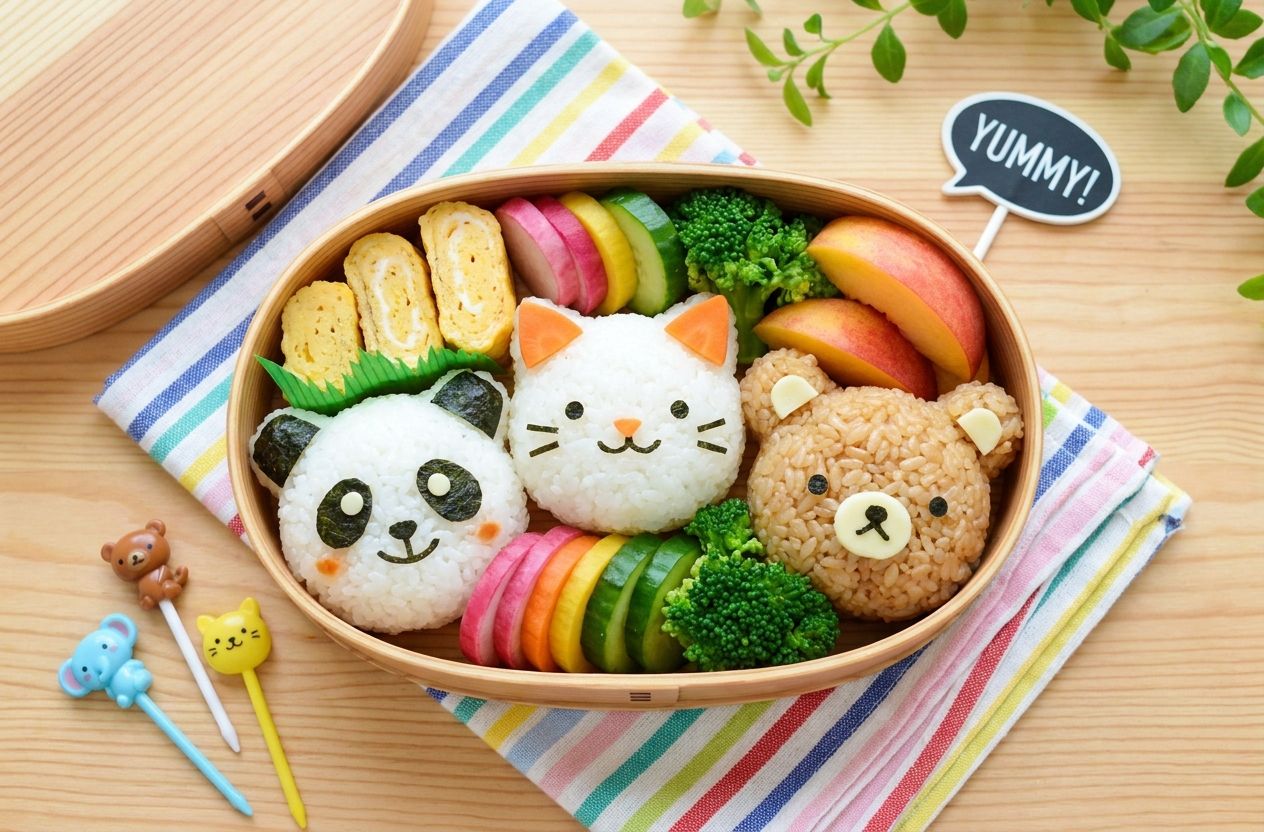
Tip: When learning the types of onigiri, try sampling both classic fillings like umeboshi and modern ones like tuna mayo to understand the balance between preservation and flavor.
4. Popular Fillings and Seasonings
Common fillings and seasonings create different onigiri styles and flavor profiles. Here are widely used options:
- Umeboshi (pickled plum) – sour, salty, preservative quality.
- Salmon (sake) – grilled, salted or flaked.
- Tuna mayonnaise – rich and creamy, modern favorite.
- Kombu – savory kelp simmered in soy-based sauce.
- Okaka – bonito flakes with soy, smoky and umami-rich.
- Tarako/Mentaiko – salted or spiced cod roe.
- Tempura bits or mixed vegetables – for texture variation.
5. Step-by-Step: How to Make Onigiri at Home
The following method covers the essential process used across many types. It’s an accessible routine for beginners.
Ingredients (for about 6 onigiri)
- 2 cups Japanese short-grain rice (uncooked)
- 2¼ cups water (adjust per rice brand)
- Salt to taste
- Nori sheets, cut into strips
- Desired fillings (about 1–2 tsp per onigiri)
Instructions
- Cook rice: Rinse rice until the water runs clear, then cook in a rice cooker or pot. Let the rice rest covered for 10 minutes after cooking.
- Prepare fillings: Flake grilled salmon, drain tuna and mix with mayo, or unwrap umeboshi.
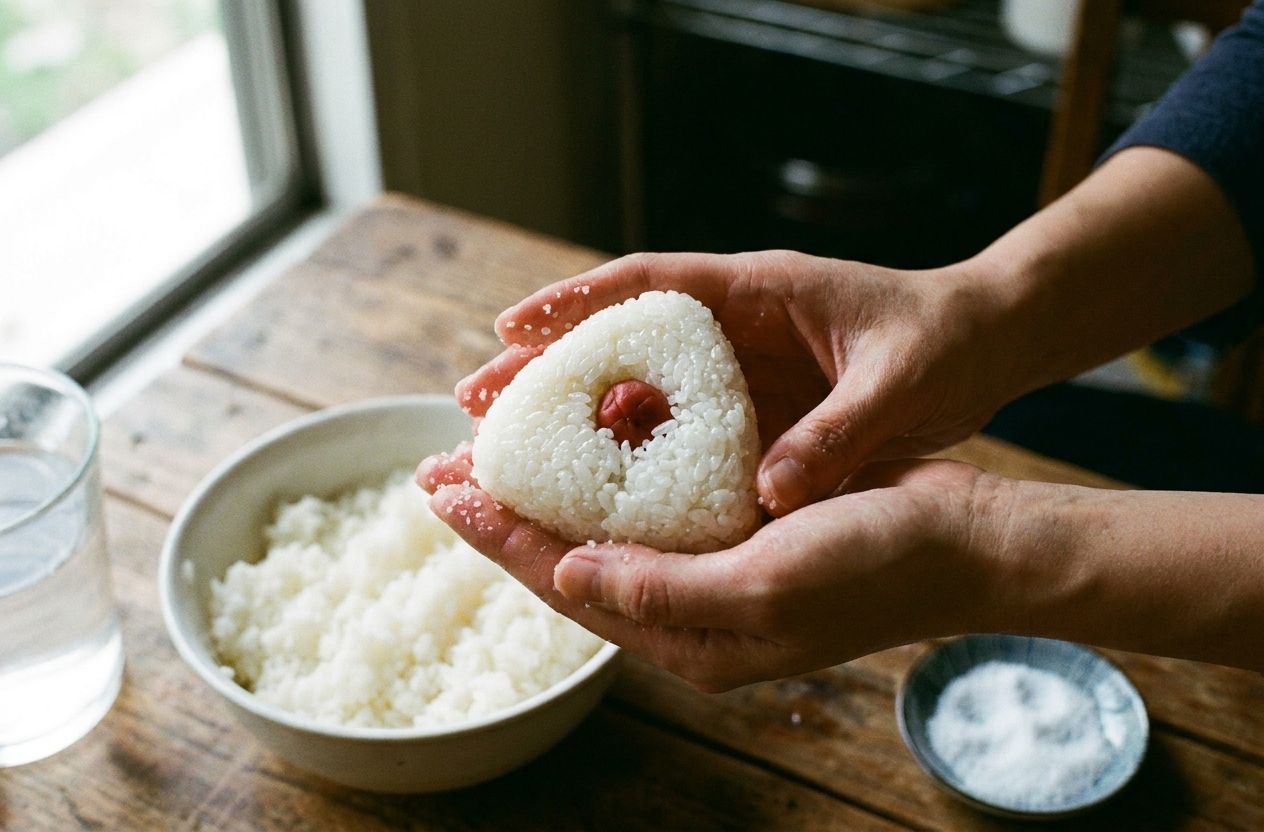
- Wet and salt your hands: Wet hands with water and rub a little salt between your palms to season the rice surface and prevent sticking.
- Shape: Place a small handful of rice in your hand (about 3–4 tbsp), create a small indentation, add 1 tsp of filling, then cover with more rice and press into a firm triangular or round shape. Use gentle, consistent pressure—don’t over-compress.
- Wrap: Wrap the onigiri with a strip of nori or lightly brush with soy/miso and grill for yaki onigiri.
Pro tips: For a cleaner result use plastic wrap shaped around your hands to form onigiri, especially useful for sticky fillings like tuna mayo. For onigirazu, layer rice and fillings on plastic wrap, fold into a square and press.
6. Preservation, Storage and Food Safety
Understanding preservation is crucial since onigiri historically served as travel food. Salted fillings like umeboshi allow longer storage. Modern recommendations for safety:
- Room temperature: Only for a few hours, especially in cool weather. In summer or warm climates, avoid leaving onigiri out for long.
- Refrigeration: Store wrapped onigiri in the fridge for up to 24 hours; note the rice texture will harden. To recover softness, microwave briefly with a damp paper towel.
- Freezing: Wrap individually and freeze for up to a month. Thaw in the fridge and reheat gently; texture will change but still workable for packed lunches.
Use common-sense food safety: if an onigiri shows odd smell, texture or color, discard it.
7. Serving, Eating and Cultural Notes
Onigiri is eaten by hand and is intrinsically casual—perfect for picnics, bento lunches and quick snacks. It embodies Japanese values of simplicity and seasonality. In Japan, you’ll see onigiri in convenience stores, specialty shops, and homemade bentos.
Etiquette tip: When eating with others, avoid taking bites from a shared onigiri. Instead, serve individually wrapped or pre-portioned pieces.
8. Contemporary Trends and Evolution
Modern chefs and home cooks innovate with onigiri by incorporating global flavors and presentation styles. Examples include:
- Fusion fillings: kimchi, curry, avocado and spicy tuna.
- Vegan and gluten-free versions: using kombu, pickles and plant-based sauces.
- Artistic bento: onigiri shaped as characters or animals (kyaraben).
Convenience stores now use clever packaging that keeps nori separate until consumption to preserve crispness—an innovation in the onigiri evolution that balances freshness and shelf-life.
9. Troubleshooting Common Issues
- Rice too sticky: Rinse more thoroughly before cooking and use the correct rice-to-water ratio.
- Rice falls apart: Press more firmly and use slightly warmer rice when shaping.
- Nori soggy: Place nori around the onigiri just before eating or use packaging techniques that separate it until ready to eat.
10. Quick Recipes for 4 Classic Fillings
Umeboshi Onigiri
- 1 umeboshi per onigiri; remove pit and place 1 tsp in center.
- Salt and shape.
Salmon Onigiri
- Grill a salmon fillet, flake and season with a pinch of salt. Use 1–2 tsp for each onigiri.
Tuna Mayo Onigiri
- Drain canned tuna, mix with Japanese mayo (Kewpie) and a touch of soy. Use about 1 tbsp per onigiri.
Kombu Simmered Onigiri
- Simmer kombu in soy, mirin and sugar until tender. Chop and use as filling.
11. Where to Learn More and Buy Ingredients
For authentic ingredients and deeper reading: NHK, Japan Guide, and specialty shops like local Asian markets or online stores for Japanese rice, nori and umeboshi. For ingredient sourcing and recipes, reputable cookbooks by Japanese chefs and food historians are helpful.
Conclusion
Types of onigiri embody Japanese ingenuity—simple, versatile and deeply rooted in culture. From classic umeboshi-filled triangles to modern onigirazu sandwiches, onigiri offers something for beginners and connoisseurs alike. With the right rice, a few tips on shaping and storage, anyone can make satisfying onigiri at home. Try several types to find your favorites and enjoy the rich culinary legacy packed in every rice ball.