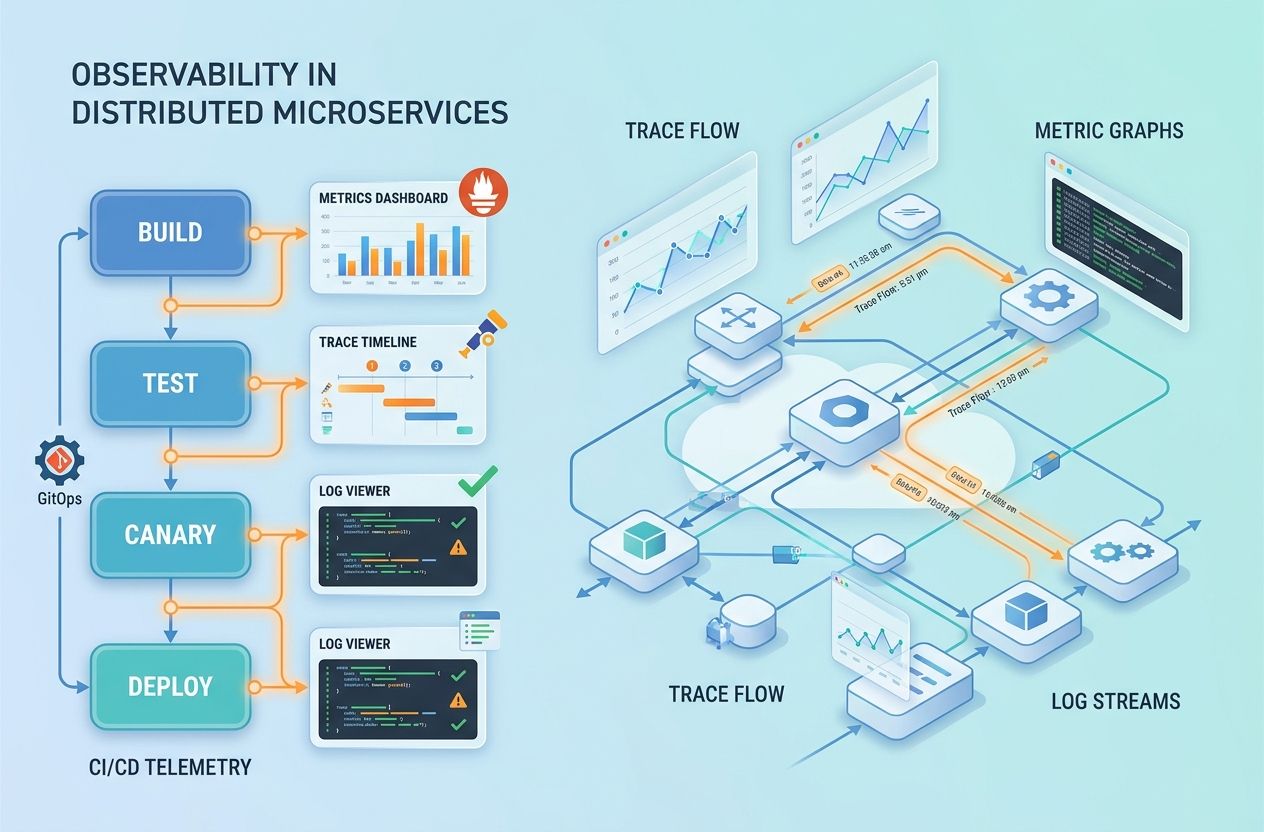
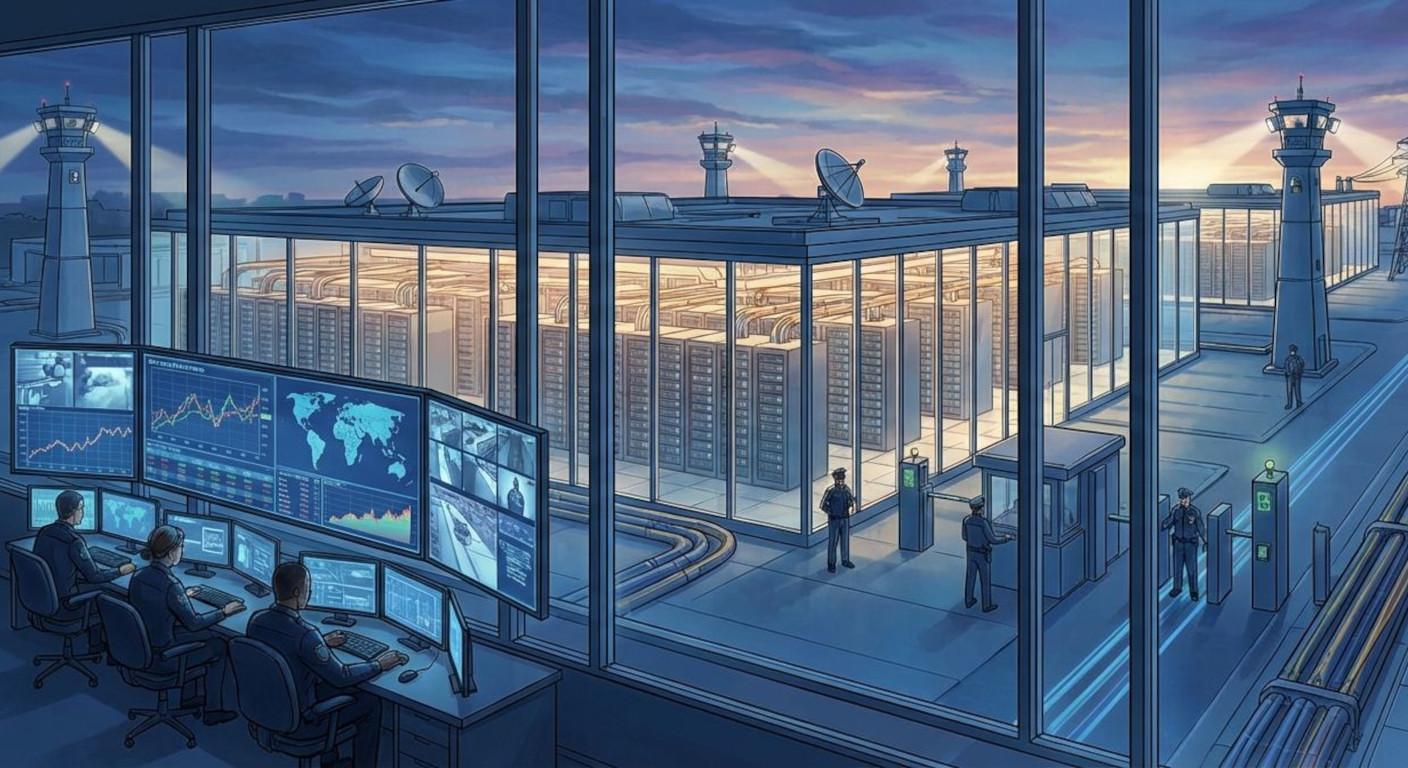
The largest banking data centers power transactions, custody operations, risk modeling and the daily digital services customers expect from financial institutions. This article maps 20 of the most significant data centers used by banks and financial institutions globally, describing their infrastructure, technology, redundancy, security practices and strategic roles in financial resilience.
How this list was compiled and why it matters
Selecting the top sites prioritizes facilities that are either bank-owned, operated for banking customers, or play a major role as regional financial hubs. Metrics considered include estimated power capacity (MW), physical footprint, redundancy level (Tier III/IV where available), connectivity density, and documented role in financial services operations. Exact capacity figures are often proprietary; when numerical estimates are used they are presented as estimated values.
Key technologies and standards found in the largest banking data centers
- Redundant power systems with multiple feeds, on-site generators and UPS arrays (N+1 or greater).
- High-density cooling solutions including chilled water loops, direct-to-chip cooling and free cooling where climate allows.
- Physical and logical security: biometric access, mantraps, 24/7 surveillance, segmentation, and HSMs (Hardware Security Modules).
- Network diversity: multiple fiber paths, carrier-neutral exchange points, and low-latency connections to financial exchanges and cloud providers.
- Disaster recovery and geo-redundancy: active-active and active-passive architectures across multiple sites and regions.
- Compliance and certifications: ISO 27001, SOC 2, PCI-DSS where applicable, and local financial regulation attestations.
Top 20 largest banking data centers (overview)
The list below organizes major data centers used by or purpose-built for financial institutions. Each entry includes location, primary bank/operator relationships, estimated scale, key technologies and why the site is strategically important.
- JPMorgan Chase — Columbus / Ohio region data campuses Location: Multiple campuses in Ohio and surrounding regions. Estimated scale: multiple facilities with tens of MW of power and large rack counts. Technologies: mainframe and virtualized environments, high-availability storage, dedicated fibre paths, advanced security operations centers (SOCs). Importance: Central to transaction processing, treasury services and global trade operations. These sites support critical banking systems and disaster recovery for key business lines.
- Bank of America — Data vaults and regional data centers (US) Location: Multiple secure facilities across the United States. Estimated scale: large campus-style data centers with significant power and enclosure density. Technologies: software-defined infrastructure, large-scale database clusters, encryption at rest with HSMs. Importance: Supports retail banking platforms, card processing and compliance reporting.
- HSBC — London and global finance hubs Location: London, Hong Kong, and regional sites. Technologies: highly interconnected facilities connected to major exchanges and clearing houses, virtualization, containerized environments for microservices. Importance: Enables cross-border settlement and treasury operations; proximity to financial exchanges reduces latency for trading and clearing.
- Citigroup — Global data center network Location: New York, London, Singapore and other hubs. Technologies: hybrid cloud integration, disaster recovery fabrics, high-assurance security zones. Importance: Backbone for corporate and investment banking platforms and global transaction networks.
- Equinix Financial Edge / IBX campuses Location: Equinix’s global IBX portfolio (NY4, LD, HK, SG). Estimated scale: carrier-dense, multi-tenant colocation with extremely high interconnectivity. Technologies: carrier-neutral cross-connects, low-latency fabric, direct cloud on-ramps. Importance: These sites are critical colocation hubs where banks, trading firms and exchanges meet; they enable low-latency trading and secure exchange of market data. (Equinix)
- Digital Realty — Financial-focused campuses Location: Major metros globally, including Ashburn (US), London and Singapore. Technologies: modular data halls, high-power cabinets, and certified compliance stacks. Importance: Offers scalable colocation for banks migrating workloads from legacy on-premises to carrier-neutral environments. (Digital Realty)
- BNP Paribas — European data centers Location: France and other European hubs. Technologies: secure virtualization, private cloud, encrypted replication across EU regions. Importance: Key for European retail and corporate banking operations as well as regulatory reporting.
- Deutsche Bank — Frankfurt and global sites Location: Frankfurt, London, and APAC locations. Technologies: high-assurance processing for capital markets, real-time risk platforms, and multi-site redundancy. Importance: Frankfurt facilities interconnect with European exchanges and clearing houses, supporting settlement and market operations.
- ICBC and Bank of China — Asia-Pacific campuses Location: Beijing, Shanghai, Hong Kong and Singapore. Technologies: large enterprise systems, mainframe consolidation, geo-distributed replication. Importance: Backbone of retail and corporate banking across Asia, processing high transaction volumes and supporting cross-border RMB flows.
- Barclays — Data center footprint in UK and US Location: UK and US facilities. Technologies: secure cloud-native platforms, DevOps pipelines within high-compliance zones. Importance: Supports digital banking, payment gateways, and trading platforms with regulatory-grade controls.
- Wells Fargo — Strategic data campuses Location: US Midwest and West. Technologies: hybrid mainframe-cloud architectures, large-scale data lakes for analytics. Importance: Ensures continuity for retail banking, mortgage processing and enterprise analytics.
- UBS & Credit Suisse (Swiss financial centers) Location: Zurich, Geneva. Technologies: secure vaulting, private cloud infrastructures, strict data residency and encryption controls. Importance: Central to wealth management systems and cross-border custody services.
- State Street & BNY Mellon — Custody and asset servicing hubs Location: Boston-area and global centers. Technologies: high-capacity storage, archive systems, and secure interbank overlays. Importance: These sites support custody, clearing and asset servicing at very large scale; uptime and data integrity are mission-critical.
- Goldman Sachs & Morgan Stanley — Trading and analytics data centers Location: New York, London, and strategic APAC sites. Technologies: FPGA-accelerated trading platforms, co-located order gateways, and large in-memory analytics clusters. Importance: Low-latency execution and real-time risk analytics require highly optimized infrastructure at these locations.
- Standard Chartered — APAC and MEA hubs Location: Singapore, Hong Kong, Dubai. Technologies: multi-region replication, secure payment platforms and strong identity/access management. Importance: Vital for cross-border trade finance and regional liquidity management.
- Royal Bank of Canada & TD Bank — North American data centers Location: Canada and US sites. Technologies: secure retail banking platforms, large-scale backups, and DR facilities. Importance: Provide regional resilience and data residency compliance for Canadian customers.
- Large cloud providers & specialized carriers used by banks Examples: AWS (financial regions), Microsoft Azure (Finance zones), Google Cloud (regulated pubs), and carrier-neutral operators like Equinix and Digital Realty. Technologies: virtual private cloud, dedicated interconnects, managed HSMs, and compliance toolkits. Importance: Many banks adopt a hybrid strategy — keeping core systems on-prem or in private bank data centers while using cloud regions for analytics, non-core workloads, and burst capacity. See provider compliance pages for financial services: AWS Financial Services, Azure Financial Services.
- Regional clearing houses and exchange colocation centers Location: Equinix LD and NY, CME Group data centers in Chicago, LSE proximity hubs. Technologies: co-location cages for trading firms, ultra-low latency cross-connects, market data feeds. Importance: These are not always bank-owned but are essential to banks that execute trading, clearing and market-making activities.
- Specialist disaster recovery and vaulting centers Location: geographically dispersed, often in lower-risk zones. Technologies: immutable backups, air-gapped archives, cold vault storage and secured physical transport channels. Importance: Ensure banks can recover from catastrophic events while meeting regulatory retention and audit requirements.
- Emerging high-security fintech and crypto banking facilities Location: Gibraltar, Zug (Crypto Valley), and secured campuses in established financial hubs. Technologies: multi-party computation (MPC), cold storage vaults, and advanced key management. Importance: As custodial services expand, these facilities illustrate the convergence of banking-grade controls with blockchain-native custody solutions.
Common architectural patterns across the largest banking data centers
Across the entries above, several design patterns recur and define how banks secure and scale critical operations:
- Active-active multi-site replication: Ensures service continuity and minimizes data loss windows.
- Segmentation of networks and workloads: Separating payment systems, trading engines and customer-facing channels reduces risk and simplifies compliance scope.
- Layered security model: Physical controls + perimeter defenses + internal micro-segmentation + endpoint protections and continuous monitoring.
- Regular audit and compliance automation: Continuous controls monitoring and automated evidence collection speed audits and regulatory reporting.
Why the largest banking data centers are strategically important
Resilience: They keep money flowing — from ATM withdrawals to cross-border settlements — even during regional outages. Security: Banks face high-value adversaries and require hardened facilities, specialized hardware (HSMs), and strict access controls. Performance: Low-latency connections to exchanges and market data providers are crucial for trading and real-time risk calculations. Compliance: Data residency, auditability and long-term retention requirements shape where and how banks store data.
Operational considerations for IT professionals
If you design, operate or evaluate bank data center infrastructure, focus on the following:
- Define RTO/RPO targets: Map each workload to its recovery time and point objectives and design redundancy accordingly.
- Test DR regularly: Tabletop exercises and full failover rehearsals reveal gaps before they become incidents.
- Encrypt end-to-end and manage keys rigorously: Use HSMs and consider dual-control key management for critical cryptographic material.
- Monitor supply chain and firmware integrity: Hardware and firmware attacks are a growing vector; firmware validation and vendor attestations matter.
- Leverage carrier diversity: Multiple fiber routes, diverse IXPs and cloud on-ramps reduce single points of failure.
Suggested links for further reading
- Data Center industry reporting (DataCenterDynamics).
- Equinix and Digital Realty technical pages (Equinix, Digital Realty).
- Cloud provider financial services documentation (AWS, Azure).
Conclusion: The future of banking data centers
The landscape of the largest banking data centers will continue to evolve as banks balance regulatory demands, cost optimization and the need for low-latency execution. Expect further adoption of hybrid architectures, stronger cryptographic controls (HSMs, MPC), and deeper integration with carrier-neutral exchanges and cloud providers. For IT professionals and infrastructure specialists, the imperative is to architect systems that are secure, resilient and auditable while enabling the agility modern finance demands.
Call to action: Review your RTO/RPO mapping, validate multi-site failover plans, and assess whether a hybrid model (private bank data centers + carrier-neutral colocation + regulated cloud) best meets both operational and regulatory needs.