How to travel with pets can feel overwhelming at first, but with thoughtful planning and the right resources you can turn any trip into a positive experience for both you and your animal companion. This guide covers everything from documentation and transport options to packing lists, safety tips and recommended resources.
Why planning matters: the foundation of successful pet travel
Traveling with pets requires more preparation than traveling alone. Proper planning reduces stress, keeps your pet healthy, and prevents last-minute surprises. Key benefits of planning include ensuring you have the correct health certificates, choosing pet-friendly accommodations, and understanding carrier and airline rules.
Before you go: health, documentation and checks
Visit the veterinarian
Schedule a vet visit 2–4 weeks before departure. Your vet will:
- Perform a health exam and confirm vaccinations.
- Provide a fit-to-travel health certificate if required by airlines or destinations.
- Update microchip registration and verify the microchip number matches paperwork.
- Discuss flea/tick and internal parasite prevention.
Required documentation
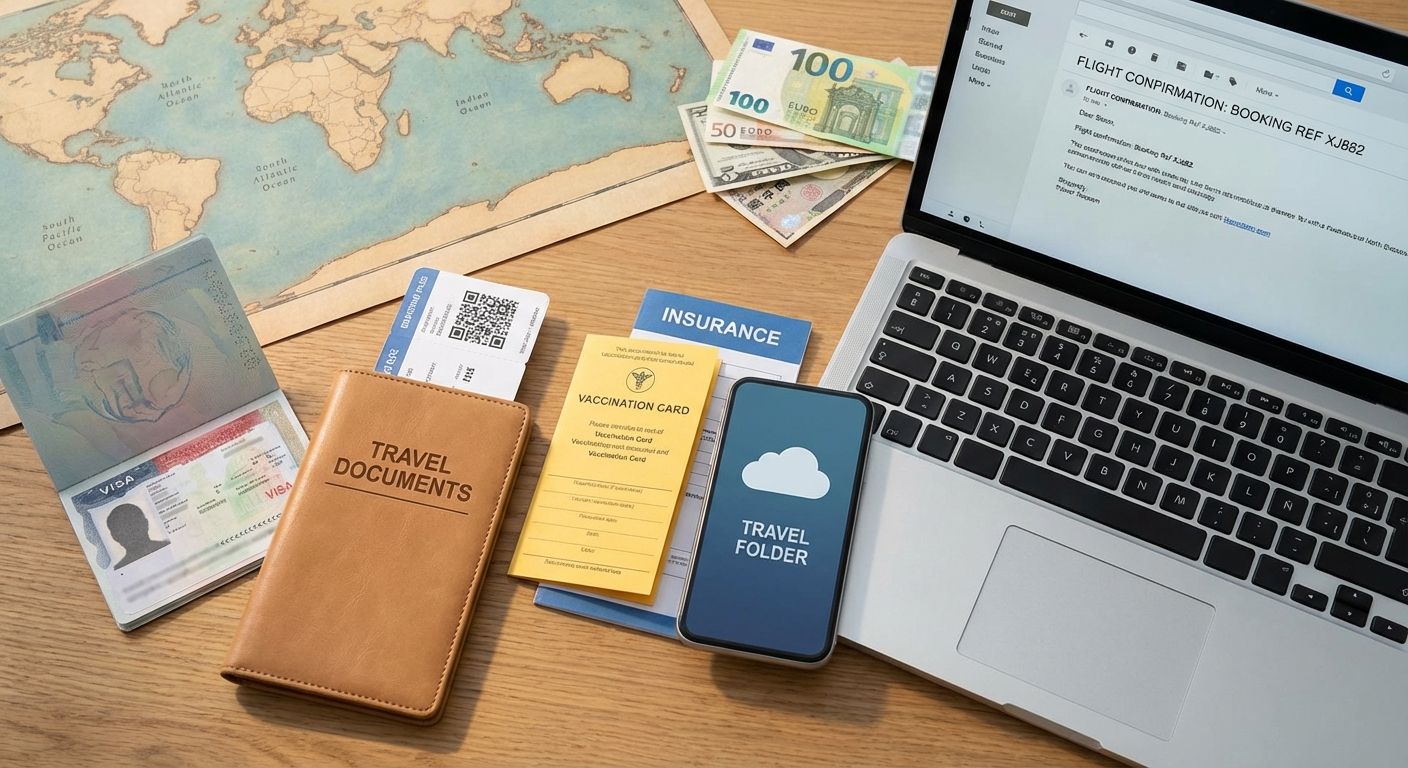
Documentation varies by destination and transport mode, but commonly includes:
- Vaccination records (especially rabies).
- Veterinary health certificate (sometimes called a Certificate of Veterinary Inspection).
- Proof of microchip and registration.
- Import permits for international travel (check the destination’s rules).
For international trips, consult official government sites such as the USDA APHIS Pet Travel or your country’s veterinary authority for the most current requirements. Airlines also publish pet policy pages—review them early.
Transport options: choosing the safest method
Traveling by car
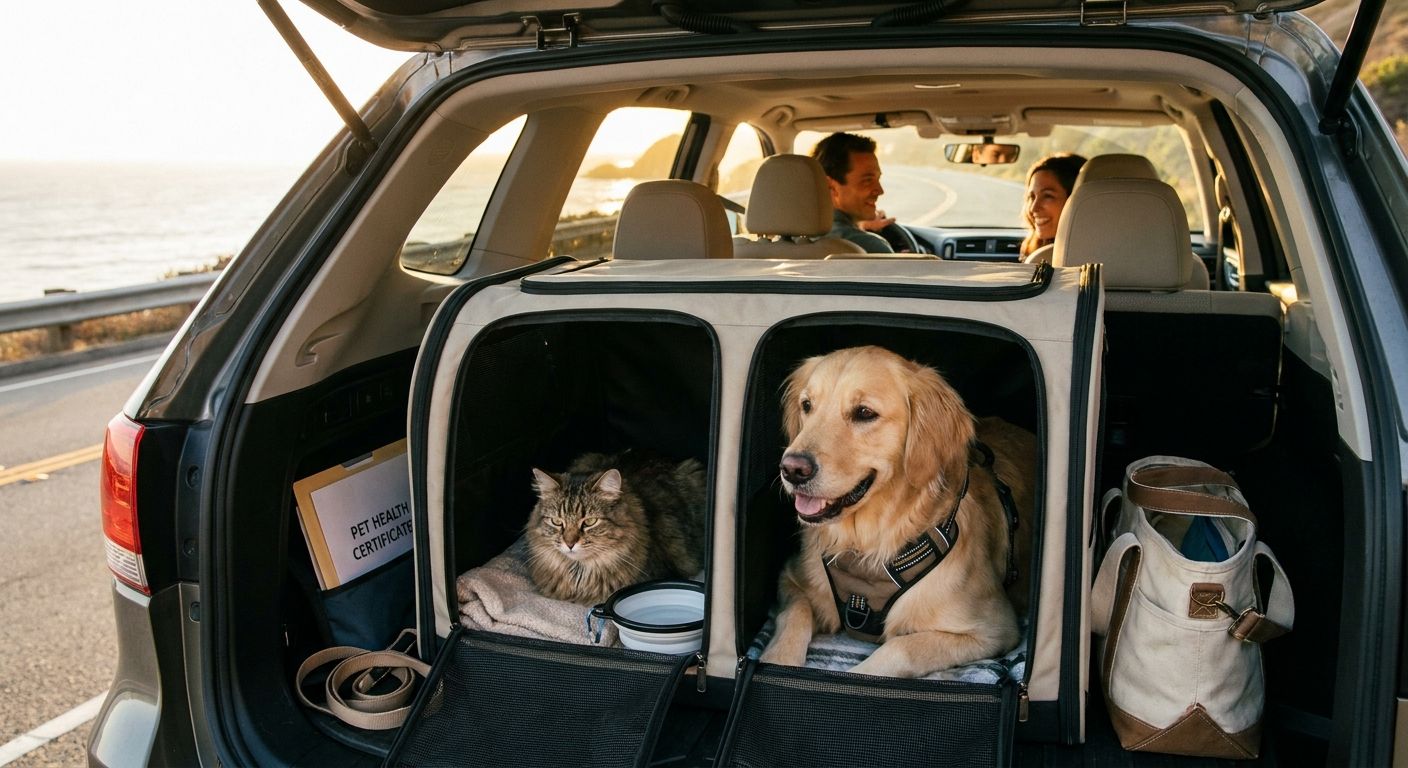
Car trips are often the least stressful option for many pets. Key recommendations:
- Use a secured crate or pet seatbelt to prevent distraction and injury.
- Acclimate your pet to the crate weeks in advance if not already crate-trained.
- Plan frequent stops every 2–3 hours for bathroom breaks, water and short walks.
- Never leave a pet unattended in a parked car—temperatures can become dangerous quickly.
Flying with pets
Flying can be done either in-cabin (small pets) or in the checked/cargo hold (larger animals). When planning an air trip:
- Check airline rules early—each carrier has specific crate dimensions, weight limits and required forms.
- Confirm whether your pet can travel in-cabin or must be checked or transported as manifest cargo.
- Use an IATA-compliant travel crate for checked or cargo transport. See the IATA Live Animals Regulations for crate standards.
- Avoid sedatives unless recommended and prescribed by your vet; sedation can increase the risk of respiratory issues at altitude.
- Label the crate clearly with your contact information and destination address.
Trains, buses and ferries
Public transit rules vary widely. Some regional trains and ferries welcome pets in carriers, while many long-distance buses do not. Always check carrier policies and book pet space ahead if required.
Choosing pet-friendly accommodation
Not all accommodations that advertise “pet-friendly” offer the same amenities. Consider these factors:
- Size and breed restrictions
- Extra fees or deposits
- Availability of pet services (dog walking, pet-sitting, grooming)
- Nearby green spaces for exercise
Ask direct questions when booking and request a quiet room away from elevators or ice machines. Consider vacation rentals when you need space for a crate or when your pet needs a home-like environment.
Packing list: essentials for pet travel
Pack a dedicated bag for your pet with these items:
- Food (enough for the trip plus a small extra) and measured portions
- Water and a portable bowl
- Medications, prescriptions and a copy of the vet’s contact information
- Health records and printed veterinary certificate
- Comfort items: familiar blanket, favorite toy, pheromone spray if used
- Leash, harness, waste bags, litter and portable litter box (for cats)
- Crate/approved carrier with absorbent lining
- Collar with ID tag and microchip details
- First aid kit tailored for pets
Reducing stress and behavior management
Acclimation and training
Start crate training and short car rides well before a long trip. Gradual conditioning makes a huge difference: feed in the crate, reward calm behavior, and practice mock “airport” situations (carrier checks, brief separations).
Calming strategies
- Use natural calming aids like pheromone sprays or anxiety wraps where appropriate.
- Consider behavior consults with a certified trainer or veterinary behaviorist for high-anxiety animals.
- Maintain normal feeding and walking schedules when possible to provide routine.
International travel: extra rules and timelines
International trips introduce import/export regulations, quarantine rules and sometimes multi-step processes. Steps to follow:
- Start research 3–6 months ahead of travel to secure import permits and required tests.
- Check destination government pages and the USDA APHIS or equivalent for country-specific rules.
- Schedule blood tests, rabies titers, or waiting periods as required.
Emergency preparedness and safety
Emergencies can happen. Be ready with:
- Contacts for local emergency veterinary hospitals at your destination
- Copy of medical records and a recent photo of your pet
- Pet first aid kit and knowledge of basic first aid procedures
- Travel insurance that covers pet-related incidents when possible
Use services such as local vet locators or regional veterinary associations’ websites for reliable referrals.
Legal considerations and etiquette
Respect local laws and other people by following leash rules, cleaning up after your pet, and ensuring your animal is well-behaved in public. Some areas require muzzles or have breed-specific rules—research local regulations before arrival.
Sample timeline checklist (8 weeks to departure)
- 8+ weeks: Research destination and carrier rules; start any required long-lead tests for international travel.
- 4–6 weeks: Schedule vet visit; update vaccines and microchip registration; purchase travel crate and start acclimation.
- 2 weeks: Confirm bookings, finalize paperwork, buy pet supplies and pack a trial travel day.
- 48–72 hours: Reconfirm airline and accommodation policies; give a final short acclimation ride; prepare travel documents in a single folder.
Resources and links
Trusted external resources:
- USDA APHIS Pet Travel – import/export rules and forms
- IATA Live Animals Regulations – crate and air transport standards
- American Veterinary Medical Association (AVMA) – pet health guidance
Final tips and travel day checklist
On travel day:
- Feed a light meal several hours before departure to minimize motion sickness.
- Bring an absorbent pad in the crate and a fresh water supply.
- Keep documents and a leash accessible at security or check-in.
- Allow time for bathroom breaks and exercise before long segments of travel.
How to travel with pets well comes down to preparation, patience and respect for your pet’s limits. With the tips above—proper documentation, suitable transport methods, and thoughtful packing—you can enjoy memorable trips without compromising your pet’s well-being. Safe travels!
Author’s note: Above you’ll find a complete guide on how to travel with pets. However, it is always recommended to consult a veterinarian to receive personalized advice and ensure you take the appropriate measures for your pet’s health and safety during the trip.