Types of wine and how to choose is the essential question for anyone starting their wine journey. This guide explains the history of wine, the major wine styles, practical tasting techniques and smart pairing suggestions so you can select the ideal bottle for meals and occasions with more confidence.
Why understanding wine matters?
The world of wine can seem complex, but at its core it’s about grapes, place, and human craft. Whether you’re a curious beginner or an improving enthusiast, learning types of wine and how to choose helps you enjoy wine more, avoid buyers’ regret, and find great matches for food. This article blends history, technical basics and approachable tips to make the subject useful and enjoyable.
The brief history of wine
The story of wine stretches back thousands of years. Archaeological evidence places early winemaking in the Caucasus and Near East around 6000–5000 BCE. Over centuries, wine spread through trade and conquest: to the Mediterranean with the Greeks and Romans, across Europe with monasteries preserving viticulture knowledge, and to the New World after the Age of Discovery.
Why history matters: historical migration shaped grape varieties, regional styles and cultural rituals around wine. Understanding this context helps explain why certain regions produce specific styles—like bold, structured reds from Bordeaux or delicate whites from Alsace—and informs how you choose wine today.
Major types and styles of wine
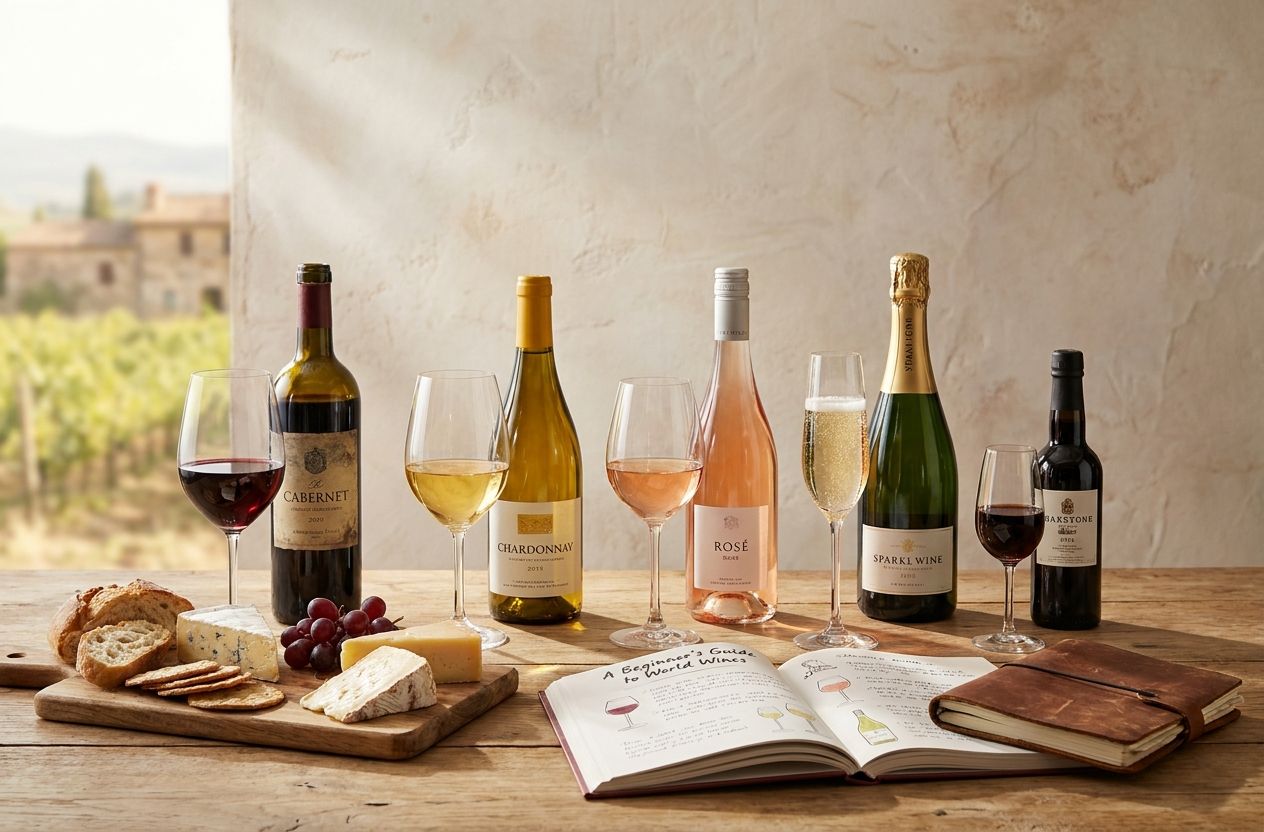
Wines are commonly classified by color, sweetness, and production style. Below are the main categories you will encounter:
Red wine
- Characteristics: tannins, darker fruit flavors (blackberry, cherry), body from light to full.
- Common varieties: Cabernet Sauvignon, Merlot, Pinot Noir, Syrah/Shiraz, Malbec.
- Typical uses: pairs well with red meats, tomato-based dishes, and aged cheeses.
White wine
- Characteristics: higher acidity, lighter fruit notes (apple, citrus, stone fruit), can be unoaked or oak-aged.
- Common varieties: Chardonnay, Sauvignon Blanc, Riesling, Pinot Grigio/Pinot Gris.
- Typical uses: pairs well with seafood, poultry, salads, and soft cheeses.
Rosé
Rosé sits between red and white: made from red grapes with limited skin contact. It ranges from dry to slightly sweet and is prized for its freshness and versatility—great with light meals, tapas, and warm-weather gatherings.
Sparkling wine
Sparkling wines contain dissolved carbon dioxide. Styles include Champagne, Prosecco and Cava. They can be bone-dry or sweeter (e.g., demi-sec). Sparkling wine is ideal for celebrations and surprisingly versatile for food pairing—try oysters, fried foods, or creamy desserts.
Fortified wine
Fortified wines have distilled spirit added: think Port, Sherry, Madeira, and Marsala. These often have higher alcohol and concentrated flavors, and are excellent as dessert wines or for complex savory pairings.
Understanding grape varieties and terroir
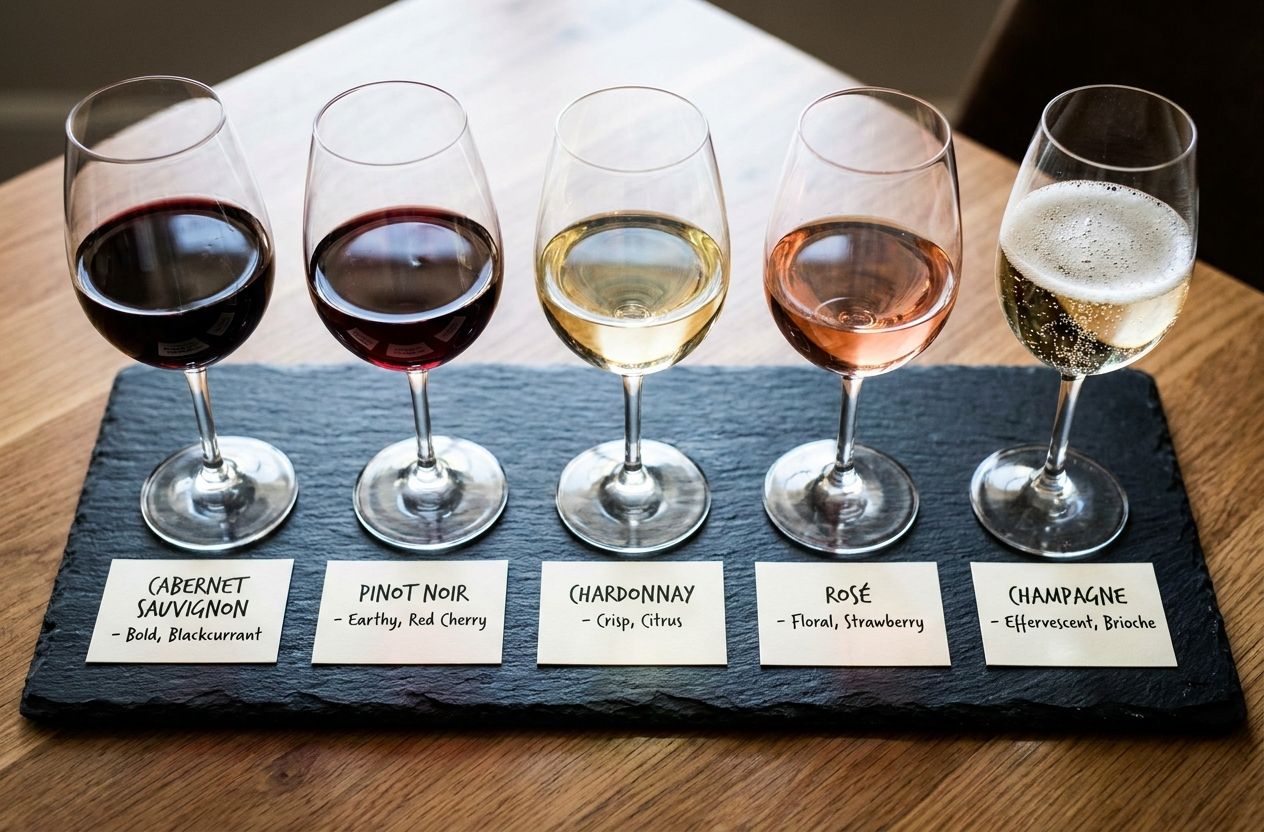
Two key ideas shape a wine’s identity: grape variety (the cultivar) and terroir (the environmental factors like soil, climate, and topography). For example, Pinot Noir tends to express delicate red fruit and earthiness and thrives in cooler climates; while Cabernet Sauvignon often develops bold black fruit and strong tannins in warmer regions.
Knowing basic grape personalities helps you choose: if you like bright acidity and citrus, lean toward Sauvignon Blanc or Riesling; if you prefer structured, tannic wines, explore Cabernet Sauvignon or Nebbiolo.
A beginner’s tasting guide: how to taste wine like a pro
Learning how to taste improves your ability to choose wine. Follow these steps:
- Look: Observe color and clarity. Younger red wines tend to be more purple; older red wines often show brick tones.
- Swirl: Aerating the wine releases aromas.
- Smell: Identify fruit, floral, spice, oak and earth notes. The nose often reveals more than the taste.
- Taste: Notice sweetness, acidity, body, tannin and finish. Think about balance—no single element should overpower the rest.
- Describe: Use simple descriptors at first (fruity, dry, tannic, acidic) then expand vocabulary as you practice.
Practice with a small tasting flight: compare a light-bodied red (Pinot Noir) with a medium-bodied (Merlot) and a full-bodied (Cabernet Sauvignon) to feel differences in body and tannin.
How to choose wine for different occasions
Selecting wine depends on the occasion, budget, and the food being served. Here are practical rules:
- Casual meals: Choose versatile wines—rosé, unoaked Chardonnay, or a medium-bodied red like Merlot.
- Formal dinners: Match intensity: rich dishes demand fuller-bodied wines; delicate dishes call for lighter wines.
- Celebrations: Sparkling wines like Champagne or Prosecco create a festive atmosphere.
- Gifts: Consider region and vintage reputation—well-known appellations or highly rated bottles are safe choices.
Choosing wine by price
You don’t need an expensive bottle to enjoy wine. Many regions produce excellent value wines. Focus on grapes and regions known for consistency—e.g., Spanish Tempranillo, Chilean Cabernet, Portuguese Douro alternatives to Port, or Greek whites for budget-friendly whites.
Food and wine pairing basics
Pairing is both art and practical science. Key principles:
- Match intensity: Light food with light wine, rich food with fuller wine.
- Complement or contrast: A buttery dish complements an oaked Chardonnay; a high-acid Sauvignon Blanc contrasts fatty foods to refresh the palate.
- Consider sweetness and salt: Sweet wines pair well with spicy dishes; salty foods often elevate fruity wines.
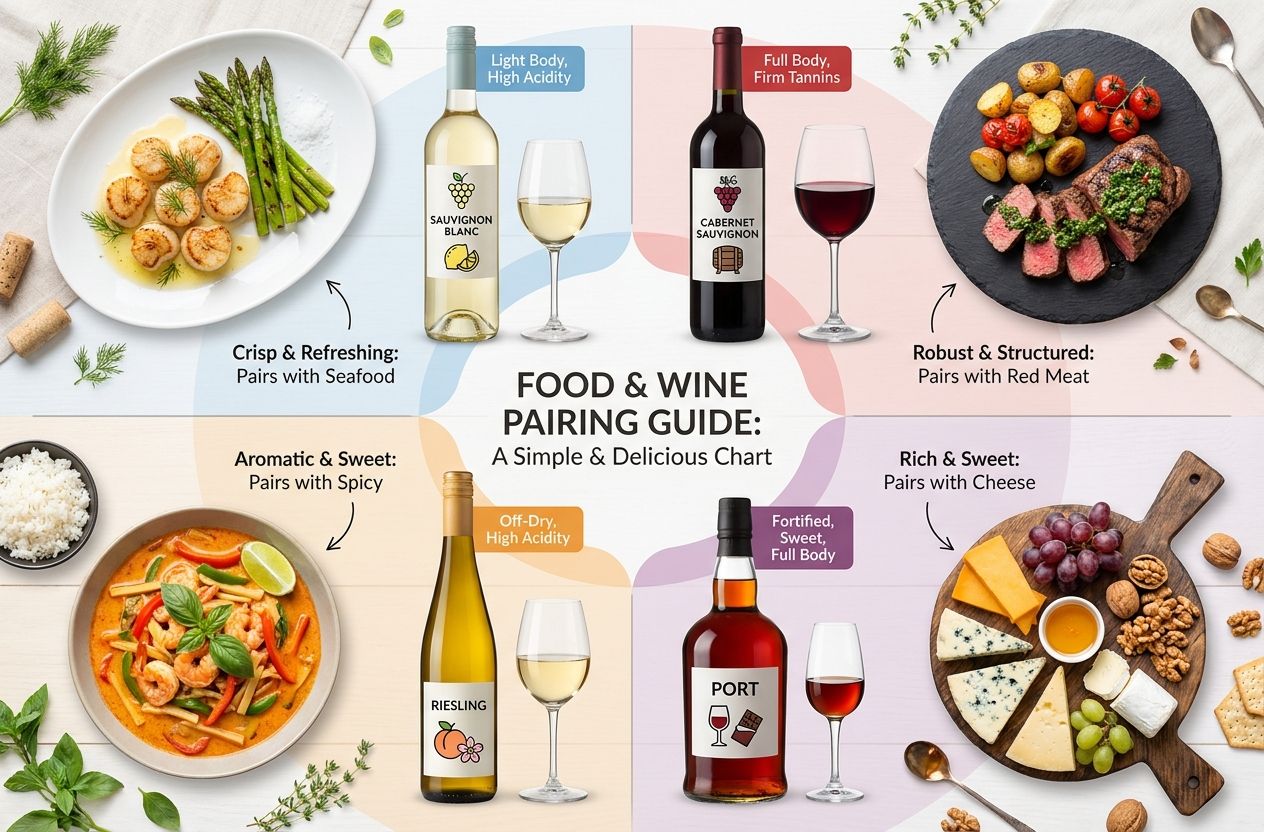
Easy pairing suggestions:
- Seafood & white wine (Sauvignon Blanc, Albariño)
- Steak & robust red (Cabernet Sauvignon, Malbec)
- Spicy Asian dishes & slightly sweet Riesling
- Cheese boards & mixed selection: soft cheeses with Chardonnay, blue cheeses with Port
Practical tips for buying and storing wine
Smart buying and storing keep wine enjoyable:
- Buy from reputable sellers and read labels—look for vintage, region, and producer.
- Understand vintages: some years are better in certain regions due to weather.
- Storage: keep wine on its side in a cool, dark place with stable temperature; avoid strong vibrations.
- Serving temperature: Reds slightly below room temperature (15–18°C / 59–64°F), whites and rosés chilled (7–12°C / 45–54°F), sparkling wines colder (5–8°C / 41–46°F).
Common mistakes and how to avoid them
Avoid these pitfalls:
- Assuming price equals quality: many affordable bottles offer high pleasure.
- Over-chilling reds: it mutes flavors—remove from fridge 20–30 minutes before serving.
- Ignoring pairing basics: a bold wine can overpower delicate food.
Learning resources and next steps
To grow your wine knowledge, explore reputable sources and structured learning:
- Wine Folly — visual guides and grape profiles.
- Encyclopaedia Britannica — historical and scientific background.
- Decanter — news and tasting notes.
Quick reference: types of wine and how to choose (cheat sheet)
- If you like light, crisp flavors: choose Sauvignon Blanc, Albariño, Pinot Grigio.
- If you prefer fruity red wines: try Merlot, Grenache, Barbera.
- If you enjoy robust, tannic reds: look for Cabernet Sauvignon, Syrah, Nebbiolo.
- For celebrations: sparkling wines like Champagne or Cava.
- For dessert: fortified wines like Port or late-harvest Riesling.
Conclusion
Understanding types of wine and how to choose is a journey that combines history, geography, sensory practice and personal preference. Start with approachable bottles, practice tasting, and use pairing principles to enhance your meals. Over time, you’ll develop preferences and the confidence to select wines for any occasion. Cheers to discovery and enjoyment—one glass at a time.
Author’s notes: Wine enjoyment is subjective—use these guidelines as a starting point and trust your palate.