
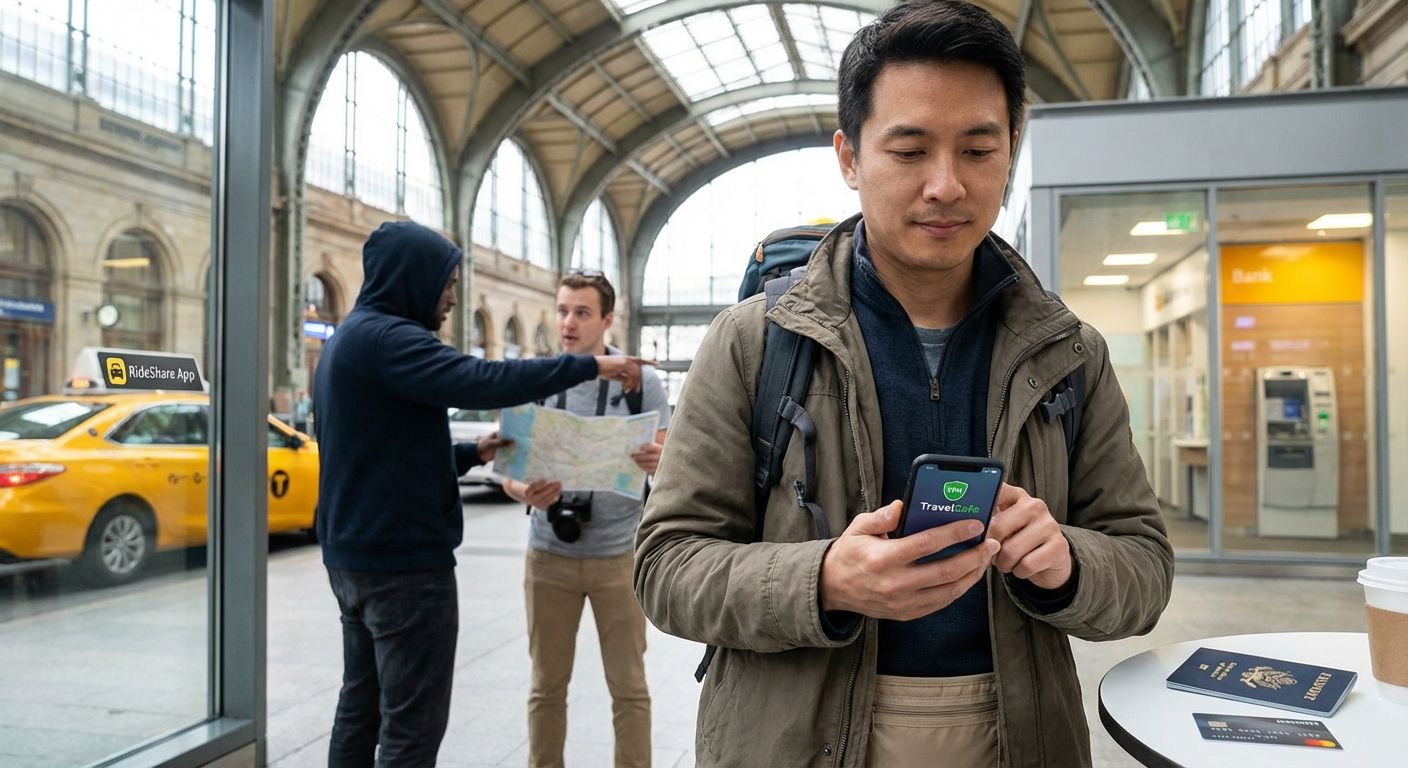
To avoid travel scams, you need preparation, awareness and a few simple habits that make you a harder target. This guide explains the most common scams travelers encounter and provides concrete, practical steps to protect your money, documents and personal safety on every trip.
Why learning to avoid travel scams matters
Travel should be exciting, not stressful. Yet scams and frauds can turn a great trip into a nightmare—lost money, stolen identity, or even safety risks. Understanding how scammers operate gives you the power to reduce risk. Whether you are a tourist, a business traveler, or planning a family vacation, these strategies help you travel with more confidence.
Common scam categories and how they work
Recognizing patterns is the first defense. Below are recurring scam types and the typical signs of each.
1. Booking and reservation scams
- Fake rental listings: Fraudsters copy photos and descriptions from legitimate properties to create bogus listings on marketplaces. They often pressure you to pay off-platform or wire money.
- Phony hotel/agent websites: Slight misspellings in URLs or very low prices are red flags.
- How to avoid: Always book on reputable platforms or the official hotel site, check reviews across multiple sites, verify hosts via platform messaging, and use credit cards that offer fraud protection.
2. ATM and card fraud
- Card skimming: Devices attached to ATMs or POS terminals copy card data. Sometimes a scammer uses a small camera to capture your PIN.
- Cloned cards and unauthorized charges
- How to avoid: Use ATMs inside banks or well-lit, secure locations, cover your PIN, use contactless payments when possible, enable transaction alerts, and carry a backup card stored separately.
3. Distraction and bump-and-grab theft
In crowded areas scammers create distractions (a spill, a staged argument, or a dropped ring) while an accomplice takes your belongings. Keep valuables out of easy reach and maintain awareness in busy tourist sites.
4. Fake police and authority impersonation
Scammers may pose as police or officials asking to inspect your passport or demanding fines. Authorities rarely ask for cash or to hold documents indefinitely.
5. Overcharging and currency scams
- Unclear exchange rates or switched bills at markets and taxis.
- Taxi scams: Drivers refusing meters, taking longer routes, or quoting inflated fares.
- How to avoid: Agree fares in advance or insist on the meter, use official taxi apps, and check exchange rates before accepting note changes.
6. Wi‑Fi and online/mobile scams
Public Wi‑Fi networks can be used to intercept logins or install malware. Scammers also send convincing phishing emails or fake service alerts to trick you into disclosing passwords or payment details.
Practical, step-by-step prevention checklist
Adopt these habits before and during travel to significantly reduce your risk.
Before you go
- Research the destination: Read travel advisories (e.g., U.S. Department of State, UK Foreign Travel Advice) and local news to understand common scams and safety issues.
- Use trusted booking channels: Prefer major platforms or verified listings. Cross-check host names and photos.
- Register with your embassy or consulate if available; they can provide updates and assistance.
- Copy important documents: Keep digital and physical copies of passport, visas, insurance and credit cards (store separately from originals).
- Set up mobile banking alerts and enable two-factor authentication for email and accounts.
- Buy travel insurance that covers theft, fraud and emergency assistance.
Packing smart
- Carry a money belt or hidden pouch for passports and emergency cash.
- Bring RFID-blocking sleeves if you’re concerned about electronic skimming.
- Pack a low‑value credit card and a minimal amount of local currency for first-day expenses.
At the airport and transit
- Be cautious of people offering help with luggage or forms. Politely refuse if you didn’t ask for help.
- Use official transport desks inside terminals or reputable ride‑hailing apps; verify license plates and driver details before getting into a vehicle.
- Keep passports and boarding passes in a secure, easily accessible place for inspections.
On the ground: daily safety habits
- Stay aware in crowds. Keep bags in front, zippers closed, and phones out of easy reach.
- Limit displays of wealth like expensive jewelry or cameras; attract less attention.
- Decline unsolicited offers—if something feels high-pressure or too-good-to-be-true, walk away.
- Use a VPN on public Wi‑Fi and prefer cellular data for sensitive transactions.
Dealing with specific scam scenarios
Fake rental or booking discovered on arrival
Immediate steps: contact the platform and your bank, document all messages and screenshots, and seek alternative accommodation via verified sources. If you paid by card, request a chargeback. If you wired money, report to local police and to your home country’s fraud bureau.
ATM or card compromised
Immediately contact your card issuer to block the card and dispute charges. Report the ATM location to the bank that operates it. Keep transaction alerts on so you can act fast.
Encounter with fake police
Ask for official identification and refuse to hand over originals. Offer to accompany them to the nearest police station. If you feel threatened, call your embassy or emergency services and create distance.
Digital safety: prevent online and Wi‑Fi scams
- Don’t connect to open networks that don’t require a password; if you must, use a reputable VPN.
- Confirm Wi‑Fi network names with staff at your hotel or café to avoid fake access points.
- Ignore suspicious emails requesting login or payment information; verify by contacting the company directly through official channels.
What to do if you’re scammed
- Stay calm and document—save messages, photos and receipts.
- Contact local police and get a report; many insurers and banks require an official report for claims.
- Notify your bank or card issuer immediately to block cards and dispute charges.
- Contact your embassy/consulate if you’ve lost your passport or need assistance.
- Report fraud online to consumer protection agencies and the platform where the scam occurred.
Tools and resources
- U.S. Department of State — travel advisories and safety info
- UK Foreign Travel Advice
- INTERPOL and local police portals for reporting
Quick reference: travel scam prevention checklist
- Before departure: research, register with embassy, insure, enable alerts.
- At arrival: verify bookings, use official transport, secure cash/cards.
- Daily: stay aware, use secure Wi‑Fi, avoid flashing valuables.
- If scammed: document, report to police, contact bank and embassy.
Final thoughts
To avoid travel scams you don’t need to be paranoid — just prepared. Most scams prey on distraction, urgency and unfamiliarity. By researching your destination, using trusted services, protecting your finances and staying alert, you can drastically lower your risk and enjoy your trip with greater confidence. Safe travels!