Types of beer and how to choose are the focus of this practical guide that blends history, style profiles and actionable advice so you can pick the perfect beer for any occasion. Whether you’re a beginner or an experienced enthusiast, this article will help you understand beer culture, taste with confidence and pair like a pro.
Why understanding beer matters?
Beer is one of the world’s oldest and most diverse beverages. From simple farmhouse ales to bold imperial stouts and tart sour ales, the variety can be overwhelming. This guide breaks down the essentials: the historical roots of brewing, the main beer types and styles, how to taste effectively, and practical tips for choosing and pairing beers with food.
1. A brief history of beer
Beer has ancient origins, with evidence of fermented grain beverages dating back over 7,000 years. Early brews were practical and communal — a source of calories and safe hydration. Over centuries, brewing techniques evolved across civilizations:
- Ancient and medieval brewing: Sumerians, Egyptians and Europeans refined basic brewing methods and used local grains and wild yeast.
- Monastic and commercial era: Medieval monasteries in Europe preserved and improved beer quality. By the Renaissance, beer was both a household staple and a traded commodity.
- Industrial Revolution: Advances in science (like identifying yeast) and technology (steam power, refrigeration) standardized production and enabled lagers to spread globally.
- Craft beer movement: Late 20th-century homebrewers and small breweries reintroduced experimental styles, hop-forward IPAs, and a renewed focus on quality and variety.
For deeper reading on brewing history, see the Brewers Association and Smithsonian resources: Brewers Association, Smithsonian Magazine.
2. Basic ingredients and the brewing process
Understanding ingredients clarifies why beers taste different. The four fundamentals are:
- Water: The largest component — mineral content affects mouthfeel and hop perception.
- Malt: Barley (and other grains) provide sugars for fermentation and flavor (bread, caramel, chocolate).
- Hops: Add bitterness, aroma and act as natural preservatives; varieties range from floral and citrusy to resinous and piney.
- Yeast: Drives fermentation and contributes esters and phenols — key in differentiating ales and lagers.
Typical stages: mashing (convert starches to sugars), lautering, boiling (with hops), fermentation, conditioning, packaging.
3. How beers are categorized: Ales vs Lagers
The first broad divide is fermentation temperature and yeast type:
- Ales: Top-fermenting yeast at warmer temperatures; often fruitier and more complex (examples: IPA, stout, saison).
- Lagers: Bottom-fermenting yeast at cooler temperatures; typically cleaner, crisper profiles (examples: pilsner, bock, helles).
4. Key beer styles and what to expect
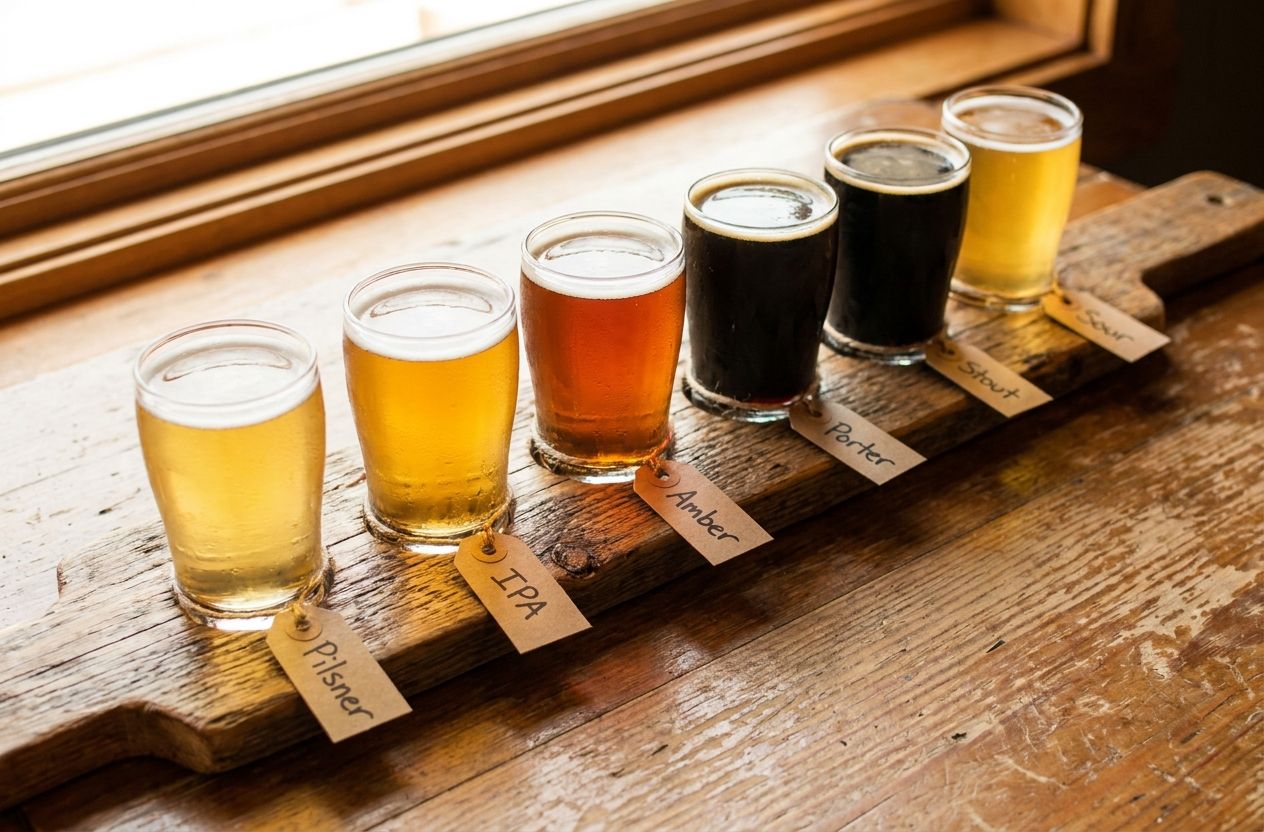
Below are common styles with flavor notes, typical ABV ranges, and pairing ideas. Use these as a quick reference when choosing a beer.
Pilsner
Profile: Light, crisp, floral or spicy hop character. ABV: 4–5.5%.
Pairing: Shellfish, salads, light cheeses.
Pale Ale & IPA
Profile: Hop-forward, citrus, pine or tropical fruit notes; bitterness varies. ABV: 4.5–7% (Pale Ale), 5.5–7.5%+ (IPA).
Pairing: Grilled meats, spicy food, burgers — IPAs cut through fat and complement bold flavors.
Amber/Red Ale
Profile: Balanced malt sweetness with caramel notes. ABV: 4.5–6.5%.
Pairing: Roasted meats, stews, sharper cheeses.
Brown Ale
Profile: Nutty, toasty, mild caramel. ABV: 4–6%.
Pairing: Pork, grilled vegetables, chocolate desserts.
Porter & Stout
Profile: Roasted, coffee, chocolate; stouts can be dry (Irish) or rich (imperial). ABV: 4–12% depending on style.
Pairing: Oysters (Irish stout), barbeque, chocolate-based desserts.
Wheat Beers (Hefeweizen, Witbier)
Profile: Soft mouthfeel, banana/clove (Hefeweizen) or citrus/coriander (Witbier). ABV: 4–6%.
Pairing: Salads, seafood, ham, light cheeses.
Saison
Profile: Farmhouse ale, peppery, fruity, effervescent. ABV: 5–8%.
Pairing: Spicy and herb-driven dishes, roasted chicken, charcuterie.
Sour Beers & Lambics
Profile: Tart, fruity, funky; ranges from mildly sour to intensely acidic. ABV: 3–8%.
Pairing: Fatty fish, rich cheeses, fruit desserts — acidity cuts richness.
Bock & Strong Ales
Profile: Malty, toasty, sometimes sweet. ABV: 6–12% (strong bocks and barleywines higher).
Pairing: Hearty stews, roasted root vegetables, aged cheeses.
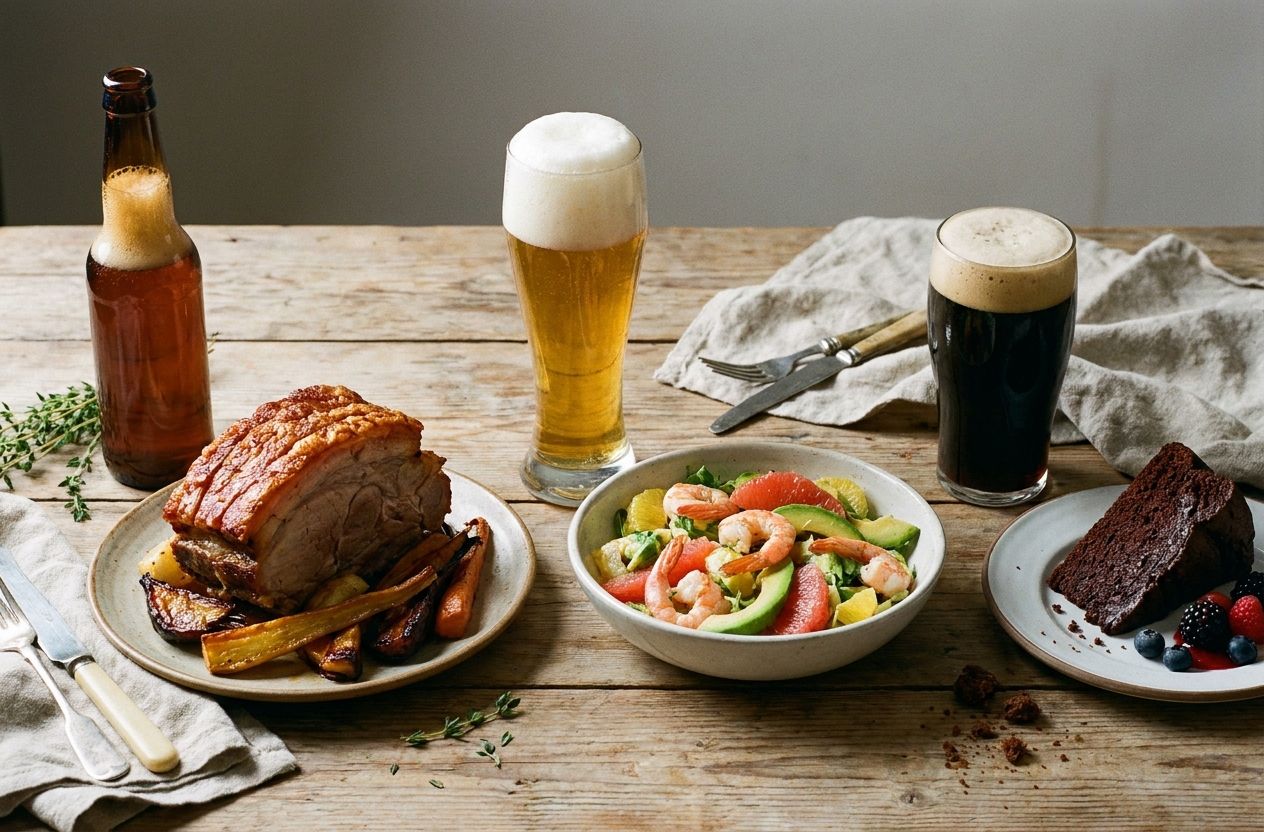
5. Tasting beer like a pro
Good tasting technique helps you identify styles and preferences. Follow a simple routine:
- Glassware: Use a clean glass that concentrates aroma (tulip, pint, snifter depending on style).
- Pour: Tilt the glass at 45° and pour to create a modest head; note color and clarity.
- Aroma: Swirl gently and inhale — identify hops, malt, yeast esters, and any off-notes.
- First sip: Assess sweetness, bitterness, acidity, carbonation and alcohol warmth.
- Body & finish: Note mouthfeel and how the flavors change after swallowing.
Keep a tasting notebook or use apps to track beers you like and why. Over time you’ll learn which flavor profiles you prefer.
6. How to choose beer for different occasions
Match beer to context and company. Consider these quick rules:
- Social gatherings / BBQ: Crisp pilsners, session IPAs, amber ales — crowd-pleasing and food-friendly.
- Formal dinner: Pair beers with courses (lighter beers with starters, fuller-bodied with mains, dessert beers with sweets).
- Casual sipping: Stout, porter or a Belgian dubbel for contemplative tasting.
- Hot weather: Low-ABV lagers and wheat beers for refreshment.
- Cold nights: Strong ales, barleywines and bocks for warmth and richness.
7. Basic pairing principles
Pairing beer with food can follow two principal strategies:
- Complement: Match similar flavor intensities — a malty amber with roasted meat.
- Contrast: Use acidity, carbonation or bitterness to cut through richness — a tart sour with creamy cheese, or an IPA with fatty food.
Other useful tips: match weight (light beers with light dishes), consider regional pairings (German beers with German cuisine), and balance sweetness with bitterness or acidity.
8. Practical tips for buying, storing and serving
- Read labels: Look for style, ABV, IBU (bitterness), and freshness date.
- Freshness: Hoppy beers (IPAs) are best fresh; bottle-conditioned and sour beers age well in many cases.
- Storage: Keep beer upright in a cool, dark place. Refrigerate hop-forward beers to preserve aroma.
- Serving temperature: Lagers 3–7°C (37–45°F); ales 7–12°C (45–54°F); strong ales slightly warmer to reveal aromas.
9. Common mistakes to avoid
- Avoid judging a beer by appearance or style alone — taste first.
- Don’t over-chill flavorful ales; cold masks aroma.
- Avoid letting IPAs sit exposed to warm temperatures; hops degrade quickly.
10. Next steps for beginners
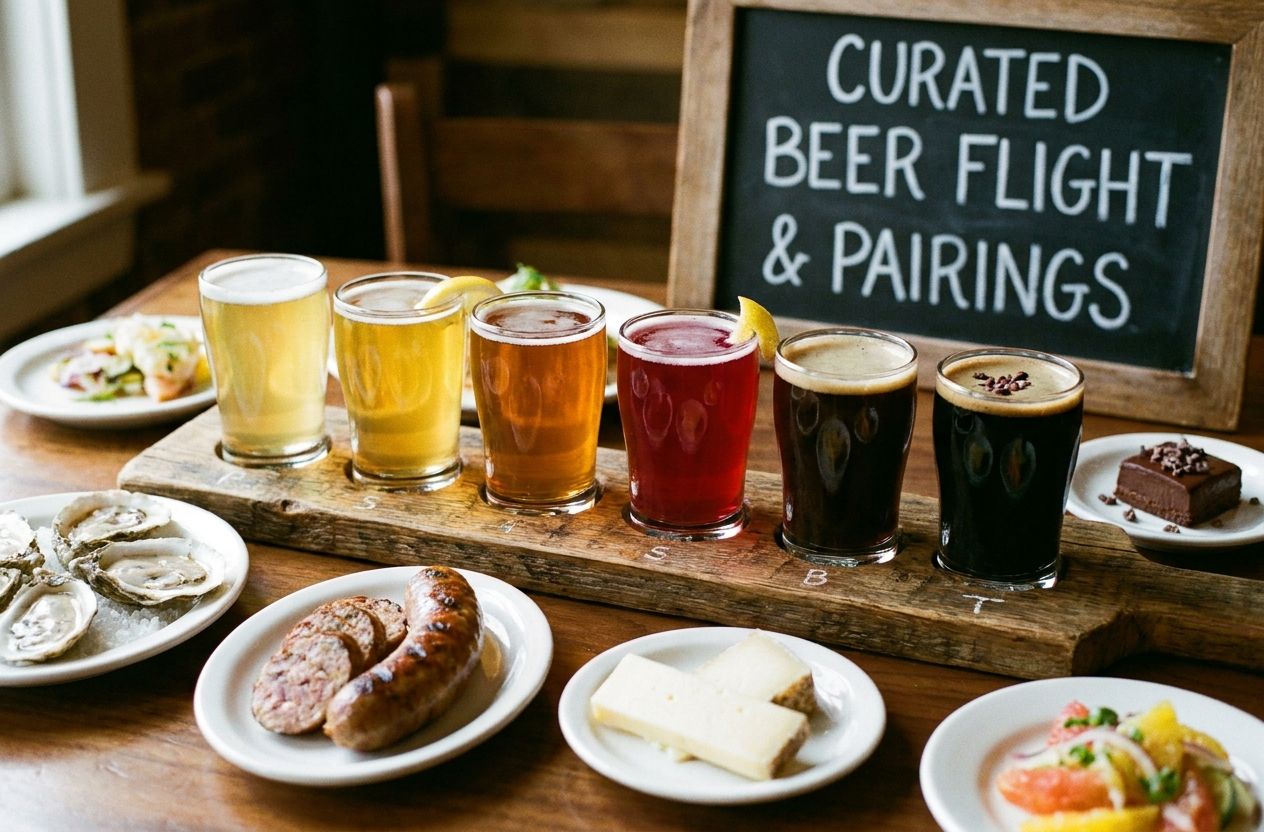
Explore intentionally: build a small tasting flight with 4–6 different styles, attend brewery tours, try pairing the same beer with several dishes, and keep notes. Join online communities, local tasting groups or follow authoritative resources such as the Brewers Association or CraftBeer.com to deepen knowledge.
Conclusion
Understanding the types of beer and how to choose starts with learning history, ingredients and basic style profiles. Use tasting techniques and pairing principles to refine your preferences. With practice, selecting a beer becomes intuitive — transforming drinking into a richer cultural and culinary experience.
Enjoy responsibly and keep exploring: beer is a world with endless variety and moments to savor.