
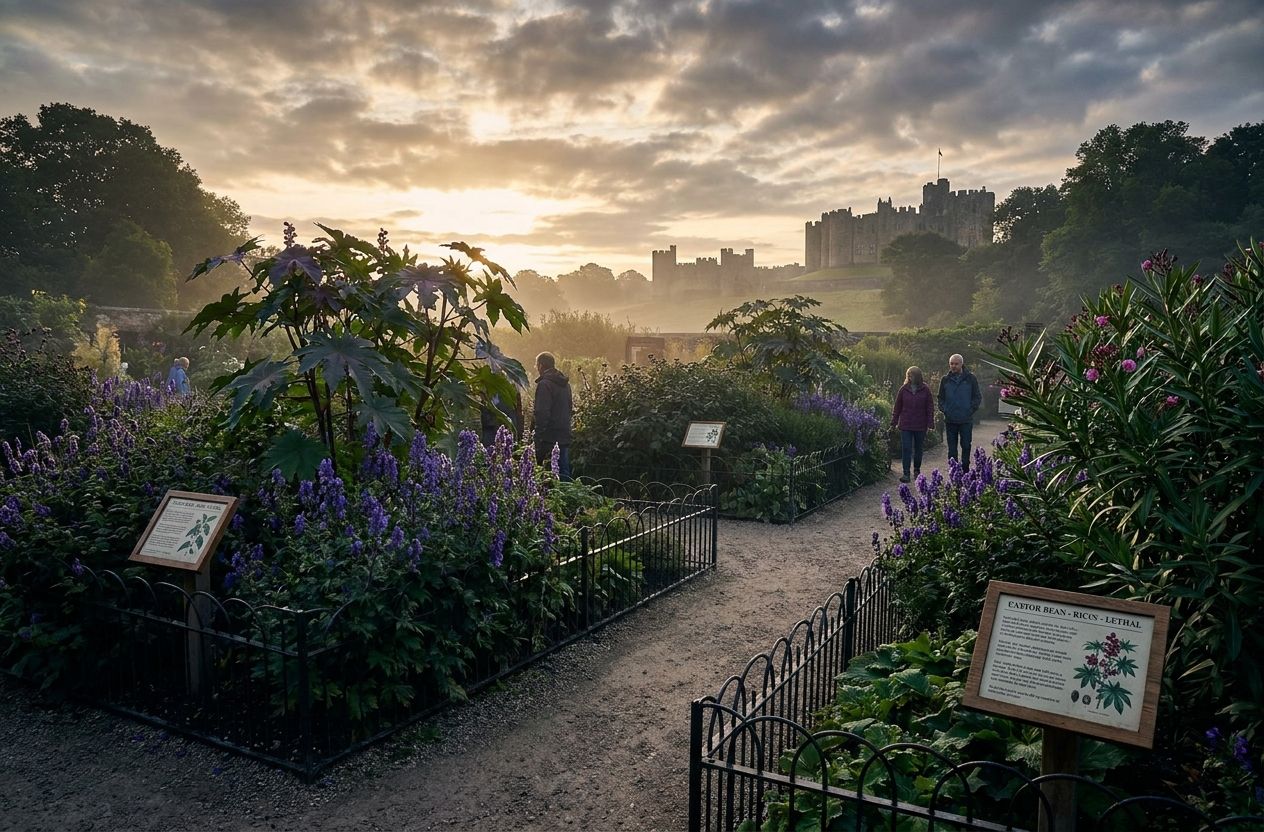
The poison garden at Alnwick Castle is a distinctive and dramatic botanical attraction that draws curious visitors from around the world. Conceived as a living exhibition of toxic and medicinal plants, this garden combines horticulture, history and the darker side of plant chemistry to create an experience that is both educational and spine-tingling.
A Garden of Beauty and Danger
The poison garden at Alnwick Castle began with a bold idea: to assemble plants with potent toxic or psychoactive properties in one controlled space, encouraging public engagement with the complex relationship between humans and toxic flora. Located within the grounds of Alnwick Castle in Northumberland, England, the garden is part botanical museum, part historical exhibit and part living laboratory for understanding how plants have influenced medicine, crime and culture.
History and Origins
The modern Poison Garden was opened to the public as part of Alnwick Garden, a large formal garden redevelopment initiated in the early 21st century by the Duchess of Northumberland. While the castle’s grounds have a long horticultural history dating back centuries, the concept of a dedicated toxic-plant collection is relatively recent and inspired by historical ‘physic gardens’—collections established to grow medicinal herbs. This new twist focused deliberately on the often-overlooked and misunderstood role of poisonous plants in human history.
Key milestones:
- Establishment of Alnwick Garden redevelopment: early 2000s.
- Opening of the Poison Garden as a curated attraction to educate the public about toxic plants and their risks.
- Integration with guided tours, interpretive panels, and safety measures to allow visitors to learn without danger.
What to Expect on a Visit
Visitors to the poison garden should expect a carefully managed experience. Access is typically controlled via guided tours or supervised entry to ensure safety and to provide context. Plant labels highlight botanical names, common names, chemical constituents and historical uses or misuses.
Typical features of a visit include:
- Guided explanations of toxic compounds like alkaloids, glycosides and cardiac poisons.
- Historical anecdotes linking plants to medicine, assassination and folklore.
- Displays that juxtapose ornamental beauty with lethal potential.
Notable and Dangerous Plants in the Garden
Alnwick’s Poison Garden houses a variety of plants, each chosen for its historical significance, potency and ability to provoke curiosity. Below are some of the most notable specimens you might encounter:
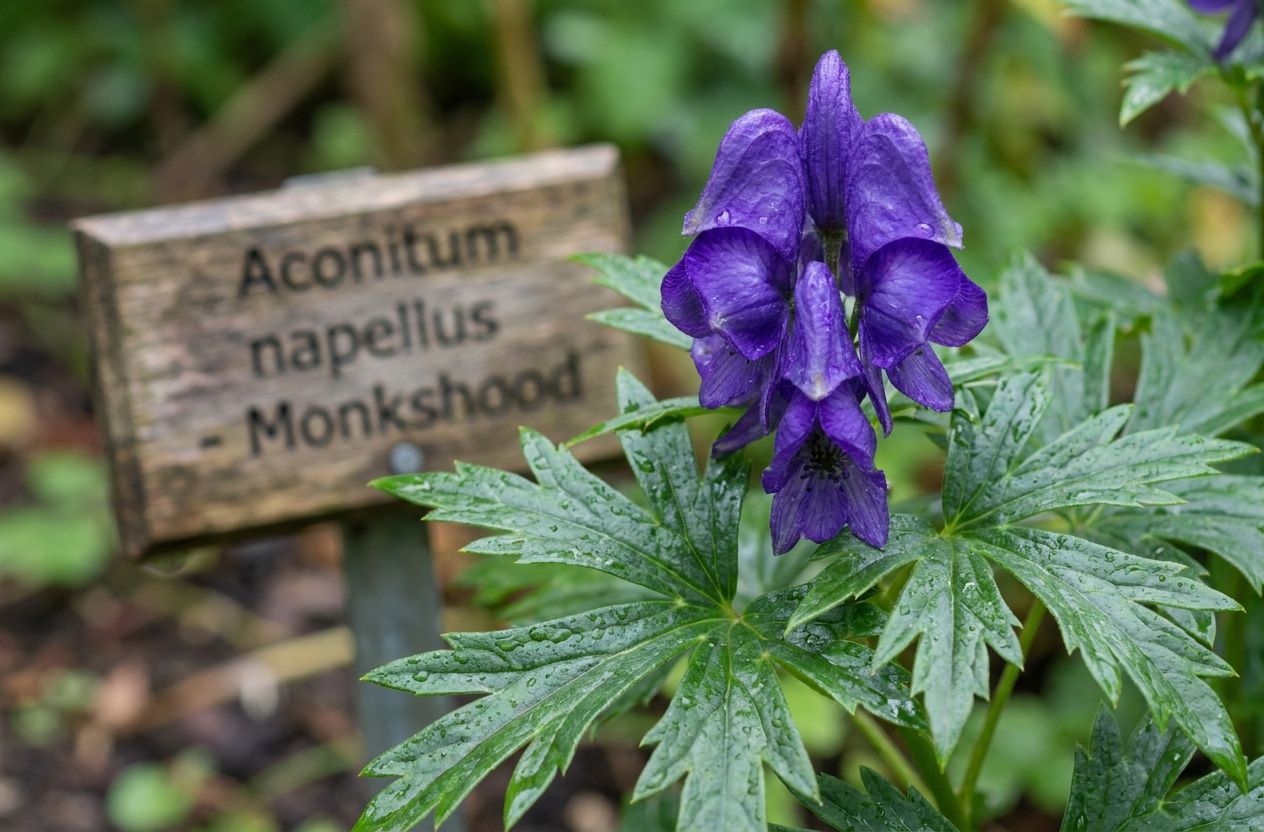
Aconitum napellus (Monkshood or Aconite)
Why it’s dangerous: Contains aconitine, a potent neurotoxin that can cause cardiac and respiratory failure.
Historical context: Used historically as a poison on arrows and in political assassinations; also referenced in folklore and literature.
Conium maculatum (Poison Hemlock)
Why it’s dangerous: Coniine and related alkaloids disrupt the nervous system and have caused fatal poisonings, most famously that of Socrates in ancient Greece.
Identification tips: Tall umbrella-like flower clusters (umbels) and a smooth, hollow stem with purple spotting.
Nerium oleander (Oleander)
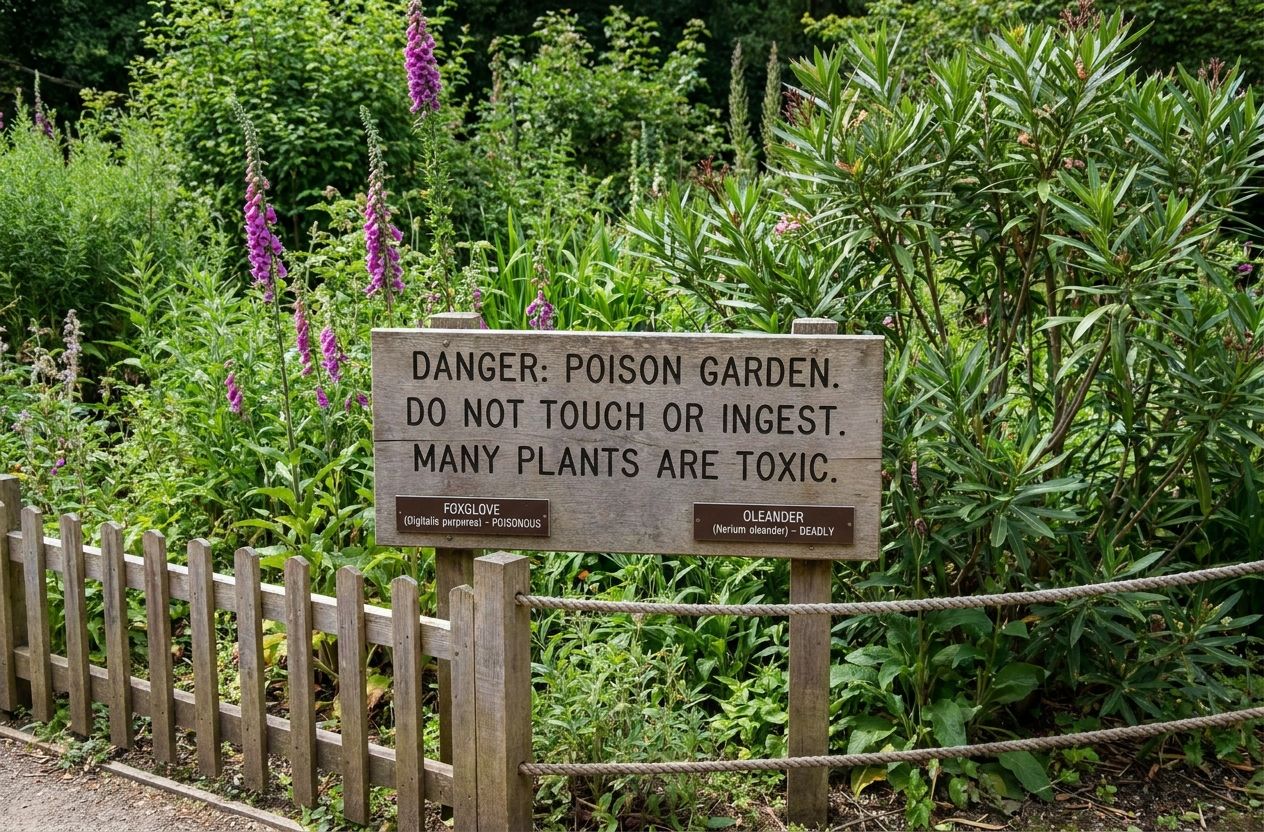
Why it’s dangerous: All parts of oleander contain cardiac glycosides; ingestion can lead to severe cardiac arrhythmias.
Common risks: Often grown as an ornamental plant; accidental ingestion by children or animals is a frequent hazard.
Atropa belladonna (Deadly Nightshade)
Why it’s dangerous: Contains tropane alkaloids (atropine, scopolamine, hyoscyamine) that cause hallucinations, rapid heartbeat, and potentially fatal respiratory failure.
Cultural notes: Historically used in cosmetics, witchcraft and medicine; its berries are deceptively attractive.
Ricinus communis (Castor Bean)
Why it’s dangerous: Seeds contain ricin, an extremely potent toxin that inhibits cellular protein synthesis and can be lethal even in small doses.
Modern relevance: Ricin has featured in criminal and terrorist plots, increasing public awareness of this otherwise ornamental plant.
Digitalis spp. (Foxglove)
Why it’s dangerous: Source of cardiac glycosides like digoxin, which can be therapeutic in controlled doses but deadly if misused.
Medicinal duality: An excellent example of how toxic plants can become lifesaving medicines when carefully dosed.
Safety Measures and Visitor Policies
Because the garden contains plants that can harm or kill, Alnwick Garden enforces strict safety protocols. These typically include:
- Guided access or supervised entry only.
- Clear signage and labels identifying dangerous plants and advising no touching or tasting.
- Limited handling even for educational demonstrations, with protective equipment when necessary.
- Interpretive staff who explain risks and historical uses in a controlled manner.
Such precautions balance public curiosity with public health, allowing visitors to engage with the material safely and meaningfully.
Why the Poison Garden Fascinates Visitors
The poison garden taps into several strong human interests and emotions:
- Curiosity about danger: People are naturally drawn to things that feel forbidden or risky.
- Historical intrigue: Stories of poisons, assassinations and medicinal breakthroughs create compelling narratives.
- Visual paradox: Many toxic plants are beautiful—showy flowers and glossy leaves—making the juxtaposition emotionally and intellectually engaging.
- Educational value: The garden demystifies toxicology and botany, offering lessons in safety, pharmacology and ecology.
Practical Tips for Visitors
Make the most of your visit to the Poison Garden with these practical suggestions:
- Book guided tours in advance, especially during peak tourist season.
- Bring a camera, but respect signage—no touching or tasting plants.
- Read interpretive panels and ask staff about plant histories and chemical properties.
- Combine your visit with a tour of Alnwick Castle and the wider Alnwick Garden to get historical and horticultural context. See the castle’s official site for visitor information: Alnwick Castle.
Broader Context: Poison Gardens Around the World
Alnwick’s Poison Garden is among the most famous, but the concept of specialized toxic-plant collections appears in other botanical institutions and historical physic gardens. These sites function as both warning and education, demonstrating how societies have used plants as medicine, ritual substances and weapons.
For further reading on the garden’s history and plants see the Wikipedia entry: Alnwick Poison Garden (Wikipedia), and for botanical perspectives consult the Royal Horticultural Society: RHS.
Curiosities and Lesser-Known Facts
- Medicinal paradox: Several plants in the garden are sources of modern pharmaceuticals when used in controlled doses (e.g., foxglove).
- Literary associations: Many toxic plants feature in myths, fairy tales and literature—nightshade and hemlock frequently appear in historical narratives.
- Ecological roles: Toxicity often evolves as a defense against herbivores; many of these plants support specialized insect communities.
Why the Poison Garden Is a Must-See
For tourists, history lovers, gardeners and botany enthusiasts, the Poison Garden at Alnwick Castle offers a rare, thought-provoking experience. It blends horticulture, history and toxicology while prioritizing safety and interpretation. Whether you’re drawn by the lore of poisons or the science behind plant defense and medicine, the garden delivers layered perspectives that are both educational and emotionally resonant.

Final Thoughts
The poison garden is more than a collection of dangerous plants: it is a narrative space where beauty, danger and human ingenuity intersect. Carefully curated and responsibly managed, the garden invites visitors to confront the dual nature of plants—as healers and killers—and to leave with a deeper appreciation for the complexity of the botanical world.
Plan your visit with caution, curiosity and respect, and you’ll find the Poison Garden of Alnwick Castle an unforgettable highlight of any trip to England’s storied Northumbrian landscape.